.svg)
%201.webp)
Pod and Capsule Hyperbaric Chambers for Sale
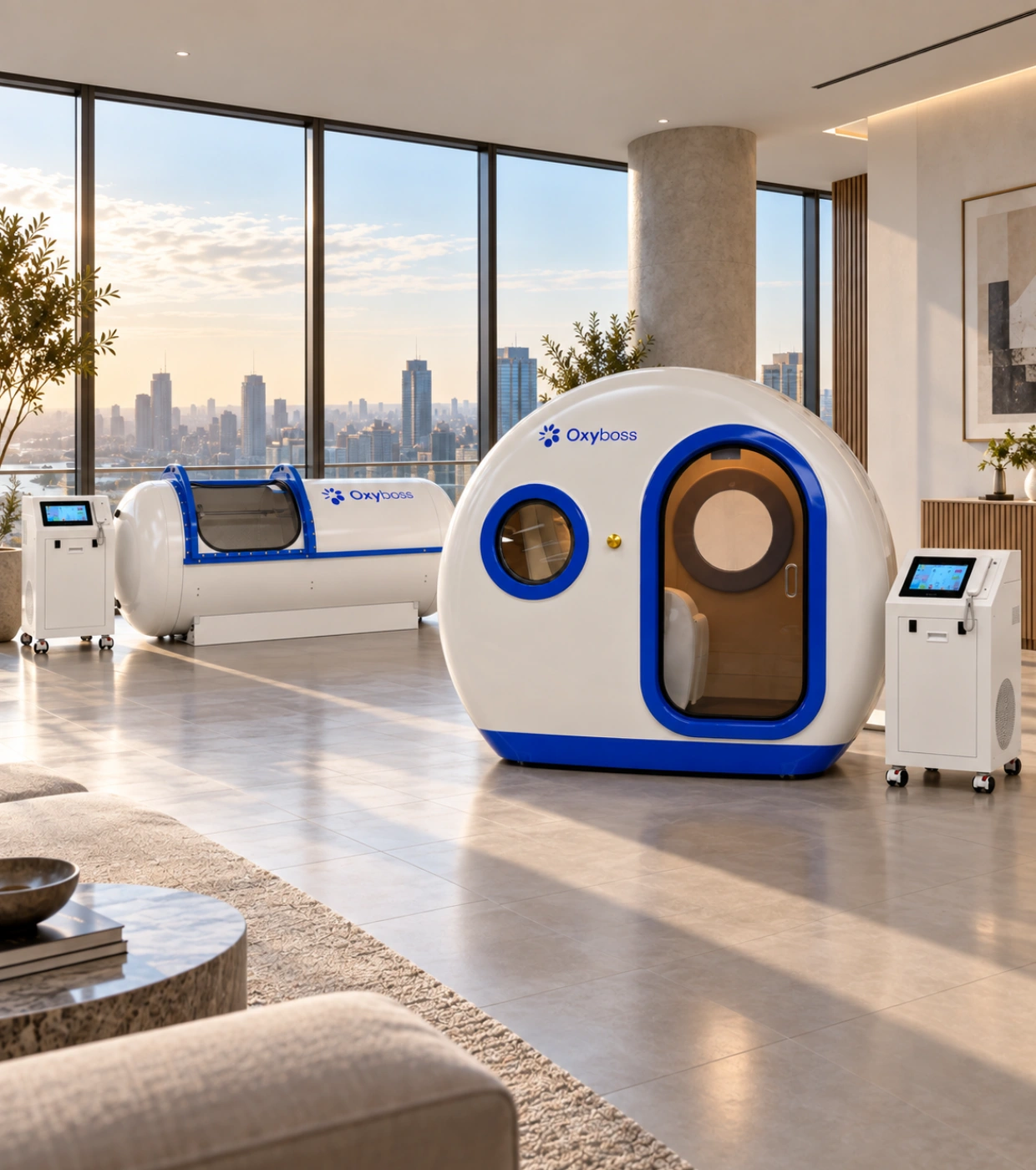
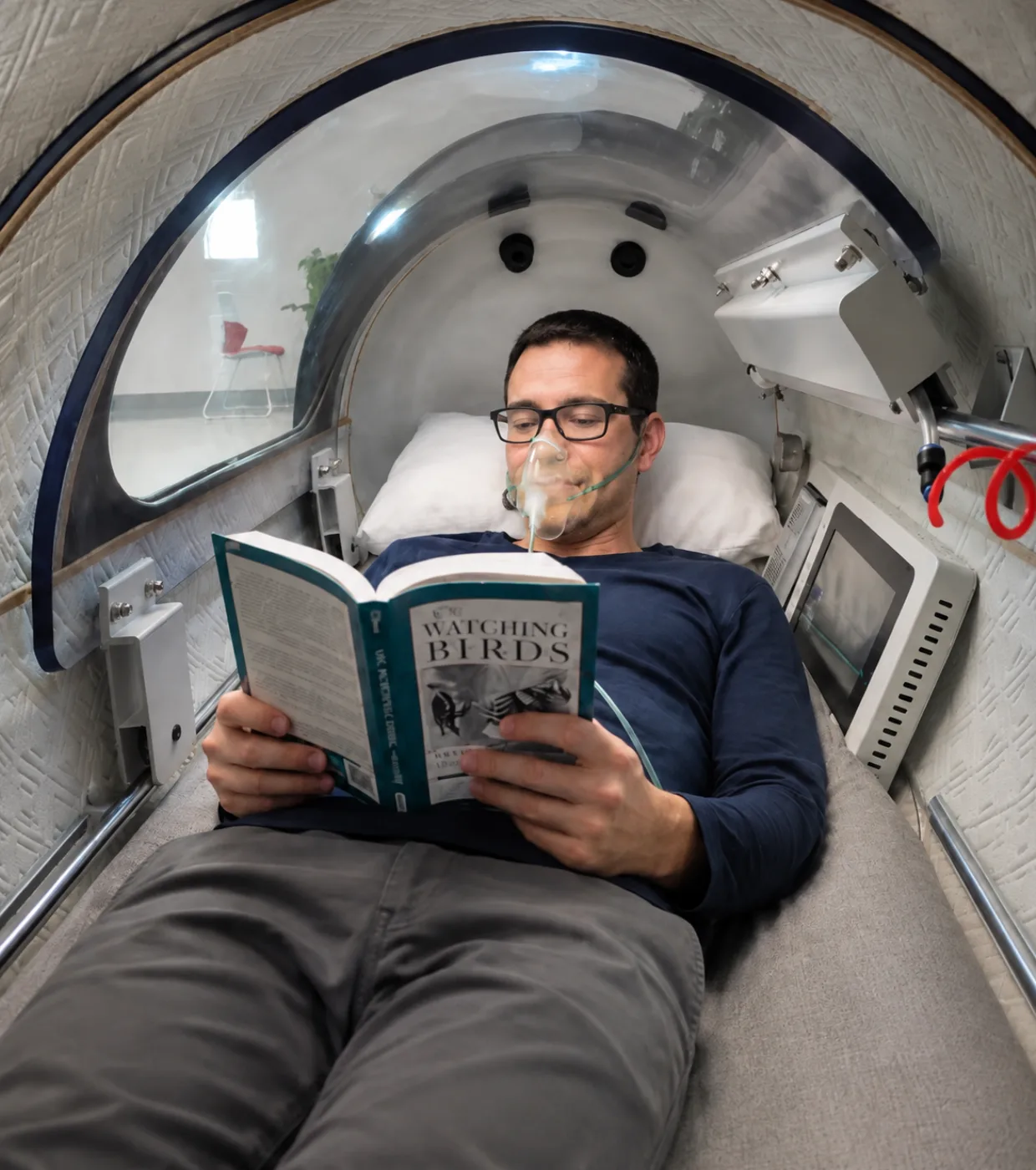
Hyperbaric Chamber Pods & Capsules for Wellness, Recovery, and Business
One product line. Every pressure level you actually need.
Finding the right hyperbaric chamber pod can feel overwhelming — soft or hard shell, lying or sitting, 1.3 or 2.0 ATA, separate compressor or built-in oxygen. Most buyers tell us they spent weeks comparing specs across multiple vendors before reaching out.
Oxyboss simplifies that. We manufacture both soft-shell portable pods and hard-shell pressurized capsules, all sharing the same modular 3-in-1 oxygen source architecture. Whether you run a recovery studio that sees 8 clients a day, or you want a compact unit for personal use at home, we build the chamber — and the oxygen system — in one facility, under one quality standard.
Our range covers 1.5 ATA soft chambers (18–24 kg, sets up in minutes) through 2.0 ATA aluminum-alloy hard-shell capsules and dual-seat cylinders (300–500 kg, engineered to ASME PVHO-1 design principles). Every unit ships fully assembled and factory-tested, with DDP door-to-door delivery worldwide — customs, duties, and clearance fees included.
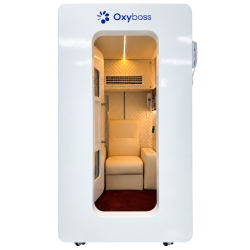
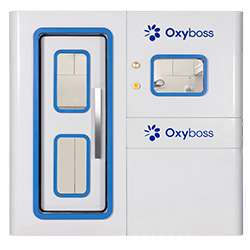
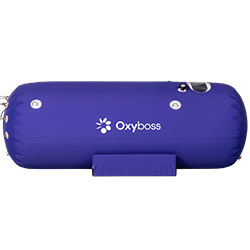
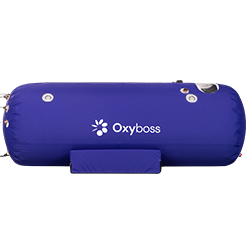
Hard-Shell Hyperbaric Oxygen Capsules — Aluminum Alloy, up to 2.0 ATA
Rigid aluminum-alloy capsules designed for higher pressure and heavier daily use. The enclosed capsule form factor reduces ambient noise to about 45–48 dB(A) inside the chamber, and provides a stable, controlled environment for longer sessions.
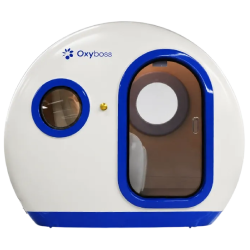
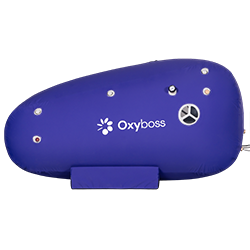
Soft Hyperbaric Chamber Pods — Portable, 1.5 ATA
Lightweight, inflatable chambers made from medical-grade TPU. They fold flat for storage, weigh between 18–24 kg, and reach full operating pressure in about 10–12 minutes. A good fit for home wellness routines, mobile practitioners, and businesses that need to move equipment between rooms or locations.
Adjustable pressure from 1.1 to 2.0 ATA — verified before shipping.
Every hard-shell chamber ships after 5–7 consecutive days of factory run-testing. Pressure hold, leak check, oxygen concentration verification (sensor reads within 93% ± 3%), compressor and AC function test, and dual-screen sync test — all completed and documented before the unit leaves Shenzhen. Soft chambers undergo 3 days of testing. The pressure range is not a theoretical spec; it is the tested operating window.
Under 60 dB(A) at 1 meter — and about 45–48 dB(A) inside the chamber.
The 3-in-1 oxygen source unit runs at ≤60 dB(A) measured at 1 meter distance. Inside the hard chamber, ambient noise drops to approximately 45–48 dB(A) — roughly the level of a quiet library. Sessions typically run 60–90 minutes; noise level matters more than most spec sheets acknowledge.
.webp)
Plug-and-play setup — no electrician, no contractor.
All chambers include:
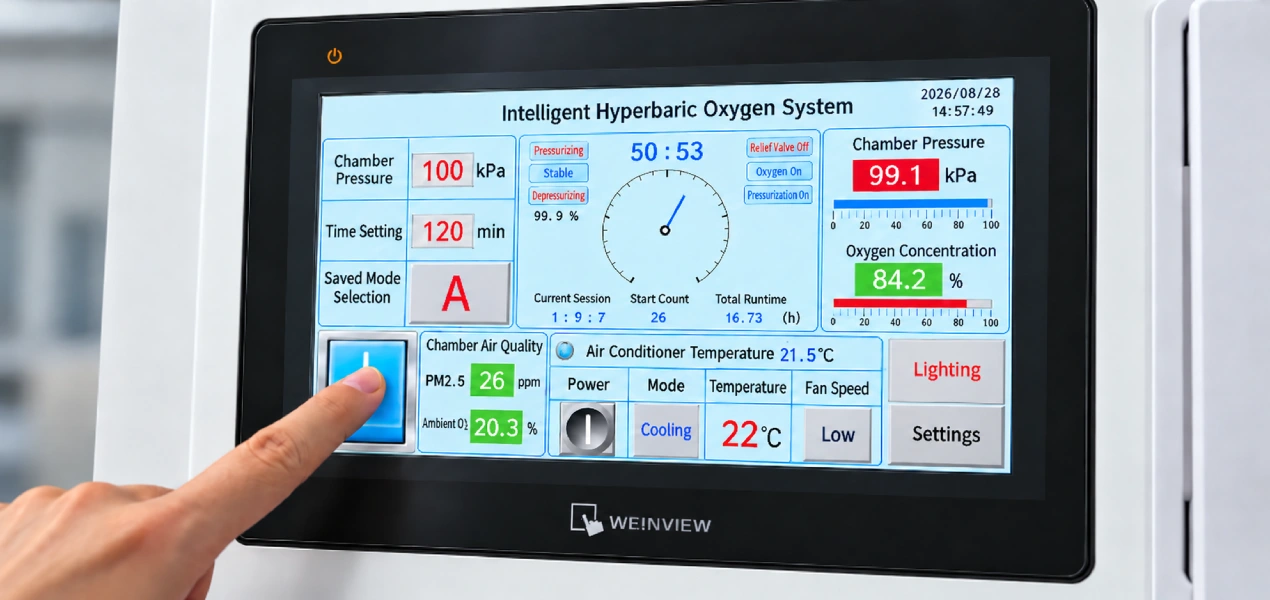
Chambers ship fully pre-assembled from the factory. On arrival, you connect the chamber body to the 3-in-1 main unit using the included plug-and-play cabling, run the touch-screen self-check, and begin operation. Standard household power — 110V, 220V, or 240V — works out of the box. Our data from deployments across 20+ countries shows most operators complete setup within 30–60 minutes of uncrating. Under approximately 5A working current, we recommend a 10A breaker with residual current protection, but no dedicated circuit rewiring is needed.
Modular repair — replace the part, not the machine.
Every major component in the 3-in-1 oxygen source is individually replaceable. If the compressor module develops an issue in year four, you swap that module — you don't ship the entire unit back. Replacement parts ship by air, typically within 3–5 days of fault confirmation. After warranty, parts remain available at factory cost.
3-in-1 Integrated Oxygen Source
In a typical capsule hyperbaric chamber setup, you buy the chamber, then separately source an air compressor, an oxygen concentrator, and sometimes a cooling unit. Three vendors, three warranties, three points of failure. Oxyboss builds all three into one 930 × 450 × 920 mm unit (130 kg). Here's what that solves:
.svg)
10L oxygen concentrator built in — no external tanks or bottles.
The system draws from ambient room air and concentrates it to 90% ± 3% oxygen at 10 L/min flow (20 L/min on the dual-seat OB-D201). You never need to source, store, or refill oxygen tanks. The chamber pressurizes with compressed air; high-concentration oxygen is delivered through a mask or nasal cannula directly to the user — it does not flood the chamber interior. This is an important safety distinction that many product pages fail to mention.

Built-in air conditioning — comfortable 60–90 minute sessions.
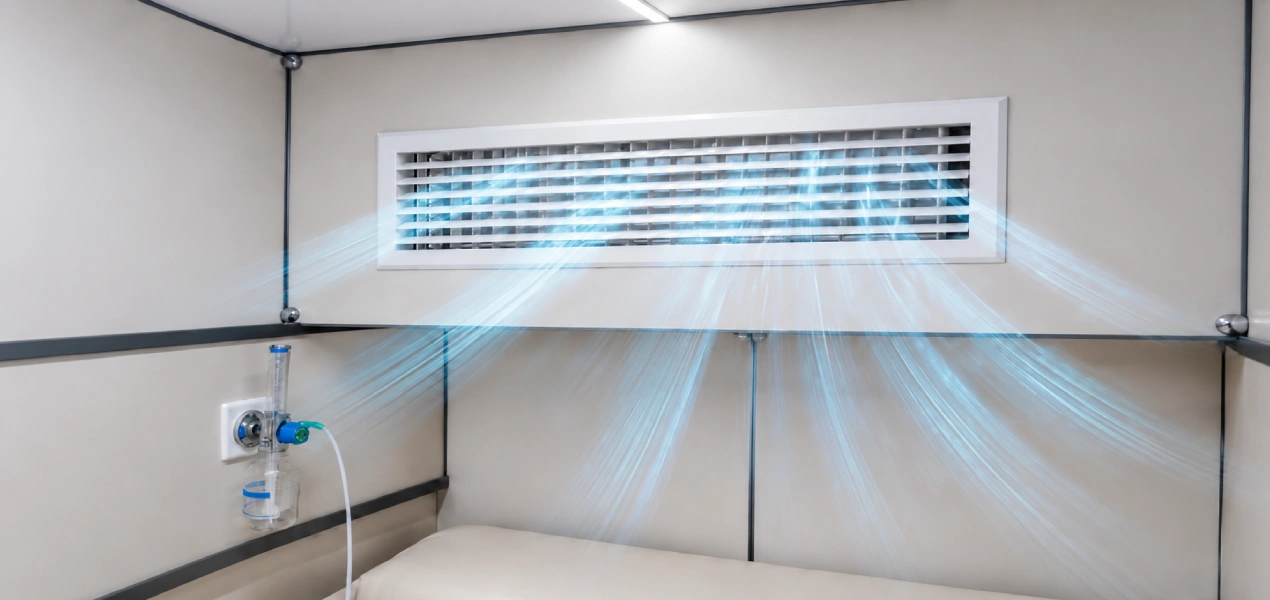
Pressurized environments generate heat. Without active cooling, interior temperature rises noticeably within 20 minutes. Our integrated AC keeps the chamber at a comfortable operating temperature through the full session. This is standard on all hard-shell models and makes a real difference for user compliance — especially in commercial settings where back-to-back sessions are common.

Pressurization speed
Times vary slightly by chamber volume. The soft pods (smaller internal volume) reach 1.5 ATA in about 10 minutes. Larger hard-shell units take 20–25 minutes to reach 2.0 ATA. We publish these numbers because session scheduling in a commercial environment depends on actual cycle time, not just peak pressure.
Fully modular architecture — every component is individually serviceable.
The concentrator, compressor, and AC are separate modules within the same housing. If one component needs service, you replace that module — not the entire oxygen source. Plug-and-play cabling means reconnection takes minutes. Average consumable costs: air filter kit ~$50 per 500–1,000 operating hours; door seal ~$150 per 2 years; molecular sieve ~$600 per 5,000–8,000 operating hours.
Soft Chambers — Medical-Grade TPU
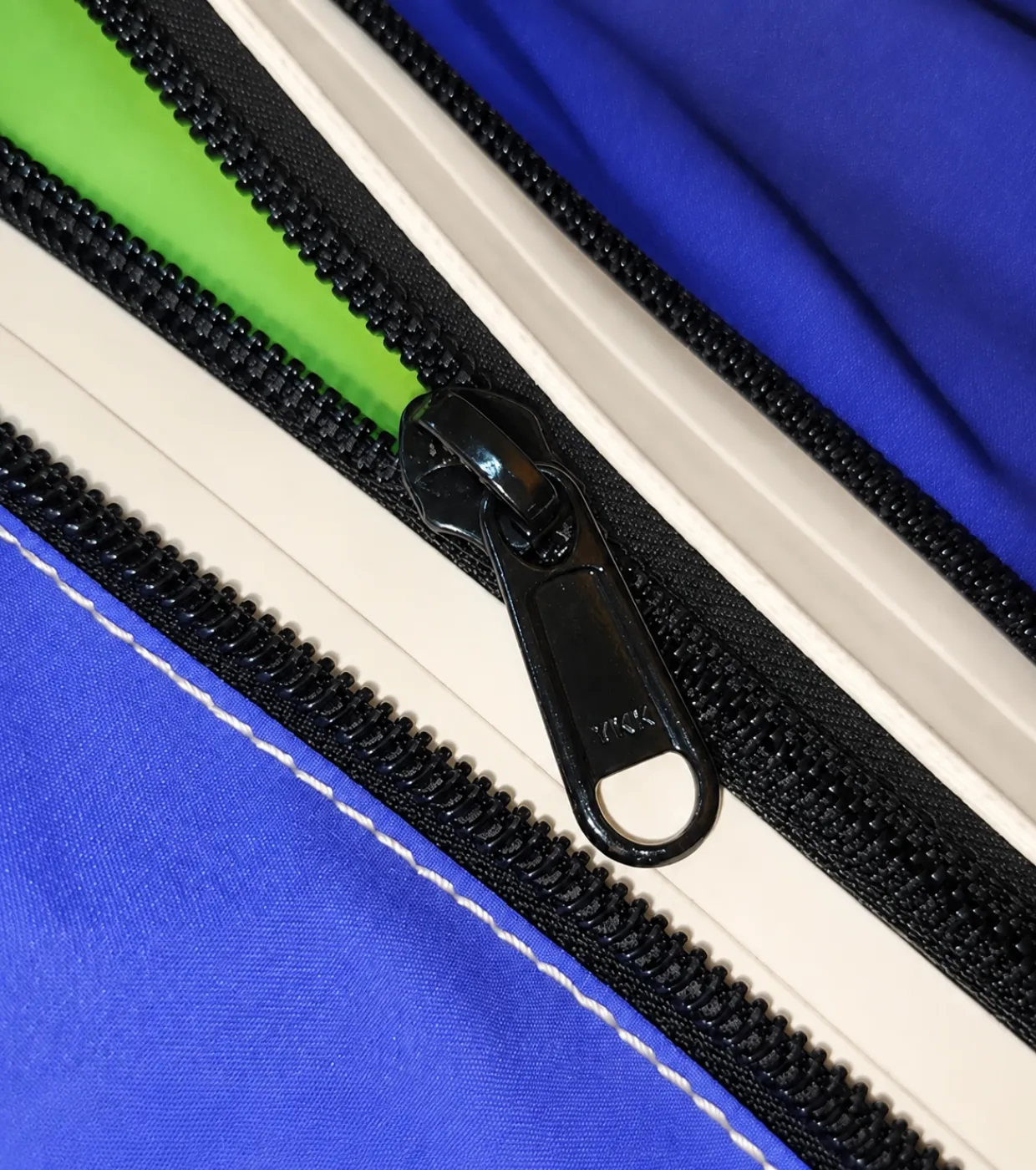
Our soft pods (OB-S15T, OB-S158, OB-S159) use medical-grade thermoplastic polyurethane (TPU). It's the same class of material used in inflatable medical-grade products — flexible, airtight, and resistant to repeated pressurization cycles.
- Best for: Home personal use, mobile practitioners, businesses that need portability.
- Lifespan: Approximately 3–5 years for the chamber body with proper maintenance.
- Maintenance: Monthly visual check for air leaks. TPU, zippers, valves, and sensors typically need no professional servicing.
- Trade-off: Maximum pressure is 1.5 ATA. If you need 2.0 ATA, you need a hard shell.
Note: TPU is a medical-grade material, but this does not mean that our soft chambers are medical devices. Our products are intended for wellness use only.
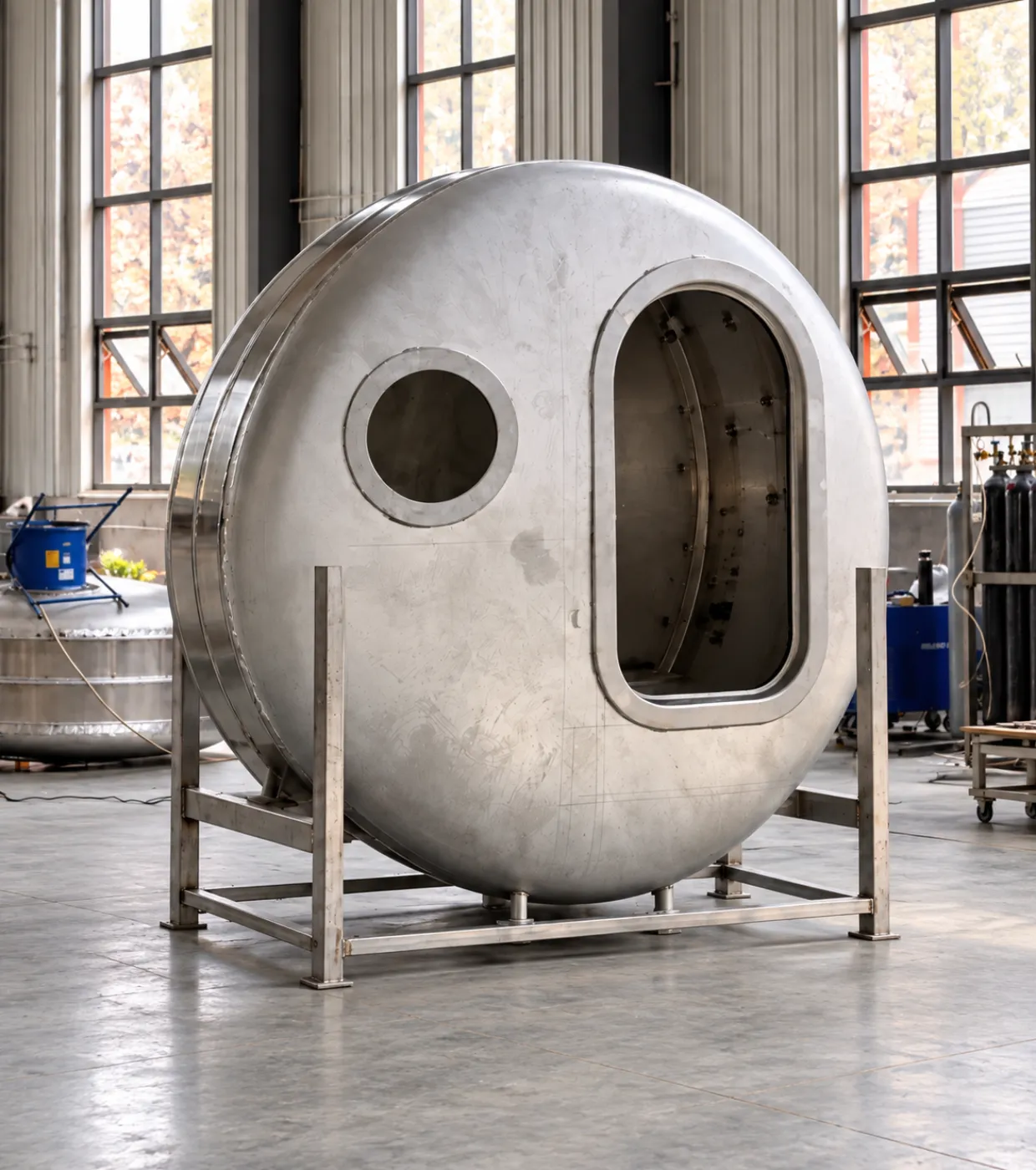
Hard-Shell Capsules & Chambers — Aluminum Alloy or Q235 Carbon Steel
The capsule models (OB-H201S, H201M) and the dual-seat cylinder (OB-D201) use aluminum alloy — lightweight relative to its strength, corrosion-resistant, and well-suited for pressure vessel applications.
- Best for: Dedicated wellness rooms, recovery studios, professional centers with high daily usage.
- Lifespan: Approximately 8–10 years for hard-shell chambers.
- Pressure capability: 1.1–2.0 ATA adjustable.
- Interior: PU sofa or electric sofa (model-dependent). Anti-static dissipative flooring. No exposed electrical components inside.
- Fire safety design: Interior materials, wiring, and seals are designed to flame-retardant and anti-static specifications. The chamber pressurizes with air, not oxygen — this is a critical fire-safety factor. According to the U.S. FDA safety communication on hyperbaric chambers, fire risk increases in oxygen-enriched environments; Oxyboss chambers keep the internal atmosphere near ambient oxygen levels (≈21%) with concentrated oxygen delivered only through the user's mask.
Home Personal Wellness
A spare bedroom, garage, or dedicated corner is all you need. Soft pods like the S15T or S159 weigh under 24 kg, fold flat when not in use, and plug into a standard household outlet. Users typically run 1–2 sessions per day, 60 minutes each, as part of a broader wellness routine — often alongside sauna, cold exposure, or stretching.
Recovery & Sports Performance Studios
Studios that see 4–8 clients daily need equipment that holds up to back-to-back sessions. Hard-shell capsules (H201S or H201M) deliver 2.0 ATA with built-in air conditioning, keeping interior temperature stable even after consecutive 60-minute slots. The modular 3-in-1 oxygen source means no separate compressor or concentrator cluttering the room.
Spa, Resort & Hospitality Wellness
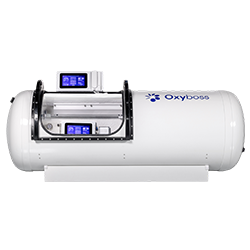
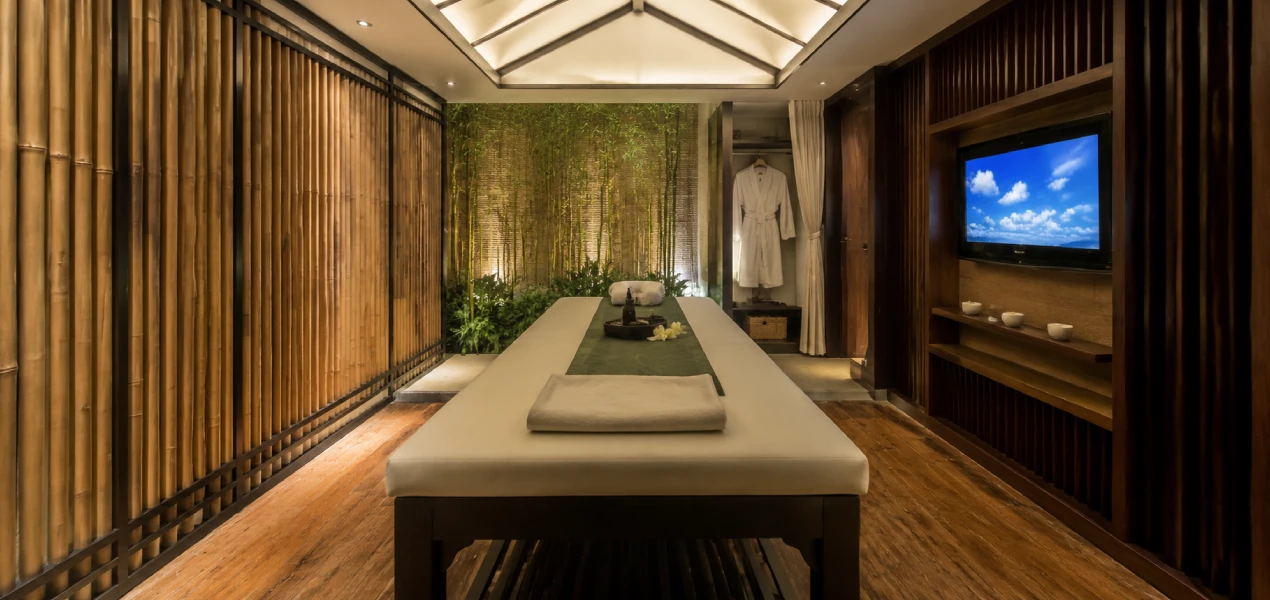
A hyperbaric oxygen capsule adds a high-perceived-value service line that most spas and resorts still don't offer. The D201 dual-seat cylinder — with its sliding door and open interior — makes a visual statement in a premium wellness lounge. Two guests per session doubles throughput and creates a shared experience.

Gym & Fitness Centers
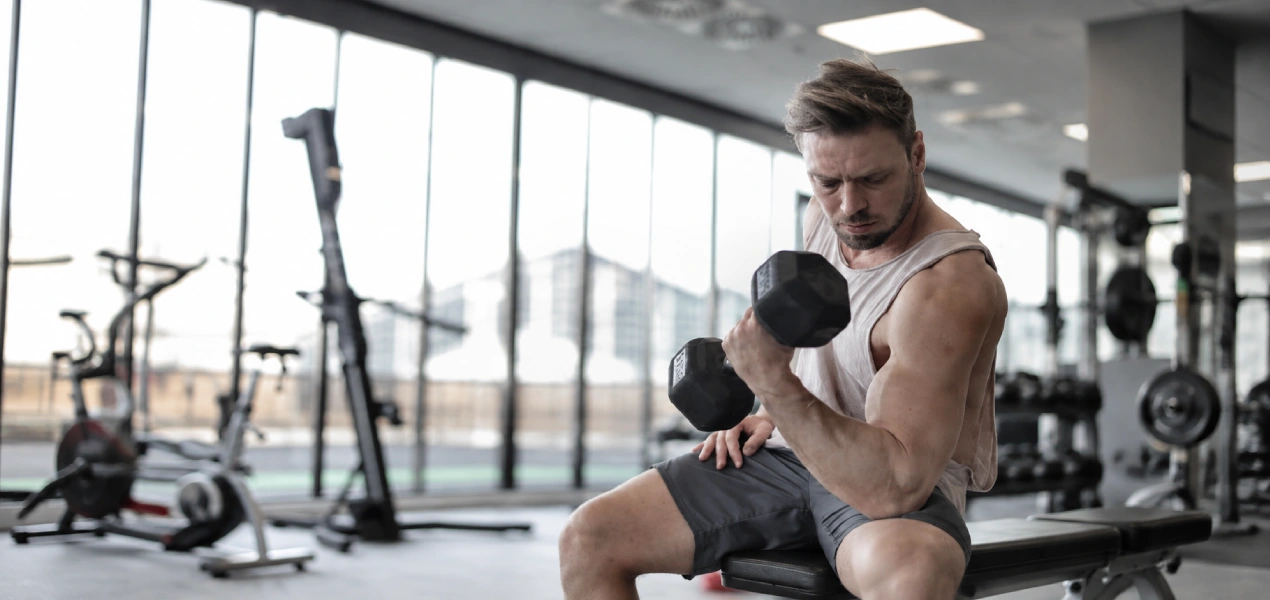
Recovery zones are expanding beyond ice baths and compression boots. A soft hyperbaric chamber pod placed alongside existing recovery equipment introduces pressurized oxygen wellness without major renovation. For gyms ready to invest in a premium recovery area, a hard-shell capsule raises the tier and justifies a higher session price.
Mobile Wellness Practitioners
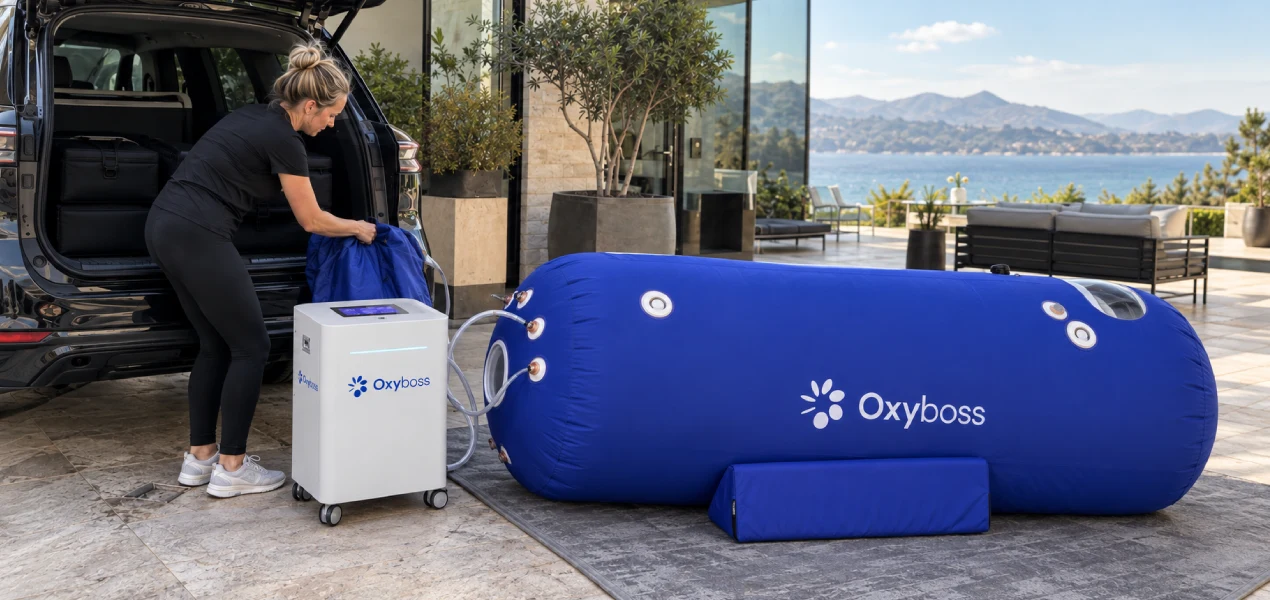
The S158 at 18 kg fits in a car trunk. Mobile practitioners who bring wellness equipment to client homes, corporate offices, or events can set it up in about 10 minutes and break it down just as fast. No special power requirements — standard 110V/220V/240V works.
Chiropractic & Physiotherapy Offices
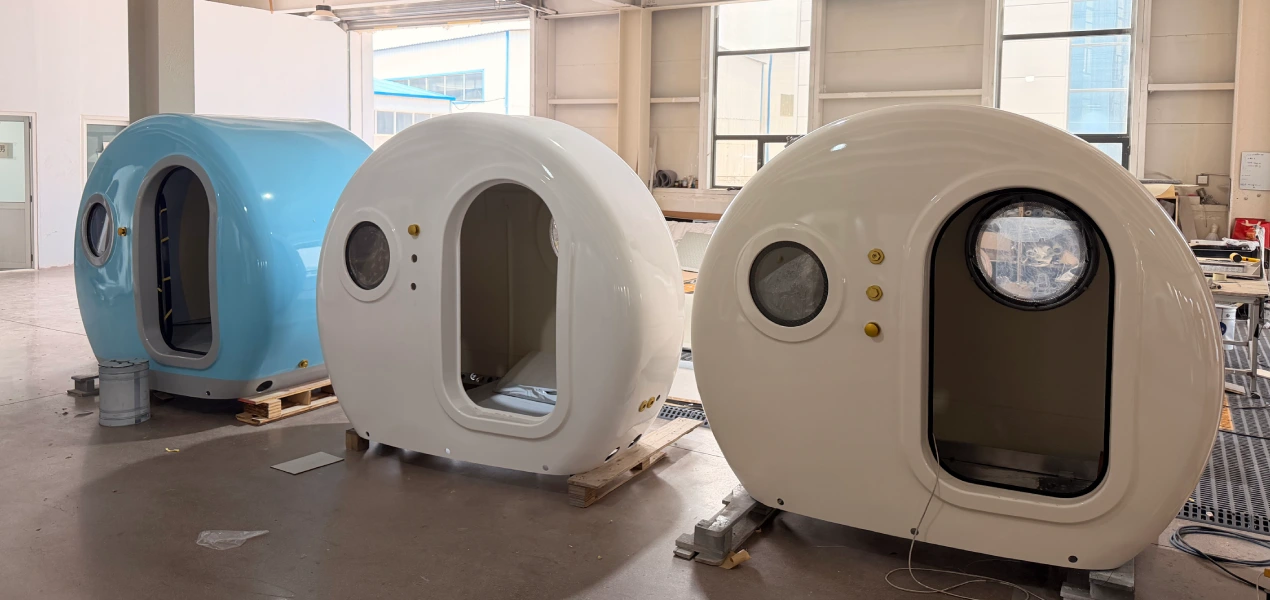
As a complement to manual therapy, a hard-shell capsule in the waiting area or a dedicated room gives clients something to do between adjustments. The professional appearance of an aluminum-alloy capsule also signals investment in modern equipment — which matters for client trust.
Elderly Care & Assisted Living
Ease of entry is critical. The D201's sliding door and upright seating position allow users with limited mobility to enter and exit without bending or crawling. Wheelchair ramp compatibility is available as a factory option. Electric sofas adjust to individual comfort.
Corporate Wellness Programs
Companies adding on-site wellness rooms for employees can use the D201 dual-seat cylinder to serve two people per session. At approximately 2.2 kWh per session, operating energy cost stays under €3 per session at average EU electricity rates — making it a low-overhead addition to an existing wellness space.
From Inquiry to Delivery in 5 Steps
Simple process. Real human responses. No drip emails.
Step 1 — Tell us what you need.
Fill out the quote form or email us directly. Tell us your use case (home, studio, commercial), preferred chamber type, and destination country. We respond with a personalized recommendation and quote within one business day — from a real person, not an automated sequence.
Step 2 — Confirm your configuration.
Choose your model, optional upgrades (20L oxygen source, BIBS breathing system, wheelchair ramp, custom color/logo), and confirm the order. OEM and private-label options available with no additional customization fee.
Step 3 — Production & factory testing.
Once approved:
Soft chambers: ~7 working days production + 3 days testing. Hard chambers: ~15–20 working days production + 5–7 consecutive days of run testing (pressure hold, leak check, oxygen sensor calibration, AC function, dual-screen sync, tri-voltage power verification). We can share photos, videos, and test data before shipping. Third-party pre-shipment inspections (SGS, Bureau Veritas, TÜV) are welcome — arranged at buyer's cost.
Step 4 — DDP shipping to your door.
We handle everything: export customs, ocean or air freight, import duties, and destination clearance. You don't pay extra customs or brokerage fees. Sea freight typically takes 45–55 days; air freight 15–20 days; truck within EU ~20–30 days. Shipping originates from Shenzhen, China.
Step 5 — Unbox, connect, and start.
The chamber arrives pre-assembled. Connect the chamber body to the 3-in-1 oxygen source using plug-and-play cabling. Run the touchscreen self-check. Done. We provide free 1-on-1 video training, an installation manual, a maintenance guide, and a cleaning/disinfection protocol. Training certificates can be issued on request.
Payment terms:
50% deposit before production, 50% balance after production confirmation and before shipment. Credit card payment accepted.
Get a Quote for Your Hyperbaric Chamber Pod or Capsule
Real answers from real engineers — within one business day.
Whether you're sourcing a single unit for personal use or outfitting a multi-room wellness facility, we'll help you match the right model, configuration, and delivery plan. Tell us your use case, preferred chamber type, and shipping destination. We will respond with a personalized recommendation, full specification sheet, and DDP pricing — within one business day.
Frequently Asked Questions About Hyperbaric Chamber Pods & Capsules
Hyperbaric pressure environments are generally not recommended for individuals with untreated pneumothorax, severe claustrophobia, active upper respiratory infections, or certain ear/sinus conditions that prevent pressure equalization. According to the Undersea and Hyperbaric Medical Society (UHMS), absolute contraindications include untreated tension pneumothorax. Relative considerations include pregnancy, seizure history, recent ear surgery, and certain implanted devices. Oxyboss chambers are wellness devices — any individual with a pre-existing condition should consult their healthcare provider before use.
Hard-shell chambers carry CE marking under the European Pressure Equipment Directive 2014/68/EU (PED Certificate No. 10.07.12722, Notified Body: EUROCERT S.A., NB 1128, valid 2026-08-10 to 2029-08-09, Category III, Module H). We also hold ISO 13485 (medical device quality management system) and ISO 9001 (Certificate No. 11726Q2286R002, certified by ICAS under CNAS accreditation). Pressure vessel engineering is aligned with ASME PVHO-1 design principles. All chambers are classified as personal wellness devices — not medical devices. Certificates are available upon request in original form.
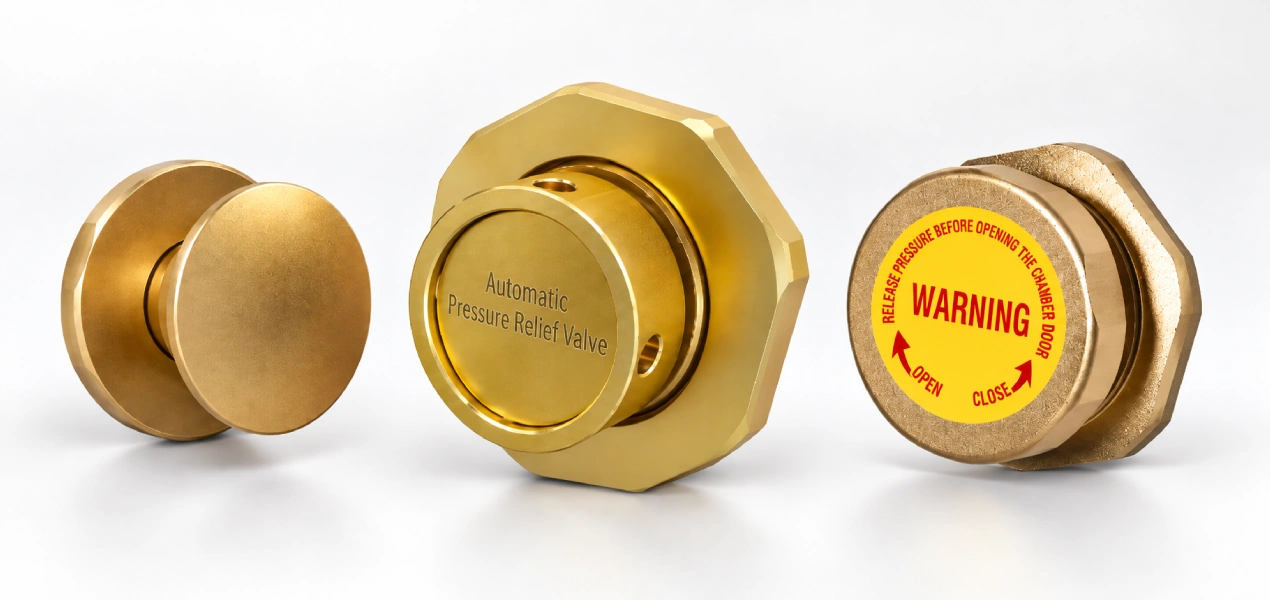
Every hard-shell chamber has purely mechanical manual pressure relief valves on both the inside and outside. These work without electricity. In a power failure, the user (or an attendant outside) can manually release pressure and open the door. The automatic pressure control system also includes an independent safety relief valve that activates at a preset threshold — for example, the H201 series triggers at approximately 200.5 kPa and releases about 3 kPa before restoring normal regulation.
All shipments are DDP (Delivered Duty Paid) — we handle export customs, freight, import duties, and destination clearance. You will not receive surprise invoices from customs brokers. Typical transit times: sea freight 45–55 days, air freight 15–20 days, truck within the EU approximately 20–30 days. Shipping originates from Shenzhen, China. Soft-chamber shipping costs may be included in the quote; hard-shell freight is quoted separately due to weight and volume.
Yes. We support OEM, private label, custom logo, and color customization with no additional customization fee. Minimum order quantity for branded units is typically 2 chambers. We can also provide training certificates, user manuals, and maintenance guides under your brand. NDAs are standard for white-label partnerships.
At 1.5 ATA (our soft chambers), the pressurized environment reaches about 50% above normal atmospheric pressure. At 2.0 ATA (our hard-shell models), it reaches double normal atmospheric pressure. Higher pressure means a longer pressurization time (10–12 minutes vs. 20–25 minutes to reach operating level), heavier and more rigid construction, and a different user experience — hard shells feel more enclosed but also quieter (45–48 dB inside). The choice depends on your priority: portability and convenience (1.5 ATA soft) versus higher-pressure capability and durability (2.0 ATA hard chambers).
We provide a written cleaning and disinfection protocol with every unit. For soft chambers: wipe interior surfaces with a mild, non-abrasive disinfectant after each session, ventilate with the chamber open for 10–15 minutes. For hard shells: same wipe-down process, plus the built-in air conditioning helps circulate fresh air during the ventilation period.
PU sofa surfaces and oxygen masks are designed for easy surface disinfection. Masks are consumable items and should be replaced per your facility's hygiene policy. We recommend 20–30 minutes between back-to-back sessions — enough for cleaning plus system rest.
No — and this is an important distinction. Hospital-based HBOT typically uses rigid multi-person chambers at 2.0–3.0 ATA with 100% medical-grade oxygen, administered under direct professional supervision. Oxyboss chambers are personal wellness devices operating at 1.5–2.0 ATA, using a built-in concentrator that delivers 90% ± 3% oxygen through a mask while pressurizing the chamber with ambient air.
We do not claim equivalence with hospital HBOT protocols. The FDA's consumer update on hyperbaric oxygen therapy provides useful context on what constitutes regulated hyperbaric treatment versus consumer wellness use.