.svg)
.svg)
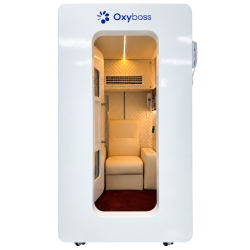
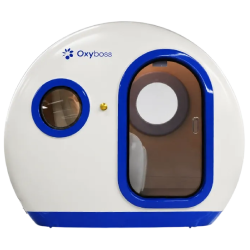
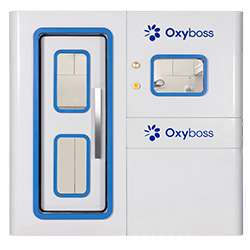

Commercial hyperbaric chamber operation is not only about offering an in-chamber experience. It is also about long-term management of client safety, staff procedures, operation records, and brand reputation.
For distributors, clinics, wellness centers, spa facilities, and recovery spaces, a clear safety protocol can help reduce human error, lower operational risk, and build stronger client confidence before each session.
This guide has been prepared by Oxyboss to help commercial operators establish practical procedures for pre-session screening, prohibited items, staff operation, and daily maintenance. This guide is for general safety and operational reference only. It does not constitute medical advice, legal advice, or regulatory compliance certification. Clients with health concerns should consult a qualified healthcare professional before use.
1. Contraindication Screening
Commercial facilities should complete basic screening before a client’s first hyperbaric chamber session and keep a signed confirmation record. The following information can be used as an initial screening framework for front-desk staff and operators, but it does not replace medical evaluation.
1.1 Absolute Contraindications
Clients with the following conditions should not be allowed to enter a hyperbaric chamber and should be advised to seek professional medical evaluation first.
1.1.1 Untreated Pneumothorax
Known or suspected untreated pneumothorax is an important absolute contraindication for hyperbaric oxygen exposure. Pressure changes may lead to serious consequences, so operators must not allow such clients to enter the chamber.
1.1.2 Inability to Communicate or Cooperate
If a client cannot understand operating instructions, express discomfort, or cooperate with depressurization and exit procedures, the session should be postponed. Commercial facilities must ensure that the client can maintain effective communication with staff outside the chamber.
1.1.3 Acute Warning Signs
If a client shows obvious chest pain, difficulty breathing, altered consciousness, severe dizziness, or other acute symptoms, they should not be placed inside the chamber. In such cases, the client should be advised to seek medical help first.
1.2 Relative Contraindications
The following conditions do not always mean that use is absolutely prohibited, but the session should be postponed or the client should consult a doctor before proceeding.
1.2.1 Cold or Nasal Congestion
A severe cold, nasal congestion, sinus blockage, or ear blockage may affect pressure equalization. Clients may experience ear pain or obvious discomfort during pressurization, so use should be reconsidered after symptoms improve or after medical confirmation.
1.2.2 Ear Conditions
Clients with recent ear surgery, eardrum problems, middle ear infection, ear pain, or difficulty equalizing ear pressure should consult a doctor first. Operators should not continue pressurization if the client reports significant ear pain.
1.2.3 Respiratory Conditions
Clients with serious respiratory disease, recent lung infection, chronic lung disease, or unexplained breathing difficulty should consult a healthcare professional first. Operators should carefully evaluate whether a session is appropriate.
1.2.4 Cardiovascular Conditions
Clients with serious cardiovascular disease, recent heart-related events, or unstable blood pressure should seek professional medical evaluation before use. Commercial facilities should not independently determine whether the client is suitable for a session.
1.2.5 Pregnancy
Pregnant clients should consult a doctor before use. Operators should not promote hyperbaric chamber sessions as a pregnancy wellness service or make any related benefit claims.
1.2.6 Claustrophobia
Clients with severe claustrophobia, a history of anxiety episodes, or strong sensitivity to enclosed spaces should receive clear communication before use. A short adaptation session may be considered if appropriate, but operators should not continue pressurization if the client is visibly panicked.
1.2.7 Special Medication Use
Clients who are taking special medications, undergoing recent treatment, or have a complex medical history should consult a doctor first. Operators should not make medical judgments about medication compatibility with a hyperbaric oxygen environment.

2. Prohibited Items Inside the Chamber
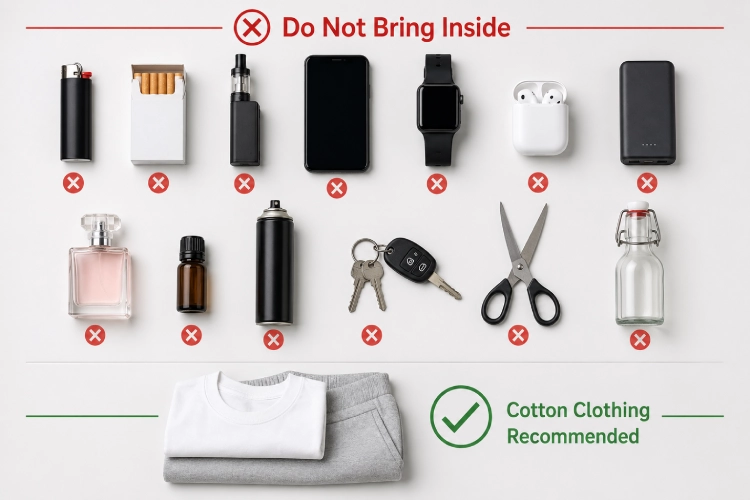
In an oxygen-enriched and pressurized environment, fire prevention, static control, and prohibited-item management are essential parts of commercial hyperbaric chamber safety. Before the client enters the chamber, staff should complete an item check and make sure the client understands what must not be brought inside.
2.1 ❌ No Ignition Sources
Prohibited Items: Lighters, matches, cigarettes, e-cigarettes, and any item that may create an open flame, spark, or high temperature. Why: Oxygen-enriched environments can increase fire risk, so commercial facilities must apply strict no-fire rules. Operator Protocol: Place clear no-smoking and no-flame signage near the chamber entrance, and have staff confirm compliance before the client enters.
2.2 ❌ No Electronic Devices
Prohibited Items: Mobile phones, smartwatches, wireless earbuds, power banks, lithium-battery devices, and any unapproved electronic products. Why: Electronic devices may create battery, heat, spark, or static-related risks. Operator Protocol: Operators are advised to provide a secure storage area outside the chamber for clients’ personal electronic devices.
2.3 ❌ No Oil-Based Products
Prohibited Items: Oil-based skincare products, petroleum jelly products, essential oils, oil-based massage creams, hair spray, perfume, alcohol-based sprays, and volatile cosmetic products. Why: Oil-based, alcohol-based, or volatile products may create unnecessary safety risks in an oxygen-enriched environment. Operator Protocol: Before a session, clients should keep their skin, hair, and clothing clean and dry. Avoid entering the chamber immediately after essential oil massage, perfume application, or hair spray use.
2.4 ✅ Cotton Clothing Recommended
Recommended Clothing: 100% cotton clothing or chamber-use clothing approved by the operator. Why: Cotton or approved clothing helps reduce risks related to static electricity and unknown fabric materials. Operator Protocol: Commercial facilities may provide dedicated chamber clothing to reduce uncertainty from client-owned garments.
2.5 ❌ No Sharp Objects
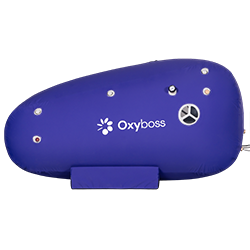
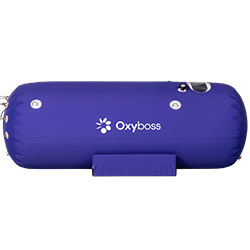
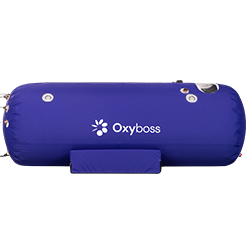
Prohibited Items: Keys, scissors, needle-like objects, sharp jewelry, glass bottles, and any item that may damage the chamber body or interior. Why: Sharp objects may damage soft chambers, mattresses, interior surfaces, or sealing areas. Operator Protocol: Soft chamber projects should pay special attention to sharp items and hard accessories before entry.
2.6 ❌ No Unnecessary Personal Items
Prohibited Items: Bags, coats, food, drinks, and unrelated personal belongings. Why: The chamber interior should remain clear for easier client observation and proper airflow. Operator Protocol: Before entry, staff should complete a “pocket and personal item check” with the client.

3. Staff SOP
The safety level of a commercial facility depends heavily on whether staff can consistently follow the same operating procedure. Every session should include pre-use confirmation, pressurization observation, in-session communication, controlled depressurization, and post-use recording.
3.1 Pre-Session Communication
Operators should explain the basic process to the client, including pressurization, pressure holding, depressurization, ear pressure equalization, how to call staff outside the chamber, and the need to report discomfort immediately. Clients should not enter the chamber without understanding the process.
3.2 Ear Pressure Guidance
During pressurization, operators should remind clients to try pressure-equalizing techniques such as swallowing, yawning, or gently pinching the nose and blowing. If the client experiences obvious ear pain, cannot equalize pressure, or reports ongoing discomfort, the operator should pause pressurization or reduce pressure. Pressurization should not be forced.
3.3 Continuous Monitoring
During the session, operators should monitor pressure display, client feedback, equipment sound, and tubing status. Commercial facilities should not allow untrained staff to operate the chamber independently, nor should clients be left unmanaged for long periods during use.
3.4 Panic Response
If a client feels nervous, panicked, tight in the chest, or asks to stop, the operator should first reassure the client through the intercom or external communication method, then depressurize smoothly according to the operating procedure. The chamber must not be forced open while pressure remains inside.
3.5 Emergency Procedure
For commercial operation, it is recommended to use equipment with a clear depressurization path, pressure display, and communication between the inside and outside of the chamber. Depending on model and configuration requirements, Oxyboss can provide depressurization design, pressure monitoring, and communication configuration support to help operators build a clearer abnormal-situation response process.
3.6 End-of-Session Confirmation
After the session, operators should first confirm that pressure has fully returned to a safe state before opening the chamber door or zipper. After the client exits, staff should inspect the chamber body, tubing, mattress, interior surfaces, and any remaining prohibited items.
4. Operation Records
For B2B commercial buyers, a hyperbaric chamber is not a device that can simply be purchased and used without a management system. It requires clear staff responsibilities, operating records, maintenance schedules, and client confirmation documents.
4.1 Staff Training
Operators should ensure that all staff understand the user manual, safety contraindications, prohibited items, pressurization and depressurization procedures, client communication scripts, and abnormal-situation response steps. New employees should not operate the chamber independently before completing training.
4.2 Screening Records
Before the first session, clients should complete a basic health screening form and consent form. The form should include recent health status, ear/nose/throat conditions, respiratory conditions, cardiovascular conditions, recent surgery, pregnancy, and special medication use.
4.3 Prohibited Item Confirmation
Before every session, staff should confirm whether the client is carrying electronic devices, lighters, oil-based skincare products, perfume, hair spray, lithium-battery devices, sharp objects, or any unapproved item.
4.4 Session Records
Commercial facilities should record the client’s name, session date, chamber model, session duration, target pressure, client feedback, and any abnormal situation. Long-term records support operation management, after-sales communication, and risk traceability.
4.5 Abnormal Event Records
If abnormal pressure, obvious client discomfort, equipment alarms, loose tubing, unusual odor, abnormal sound, or oxygen system issues occur, use should be stopped immediately and the issue should be recorded. The chamber should not continue operating until the abnormality has been checked and resolved.
5. Maintenance Inspection
Safe operation does not only happen when a client enters the chamber. It also depends on daily equipment checks and ongoing maintenance. Regular inspection helps identify wear, looseness, blockage, and abnormal operation before they affect daily use.
5.1 Daily Inspection
Before opening each day, check the power supply, voltage, tubing connections, pressure display, depressurization device, chamber door or zipper, chamber surface, and oxygen source operating status. If an abnormality is found, the cause should be checked before arranging client use.
5.2 Surface Cleaning
After each session, clean all client-contact areas, including the mattress, interior surfaces, handles, control area, and entry/exit area. Cleaning products should comply with the equipment manual. Avoid flammable, corrosive, or oil-based cleaning products.
5.3 Seal Inspection
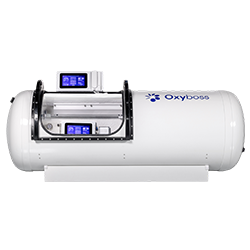
For soft chambers, focus on the zipper area, seam area, and connection ports. For hard-shell chambers, focus on the door, sealing ring, viewing window, and pressure connection areas. Any abnormality that affects sealing should be handled promptly.
5.4 Filter Maintenance
Components related to the oxygen source and air circulation system should be inspected regularly according to the instructions. Removable filters should be cleaned or replaced based on usage frequency and environmental conditions to avoid blockage and operating issues.
5.5 No Unauthorized Modification
Do not modify the power supply, tubing, valves, control system, oxygen source system, or safety devices without manufacturer confirmation. Any unauthorized modification may affect equipment safety, warranty coverage, and future after-sales evaluation.
6. Safety Support
Oxyboss not only provides hyperbaric chamber equipment, but also supports commercial buyers with safety-related documents and cooperation resources to help partners establish clearer operating procedures.
6.1 Operation Documents
We can provide user manuals, operating guides, maintenance recommendations, pre-use checklists, prohibited-item notices, and safety label files to help operators train staff and standardize client communication.
6.2 Remote Collaboration
For overseas clients and distributors, we support remote communication to assist with equipment operation instructions, configuration confirmation, workflow explanation, after-sales troubleshooting, and maintenance recommendations.
6.3 Factory Inspection
Before shipment, inspection records, real product photos or videos, configuration confirmation, and packaging confirmation materials can be provided to help buyers understand product status before delivery and reduce uncertainty in cross-border procurement.
6.4 Business Materials
For long-term partners, we can also provide product specification sheets, sales documents, FAQs, client communication materials, and after-sales reference files to help local teams introduce and operate hyperbaric chamber projects more professionally.
7. Disclaimer
This page is intended for general commercial operation and safety reference only. It does not constitute medical advice, diagnostic advice, treatment guidance, legal advice, or local regulatory compliance certification. Hyperbaric chambers should be used according to the product manual, operating instructions, and applicable local regulations.
Any client with health concerns, recent surgery, special medication use, pregnancy, or physical discomfort should consult a qualified healthcare professional before use.
Oxyboss recommends that all commercial operators establish a complete process for pre-use screening, prohibited-item checks, staff training, equipment maintenance, and abnormal-situation response to help reduce operational risk and support long-term business stability.