.svg)
%201.webp)
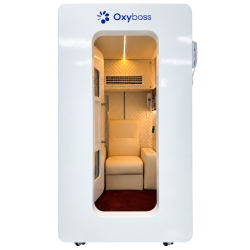
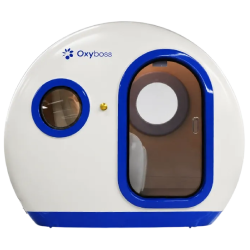
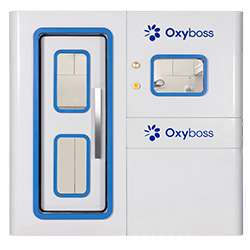
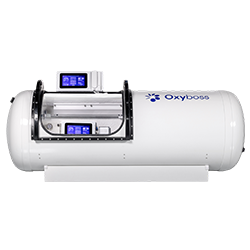
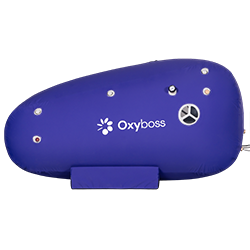
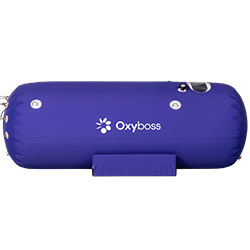
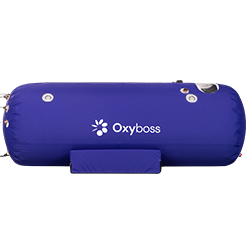
Room Type Hyperbaric Chamber for Sale
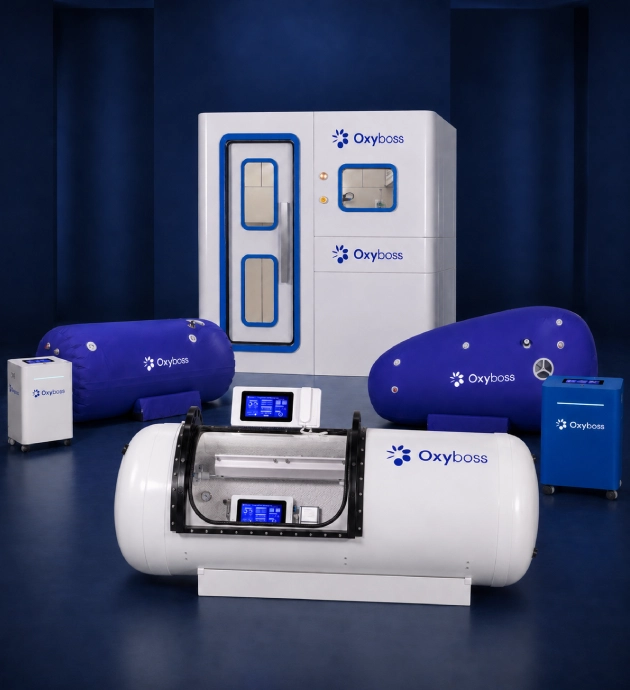
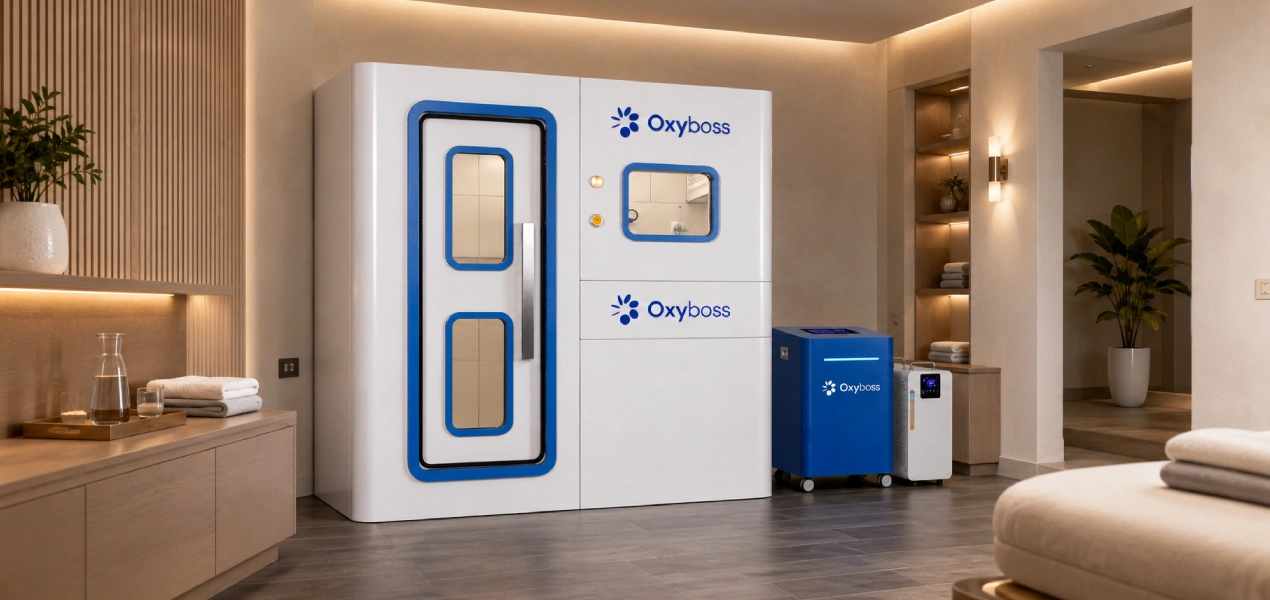
The Oxyboss hyperbaric chamber room range covers multiple pressure profiles and form factors, all running on integrated oxygen sources (concentrator + compressor, no cylinders). The three chamber rooms featured on this page all reach 2.0 ATA, the upper working pressure most operators choose for general wellness and recovery use.
Modular Hyperbaric Chamber Models & Specifications
Each chamber room at a glance: what it is, who it suits, and the spec line that matters most.
Core Performance & Technical Advantages of the Hyperbaric Chamber Room
A walk in hyperbaric chamber is more than a pressurized container — it is a coordinated system of vessel, oxygen supply, climate, and user interface that has to perform repeatably across thousands of cycles. The Oxyboss chamber room was iterated against three operator pain points that we kept seeing in the field.


.svg)
2.0 ATA Working Pressure Across Every Hard-Shell Room
The OB-H202, OB-H301, and OB-D201 all reach 2.0 ATA, the upper end of the wellness and recovery range. Most competing hard-shell chamber rooms in this size class top out at 1.3 or 1.5 ATA; choosing a chamber that already covers 2.0 ATA means an operator does not have to replace the chamber later when their service menu expands. Pressure is adjustable from 1.1 to 2.0 ATA in 0.1 ATA steps from either touch screen.

Independent Inside-and-Outside Touch Screens
Each chamber room has two 10-inch touch screens — one inside the chamber, one outside — that mirror each other in real time. The user can see session time, pressure, oxygen flow, and temperature from inside without asking the operator, and the operator can adjust any setting from outside without interrupting the user. Both screens run a full English UI and complete a self-check on power-up. There is no separate handheld pendant or proprietary remote to lose.

Mechanical Safety Valves Independent of Electrical Power
Every hard-shell chamber room has a manual mechanical pressure-relief valve on both the inside and outside walls, plus an automatic relief valve that triggers at the preset threshold (about 200.5 kPa on OB-H202, releasing ~3 kPa before reseating). In a power outage, both manual valves still operate — the user is never trapped, and the chamber can be decompressed and opened from either side within seconds. The internal lining, wiring, and seals are designed to be flame-retardant and anti-static; the chamber floor uses a static-dissipative finish.
The 3-in-1 Oxygen Source System Explained
The 3-in-1 oxygen source is the single piece of equipment most often underestimated when buyers compare chamber rooms. It is also the piece that determines daily operating cost, noise level, and service intervals. Oxyboss consolidates three traditionally separate devices into one 130 kg cabinet so the chamber room can run off a standard wall outlet.
.svg)
Built-In Air Compressor — No External Compressor Room
The compressor pressurizes the chamber with breathable air, not with high-concentration oxygen. The 90% ± 3% oxygen is delivered only through the user's mask or BIBS hose. This separation is important: pressurizing the entire chamber with concentrated oxygen would create an explosion risk and require intrinsically safe electrical work throughout the room. By keeping the cabin at normal-air oxygen levels and feeding concentrated oxygen only to the breathing circuit, the chamber room can be installed in a standard wellness facility without classified-area wiring.

On-Board Air Conditioner — Comfortable Sessions at 2.0 ATA
Compression heats the air. At 2.0 ATA, cabin temperature can climb 8–10 °C above ambient if not actively managed, which is why every Oxyboss hard-shell chamber room ships with the A/C module integrated into the 3-in-1 source. The system holds cabin temperature in the 18–25 °C band cited in published wellness protocols, even on back-to-back sessions. The integrated design also means there is no window-unit or split A/C to install, drain, or service separately.

10 L/min Concentrator — No Oxygen Cylinders to Refill
The concentrator pulls ambient air, filters it through a molecular sieve, and delivers 90% ± 3% oxygen at 10 L/min (20 L/min on OB-D201, the two-seat room). For a typical 60–90 minute session at 2.0 ATA, a single user consumes the oxygen produced by one concentrator with margin to spare. There are no oxygen cylinders to store, swap, or refill — a practical advantage for studios and home users in regions where medical-gas delivery is unreliable or where building codes restrict cylinder storage.
Plug-and-Play Cabling — Set Up in One Afternoon
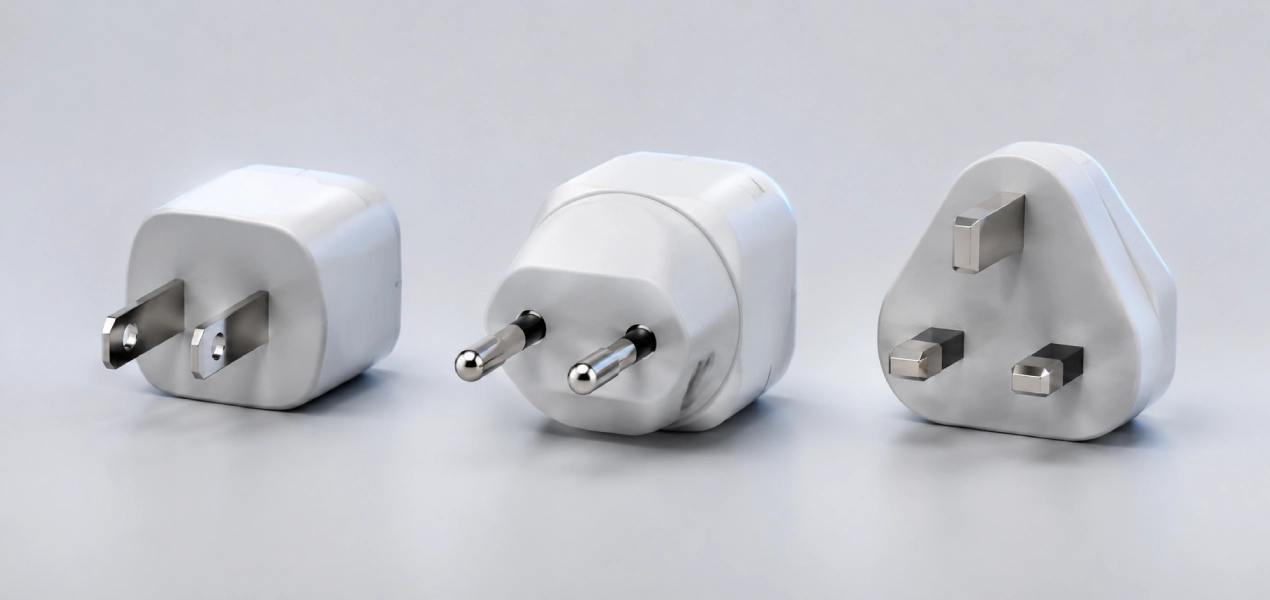
The chamber ships pre-assembled; on site, the operator connects the chamber body to the 3-in-1 source using the supplied cables (high-pressure hose + control line, standard 5–7 m, extendable on request for OB-H301 to place the source in a separate technical room). No electrician, no plumber, no on-site installation crew. Power draw is 2200 W at 10 A, which runs on a standard 110V / 220V / 240V outlet with a 10 A breaker and residual-current protection. Hard-shell chambers (500–900 kg) still need to be moved from the delivery truck into the room by local labor.
Materials, Build Quality & Buying Guidance
Walk in hyperbaric chambers are pressure vessels — the material choice and wall thickness directly affect longevity, weight, and certification posture. Oxyboss uses three material families across the lineup, each matched to a specific operating profile.
Q235 Carbon Steel
High strength-to-cost; 4 mm plate handles 2.0 ATA comfortably; heavier (600–900 kg) so it sits firmly in place
Aluminum Alloy (5083)
Marine-grade corrosion resistance; lighter (500 kg) for upper-floor or transport-sensitive sites; same 4 mm plate thickness

Where Hyperbaric Chamber Rooms Are Used
Modular hyperbaric chamber sit at the intersection of wellness, recovery, beauty, and performance. The same engineering — pressure vessel, oxygen delivery, climate control — adapts to several operator profiles. The list below is the most common deployment contexts our customers run; it is not a list of medical claims


Wellness centers & spas
Adds a high-margin, bookable service with predictable session length (typically 60–90 min). The OB-H202 is the most common pick here.
Recovery studios & sports medicine facilities
Athletes book the chamber between training sessions; the OB-H301 mini format is popular because it resets fast between users.
Gyms & fitness clubs
Pair the chamber room with existing recovery zones (sauna, cold plunge). Operators often choose OB-D201 for paired sessions.
Beauty & anti-aging salons
The chamber is positioned as a complementary wellness service. OB-H301 fits narrow treatment rooms; OB-H202 fits dedicated spaces.
Hotel & hospitality wellness floors
A 2.0 ATA chamber room is a differentiator for upscale properties; the aluminum-alloy OB-D201 ships intact and passes through most hotel service corridors.
Home wellness suites
Compact hard-shell OB-H301 fits larger residences without requiring a dedicated chamber room or special wiring.
Research & training facilities
Some university and pro-team facilities use chamber rooms for performance research; BIBS-equipped OB-H202 is the typical configuration.
How an Oxyboss Hyperbaric Chamber Room Project Works
The Oxyboss purchase process is built around fixed-price quotations, factory-acceptance testing before shipment, and a single point of contact through delivery. Most orders follow the same five steps.
Step 1 — Discovery call
A 20–30 minute video or phone call to confirm chamber model, target room dimensions, electrical capacity, and intended use case. We send a model-specific spec sheet the same day. Quotation reply: within one business day, from a human, not a drip campaign.
Step 2 — Order and deposit
Standard payment terms are 50% deposit on order, 50% balance before shipment, with credit card accepted. OEM / private-label, customer logos, and color customization are available at no extra cost (MOQ applies for some custom colors). Bulk and distributor pricing is open from two units; regional exclusivity is negotiable based on volume and KPI.
Step 3 — Production
Hard-shell chamber rooms build in 15–20 working days. Every chamber runs a factory acceptance test before packing: pressure-hold and leak check, oxygen-concentration verification (sensor reads 90% ± 3%), compressor and A/C function test, dual-screen mirror test, and a full power-on check across 110V / 220V / 240V.
Step 4 — Shipping
Chambers ship from Shenzhen, China, under DDP (Delivered Duty Paid) terms — duties, customs clearance, and import taxes are on us; the buyer does not get a second invoice from a broker. Hard-shell chambers are quoted with freight separate because of weight and volume. Sea transit runs 45–55 days; air freight 15–20 days; EU truck routes 20–30 days.
Step 5 — On-site setup and first session
Chambers arrive pre-assembled; the only on-site work is connecting the chamber body to the 3-in-1 source with the supplied cables and running the touch-screen self-check. A 1-on-1 video walkthrough with one of our engineers is included. Hard-shell chambers (500–900 kg) need to be moved from the delivery truck into the room by locally arranged labor. Most operators run their first paid session within a day of delivery.
Talk to Oxyboss About a Hyperbaric Chamber Room
Tell us about your space and use case — we will recommend a configuration and quote within one business day.
A hyperbaric chamber room is a long-term operational decision. Whether you are planning your first chamber for a new wellness floor, adding a second chamber to an existing recovery studio, or specifying a fleet for a multi-location brand, the Oxyboss team will respond to your inquiry within one business day, from a human who knows the product line.
Frequently Asked Questions About Walk in Hyperbaric Chamber
A vertical (sitting) chamber keeps the user upright in a reclining seat or sofa; a horizontal (lying) chamber has the user reclining flat on a mattress. Vertical formats are the standard choice in commercial settings where client turnover matters and where many clients prefer not to lie down. Horizontal formats are typically chosen for extended relaxation-focused sessions.
No. Every Oxyboss hard-shell chamber room runs on the integrated 3-in-1 source (oxygen concentrator + air compressor + air conditioner in one cabinet). There are no cylinders to refill and no separate compressor room to build. The 90% ± 3% oxygen is generated on site from ambient air and delivered to the user through a mask or optional BIBS hose.
A typical session in a modular hyperbaric chamber is 60–90 minutes at the chosen pressure. Most operators recommend no more than 2 hours per single session and 20–30 minutes of rest between sessions on the same chamber to let the 3-in-1 source recover. Daily session counts are limited by the oxygen source's duty cycle rather than by the chamber itself. A common weekly cadence is 3–5 sessions per user.
Walk in hyperbaric chambera draw about 2.2 kWh per 60-minute session. Standard power is 110V / 220V / 240V at 10 A. A normal 10 A breaker with residual-current protection is sufficient — no dedicated industrial circuit, no special grounding. Sound levels from the 3-in-1 source are under 60 dB(A) at 1 meter, and cabin noise is around 45–48 dB(A).
Routine maintenance is light: wipe the cabin after each session and air it out; every 3–6 months or ~500 operating hours, inspect and replace the inlet air filter (about USD 50); every 2 years, replace the door seal (about USD 150) if leakage is detected; the molecular sieve runs 5,000–8,000 hours between changes (about USD 600); the control screen is a long-life component rated 5+ years (about USD 1,500 if replaced). The 3-in-1 source is modular — subassemblies are swapped, not the whole unit.
After the 3-year hard-shell warranty, replacement parts continue to be available at factory cost, and remote technical support stays in place for the life of the chamber. Most service events resolve via remote diagnosis: the user sends photos or a short video, our engineer identifies the failed module, and a replacement part is air-shipped. From a service ticket to a replacement part in the customer's hands is typically 3–5 business days once the failure is confirmed (target response time is 48 hours for the initial confirmation).
If you are in mainland China, you are welcome to visit the Shenzhen factory floor and see the chambers running. For overseas customers, we send detailed videos of the cabin interior, the door, the user-perspective view from inside, the cable connection, and the touch-screen UI on request. OEM and private-label branding — your logo, your color — is supported at no extra charge, with MOQ depending on the customization scope. Third-party pre-shipment inspection (SGS, Bureau Veritas, TÜV, or a buyer-designated Chinese agent) is accepted; inspection fees are borne by the buyer.