.svg)
%201.webp)
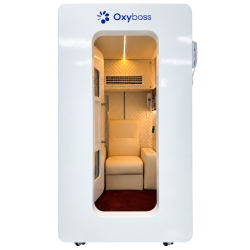
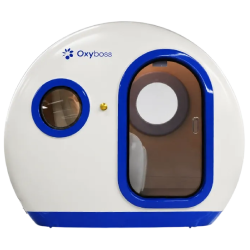
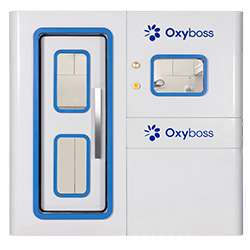
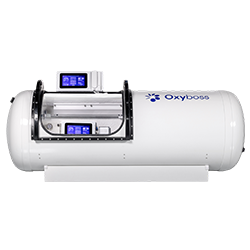
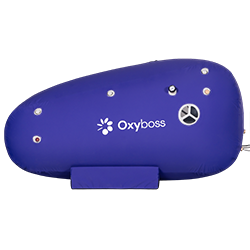
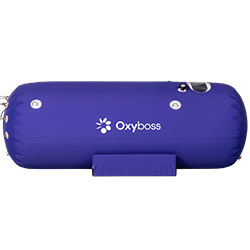
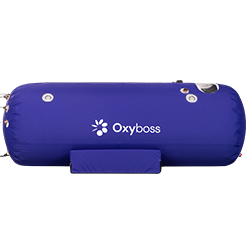
Vertical Hyperbaric Oxygen Chamber for Studios, Spas & Home Wellness
If you run a wellness studio, a recovery lounge, or a premium home wellness room, a vertical hyperbaric chamber is one of the highest-return service assets you can add. Clients sit down, breathe, and walk out feeling refreshed — and you book the next session 20 minutes later.
The five models on this page are all ready to ship. They share one integrated 3-in-1 oxygen source, one plug-and-play install flow, one training program, and one 3-year hard-chamber warranty. You pick the model that fits your room and your service model, place the order, and we take it from there — production, factory acceptance test, DDP delivery, and a 1:1 video training with your team.
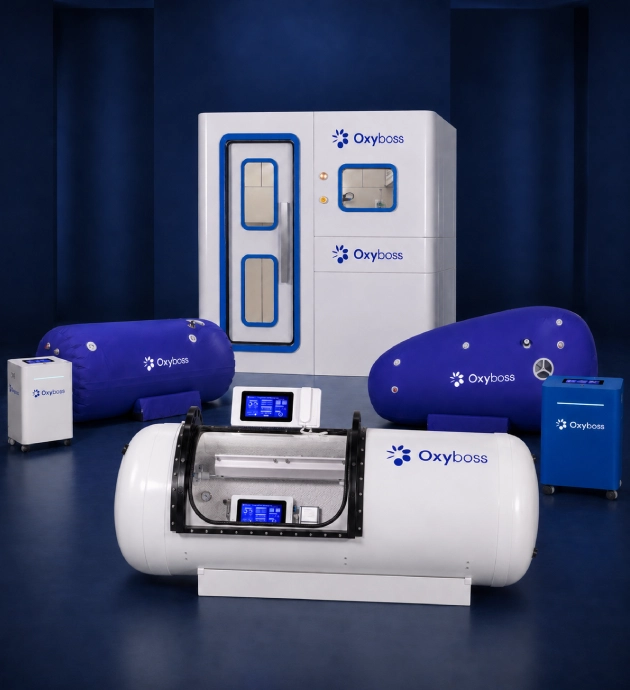
Available Vertical Hyperbaric Chamber Models
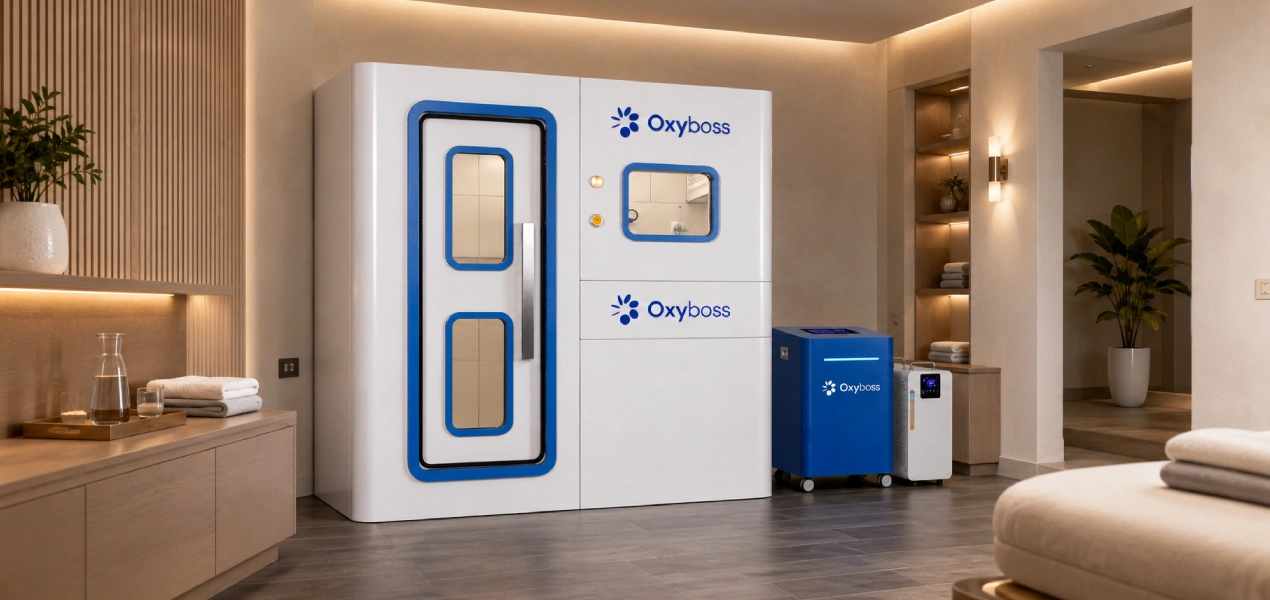
Every unit ships with the same 3-in-1 oxygen source, dual synchronized touchscreens inside and outside the cabin, and a factory-tested pressure hold. What changes across models is the sit-up experience: how many people, how much room to move, and how the chamber looks in your space.
Why These Chambers Perform Under Daily Studio Load?
Four engineering choices that show up in the client experience — and in your operating margin.


.svg)
True 2.0 ATA with a 1.1–2.0 ATA adjustable working range
All five vertical models operate across a 1.1–2.0 ATA adjustable range, letting you dial in the right pressure for the session type — a gentler 1.3–1.5 ATA for wellness sessions, or a full 2.0 ATA for the recovery block. Pressure is set from either the internal or external touchscreen and held to within a tight margin throughout the session, giving your clients a consistent, repeatable experience across every booking.

Pressurization speed that keeps your booking calendar on time
The chambers reach 1.3 ATA in roughly 5 minutes, 1.5 ATA in 10–12 minutes, and full 2.0 ATA in 20–25 minutes. In practice, this lets a studio schedule four to six paid sessions per day per chamber without burning margin on ramp-up time. Studios running back-to-back bookings appreciate this most — the ramp-down is fast too, so the room resets quickly.

Synchronized internal + external touchscreens
Both screens display pressure, oxygen flow, session timer, and cabin temperature, and both accept input. Clients can adjust their own settings from inside — an operator does not need to stand by the door for every session. Staff can prep the next client while the current one is mid-session, which is where the throughput math actually pays off.

Modular plug-and-play architecture for on-site serviceability
The 3-in-1 source connects to the cabin with pre-terminated cables. When a component eventually needs attention, technicians replace a module rather than the full system, and most swaps can be walked through with a single technician video call. That is the difference between a chamber that stays booked and one that sits idle waiting for a service visit.
The 3-in-1 Integrated Oxygen Source — Cleaner Install, Fewer Failure Points
One cabinet, three functions, one power circuit — and the reason our chambers install in hours instead of days. Every vertical hyperbaric chamber in this collection uses the same Oxyboss 3-in-1 integrated oxygen source: a 10 L/min oxygen concentrator (upgraded to 20 L/min on the OB-H402 and OB-D201 two-seaters), an oil-free air compressor, and an integrated air conditioning unit — all housed in one cabinet on wheels.
.svg)
One cabinet on wheels, not three separate machines to plumb together
Older-generation setups require three separate boxes and a technician to plumb them together on-site. The 3-in-1 arrives as one wheeled cabinet. You roll it into the technical room, plug in one power cable, and connect the pre-terminated hose to the chamber. Install time on our reference sites averages under 4 hours from crate to first session.

Cabin air pressurized, high-oxygen delivered through mask
Cabin pressurization uses compressed air, while 90% ± 3% oxygen is delivered to the user through a BIBS-compatible mask or nasal cannula. This is deliberate: cabin oxygen concentration stays near normal air levels, while the user still receives the target dose. The internal sensor monitors cabin oxygen continuously and automatically cuts oxygen supply if the level exceeds a preset safety threshold (24% on the H401).

Integrated air conditioning keeps cabin temperature comfortable
Sealed pressurized cabins retain heat, so cabin temperature matters — especially for 60–90 minute sessions. The integrated air conditioner keeps the interior in a comfortable range throughout a full session, and users routinely report the cabin feeling calm and cool rather than warm and stuffy. This is the difference between a client rebooking and a client asking to end the session early.
One power circuit, standard 10 A breaker, three voltage inputs
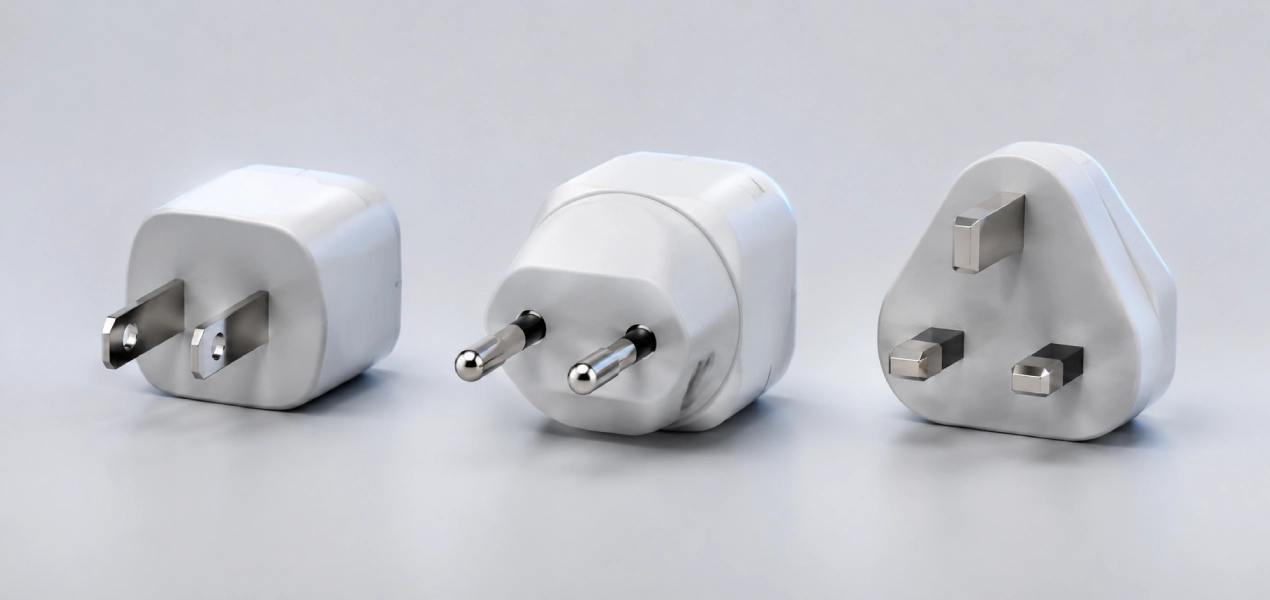
Total draw is 2200 W at 10 A. A standard 10 A breaker with residual-current protection is sufficient — no dedicated industrial circuit, no electrician callout. The unit accepts 110V, 220V, and 240V input, so the same hardware ships to the US, EU, UK, and AU markets without regional rewiring.
Materials, Build Quality & Long-Term Durability
What the shell is made of, and how it holds up under years of daily commercial use.
5083 marine-grade aluminum alloy (4 mm plate) — the shell material for the shell and cylinder models. This is the same alloy specified in marine hulls and industrial pressure vessels. Two properties matter for operators: it is corrosion-resistant, so cabin humidity and cleaning agents do not accelerate degradation over years of daily use, and it is lighter than steel, which broadens the range of buildings the chamber can be installed in without floor reinforcement. Our aluminum shells align with the ASME PVHO-1 standard family for pressure vessels for human occupancy.
Q235 carbon steel — the shell material for the largest interior-volume models. Carbon steel provides the structural rigidity needed to build the widest sit-up interiors without adding wall thickness or internal bracing. The trade-off is weight, which is why these models are typically specified for ground-floor or reinforced-floor installations.
Full-lifetime consumable coverage — masks, mattresses, pillows, soft padding, and seals are treated as consumables and can be replaced anytime through our support channel. This matters over a 5–10 year operational lifetime: the shell and oxygen source keep working, and the touch points that see daily user contact stay hygienic and fresh.
Factory acceptance test on every hard chamber — every unit runs a 5–7 day continuous test before shipment, including pressure-hold testing, oxygen concentration verification (90% ± 3%), compressor and air conditioner function test, dual touchscreen synchronization test, and full power-on confirmation across all three voltage inputs. You receive the test video and pressure-hold readings before we ship.
Referenced engineering context: According to AZoM's materials database, 5083 aluminum alloy is widely specified for pressurized applications due to its high strength-to-weight ratio and excellent weldability. The ASME PVHO-1 standard governs the design of pressure vessels for human occupancy and is the engineering reference the Oxyboss hard-shell line aligns with.

Sports recovery studios and athletic training facilities
Sit-up sessions are the format of choice in pro-team and elite-athlete recovery rooms. Athletes prefer to stay upright post-training or post-competition, especially when still in kit. Sessions are typically 60–90 minutes and scheduled between training blocks or on active recovery days.

Wellness centers, spas, and boutique fitness studios
Vertical chambers have become a signature revenue service in premium wellness studios. They pair naturally with infrared sauna, cold plunge, and contrast-therapy protocols. The visual presence of a hard-shell chamber also functions as a marketing centerpiece — operators frequently photograph clients inside the chamber for content and referrals.

Corporate wellness and executive recovery suites
Corporate buyers install vertical chambers in executive gyms and dedicated wellness suites. Sessions are scheduled in 60-minute blocks and often paired with biometric tracking or coaching. The upright format works because busy executives often prefer to read or take calls during their session rather than lie down.

High-end residential wellness rooms
Home buyers in this segment typically install in a dedicated room with 4–6 air changes per hour of ventilation. The OB-H401 is the most common residential choice — it moves through standard doorways and sits well within typical residential floor-loading limits.

Recovery and rehabilitation-focused wellness centers
Operators specify vertical chambers for clients who prefer to stay seated rather than lie down. The room-type interior on the H202 in particular suits extended supervised sessions where a coach or wellness professional stays engaged with the client throughout.
Beauty, longevity, and anti-aging wellness studios
Longevity-focused wellness studios include sitting hyperbaric sessions as one component of multi-modality wellness protocols. The upright position is preferred when users want to remain seated and interact with reading materials, guided audio, or biometric wearables during a session.
Physiological Support Users Report — With the Mechanism Behind It
Below are the effects users commonly describe, along with the physiological principle that helps explain each one. These are supportive wellness observations, not medical claims. Individual experiences vary, and consistent use over time is generally required before any perceived change.
May help support recovery perception after physical exertion
At elevated pressure, more oxygen dissolves directly in blood plasma (following Henry's Law of gas solubility), which increases oxygen availability to tissues beyond what haemoglobin alone can carry. Athletes and active users often describe regular sessions as a helpful complement to their post-training routine of hydration, sleep, and nutrition.
May contribute to a feeling of relaxation during use
Sessions take place in a quiet cabin (typically 45–48 dB(A) inside) with no phone use, providing an enforced screen-free interval. Combined with the steady breathing rhythm that most users settle into once the cabin reaches pressure, the session functions as a built-in mental-reset window. Many clients describe it as one of the calmest hours of their week.
May be used as part of a sleep and stress routine
Wellness studios commonly schedule evening sessions as part of a wind-down protocol. The routine — dim lighting, guided audio, quiet cabin, seated posture — helps signal a transition from activity to rest. Users report the routine itself feels supportive of their evening wind-down, rather than the chamber acting alone.
May help support consistency in a multi-modality wellness plan
Because vertical chambers are stationary and require no physical exertion during the session, users with limited mobility, or those recovering from an injury, are often able to maintain their session schedule without modification. Consistency is the biggest predictor of any wellness outcome, and a chamber that fits into a routine without disrupting it supports that consistency directly.
May complement skin and beauty routines
Oxygen is a key input for cellular metabolic activity, including in skin tissue. Beauty and longevity studios position sit-up sessions as a complement to topical skincare, and users often book their session before or after facial care appointments as part of a broader self-care block.
May help support cognitive freshness during long working days
Users who book mid-day sessions frequently describe a subjective sense of mental freshness afterward. The likely contributing factors are the physiological relaxation response from a quiet seated session, plus the elevated tissue oxygen availability that comes from pressurized breathing.
How an Order Moves From Quote to Delivery
Six steps, each with a clear handoff and a defined timeline.
Step 1 — Specification confirmation (Day 1–2)
You send us your room dimensions, ceiling height, doorway width, target client volume, and any commercial certifications required. We confirm the right model, install requirements, and issue a written quote.
Step 2 — Deposit and production scheduling (Day 3–5)
A 50% production deposit secures your build slot. Hard-chamber production runs 15–20 working days from deposit received.
Step 3 — Factory acceptance test (Day 20–25)
Every hard chamber runs a 5–7 day continuous factory acceptance test before shipment. You receive photos, video, and pressure-hold readings for review. Third-party inspections (SGS, Bureau Veritas, TÜV) are welcomed at buyer cost.
Step 4 — Balance payment and DDP shipment (Day 25–30)
Remaining 50% balance is due before dispatch. We ship DDP — duties, customs, and import taxes are on us. Air freight runs 15–20 days; sea freight 45–55 days; EU truck routes 20–30 days.
Step 5 — On-site delivery and setup (Day 45–80, route-dependent)
The chamber arrives factory-pre-assembled. You connect the 3-in-1 source with the included plug-and-play cabling, run the touchscreen self-check, and the system is operational. Heavy hard-chamber units are moved from truck to room by your local team.
Step 6 — Training and ongoing support (ongoing)
We run a 1:1 video training session with your staff, and ship you the user manual, maintenance guide, and cleaning protocol. A real person — not a chatbot — replies to quotes and support requests within one business day. Warranty module replacements ship within 3–5 days of fault confirmation.
Get Your Vertical Hyperbaric Chamber Quote
Send us your room dimensions and target session volume — we reply with a full quote in 24 hours.
Every quote starts with three questions: what is the room, what is the client volume, and when do you want to open. Send us that, and we'll come back with the recommended model, install requirements, delivery timeline, and price — inside one business day, from a real person.
Frequently Asked Questions About Vertical Hyperbaric Chambers
A vertical (sitting) chamber keeps the user upright in a reclining seat or sofa; a horizontal (lying) chamber has the user reclining flat on a mattress. Vertical formats are the standard choice in commercial settings where client turnover matters and where many clients prefer not to lie down. Horizontal formats are typically chosen for extended relaxation-focused sessions.
All Oxyboss hard vertical chambers operate across a 1.1–2.0 ATA adjustable range. Pressure is set from either the internal or external touchscreen and held to within a tight margin throughout the session.
A single session is generally scheduled at up to 2 hours, with a 20–30 minute rest between sessions for the oxygen source to reset. Most commercial operators run 4–6 paid sessions per day per chamber without stressing the system.
No dedicated industrial circuit is required. The 3-in-1 source draws 2200 W at 10 A. A standard 10 A breaker with residual-current protection is sufficient. The unit accepts 110V, 220V, and 240V input.
The 3-in-1 source runs at ≤60 dB(A) measured at 1 meter. Cabin interior is typically 45–48 dB(A) during a session — quieter than a normal office and comfortable for rest or conversation.
Hard chambers carry a 3-year warranty covering non-consumable components; consumables (filters, seals, masks, mattresses, pillows) are available at cost throughout the chamber's lifetime. Module-level replacement is supported — you do not need to replace the full system if one component fails.
Yes. OEM, private label, custom logos, and custom colors are supported with no additional tooling fee. MOQ for branded units starts at 2 units.