.svg)
.svg)
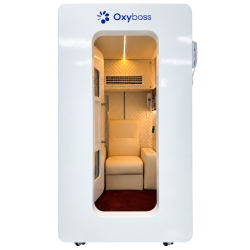
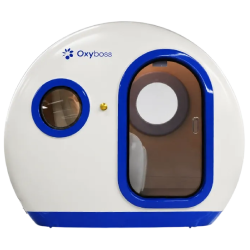
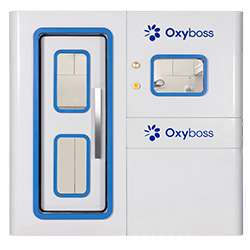
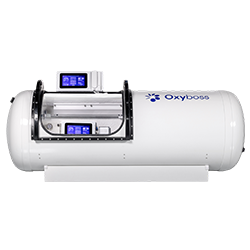
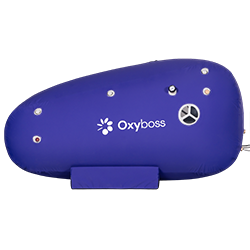
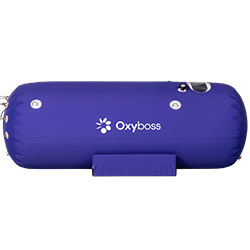
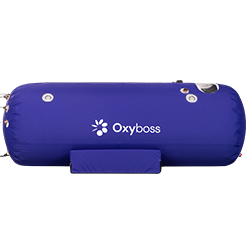
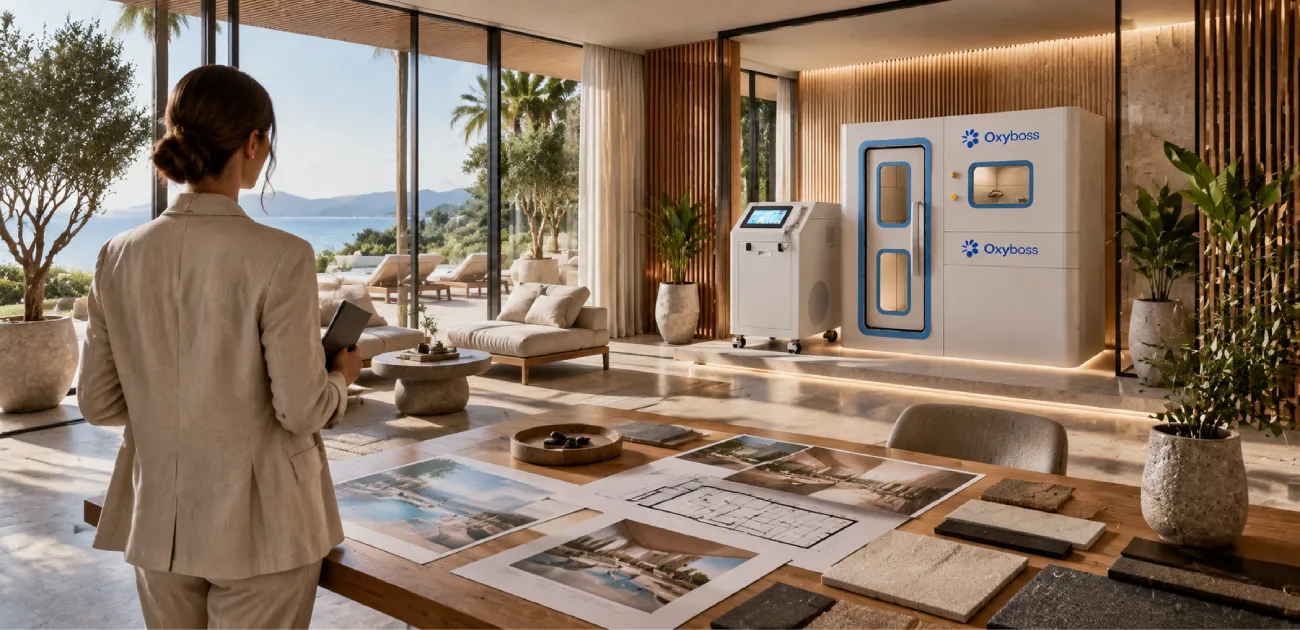
If you're running a hotel or resort in 2026 and you're looking at hyperbaric chamber services, you've probably already run into the same problem every operator runs into. Everyone else is talking about it. Almost nobody is telling you how it actually works on property.
This page is built to fix that. We walk through what the amenity really costs to install, what permits and codes you actually trigger, what your staff has to be trained on, and how to price the service so it pays for itself. We do this for both soft-shell 1.5 ATA chambers and hard-shell 2.0 ATA chambers, and we keep the two tiers separated throughout. They are not the same product, they do not trigger the same compliance burden, and treating them like the same thing is the most common mistake we see in the market.
Two things before we start.
First, we are not going to make any health claims on this page. Hyperbaric exposure at the pressures used in hotel and resort settings is positioned as a wellness and recovery amenity, the same way a spa, a cold plunge, or a sauna is. If a vendor is telling you their chamber "treats" or "cures" anything, walk away. The FDA has cleared hyperbaric oxygen therapy for a specific set of conditions, and a non-medical hotel chamber is not that product (FDA, Hyperbaric Oxygen Therapy).
Second, the order of the page follows the order a hotel operator actually thinks through the decision. We start with the two objections worth hearing before you commit, then move through the codes you trigger, the space and power you need, what it costs, how long it takes to pay back, who runs it, and how to sell it without tripping over advertising rules.
Two objections worth hearing before you decide
Hotel industry press has been writing about hyperbaric for years, and two pieces of that coverage deserve your attention before you write a check.
Objection one. Lambert and Mark Mogelon at Hotel Online wrote, "before you go look at the latest cold plunge or hyperbaric purchase, you should really be thinking about how to commercialize the wellness services you already have." (Hotel Online, 2024). The point is fair. A chamber sitting empty in a back room is worse than no chamber at all. It becomes a write-off on a P&L that already has a wellness revenue line.
Objection two. Hospitality Investor ran a piece titled "Forget the spa — wellness is going hyper-specific," and it ends with a warning every owner should read twice. "Wellness has become an arms race, and it's getting harder and harder to differentiate. Owners need to make sure the investment translates into pricing power." (Hospitality Investor).
Both objections are valid. Our answer to both is the same. Run the math first. Specifically, three numbers have to work out before you buy a chamber: revenue per square foot on the wellness floor, utilization rate at realistic occupancy, and the compliance cost of the tier you're choosing. If those three numbers don't work, no chamber will save the project. If they do work, a chamber is one of the more defensible wellness amenities you can add, because the unit economics are simpler than a spa treatment room and the operating model is simpler than a fitness center.
What "hyperbaric chamber" actually means in a hotel context
The term is doing a lot of work in the market, and a lot of it is misleading. Here is the working vocabulary you need.
Two warnings on terminology.
First, "chamber" without a pressure rating is meaningless. Any vendor who won't put the ATA rating on the quote is either hiding it or doesn't know.
Second, "Ammortal Chamber" and similar names you see in luxury hotel marketing refer to a different product category, usually infrared plus PEMF plus oxygen exposure, not pressure. They are real products, but they don't share the compliance profile, the engineering footprint, or the cost structure of a pressure chamber. The Global Wellness Institute notes the trend of "multi-modality recovery pods" specifically, which is the same category. (GWI, Future of Wellness 2024).
The codes and standards you actually trigger
This is where most vendor pages go quiet. We are going to be specific, because the codes are the codes.
NFPA 99 (2024), Chapter 14 is the standard for hyperbaric facilities. It governs chamber construction, oxygen systems, fire suppression, electrical classification, and room construction. NFPA 99 defines three categories of hyperbaric facility based on the pressure and use, and it covers pressure ranges from 0 to 690 kPa. A chamber pressurized at 2.0 ATA for any use falls under Chapter 14's scope. The relevant oxygen and safety rules include §14.2.2.1 (pressure vessel design and fabrication, normally to ASME PVHO-1) and §14.2.2.1.2 (secondary pressure relief devices). (NFPA 99, Chapter 14, free read).
NFPA 101 §8.7.5 is the line in the Life Safety Code that ties hyperbaric facilities to NFPA 99. The language is short, the implication is large: any occupancy containing a hyperbaric chamber must comply with NFPA 99 regardless of how the rest of the building is classified. The handbook commentary specifically calls out amusement centers and fitness centers, but it does not exempt hotels. (NFPA 101, §8.7.5).
ASME PVHO-1 is the American Society of Mechanical Engineers standard for pressure vessels for human occupancy. If a chamber is ASME PVHO-1 stamped, it has been designed and built to a recognized pressure vessel code. If it is not, ask why. (ASME PVHO-1).
FDA 21 CFR Part 820 and 510(k) governs whether a device is legally marketed in the US. A chamber can be a non-medical wellness product without 510(k) clearance, but a chamber that is marketed or labeled for a medical use, or that mimics a medical device, can run into trouble. The FDA's own consumer page on hyperbaric oxygen therapy is the clearest public statement of the agency's position. (FDA, HBOT consumer update).
What this means in plain English.
A 1.5 ATA soft-shell chamber is the lower tier for compliance burden. It is a fabric vessel, the operating pressure is moderate, and the oxygen is delivered by a concentrator rather than a stored medical gas system. Most jurisdictions treat it under general wellness facility rules. That said, two NFPA 99 rules apply at any pressure. Room ambient oxygen concentration must be kept below 23.5% by volume during operation, because oxygen-enriched atmospheres dramatically accelerate ignition of any combustible in the room. And where chamber internal oxygen exceeds 23.5%, a non-reclosing secondary relief device is required on the chamber to prevent catastrophic overpressure in a fire event. Both rules have real incident histories behind them, including a chamber-door failure documented in NFPA's own incident log.
A 2.0 ATA hard-shell chamber is a different category. It is a pressure vessel, it has oxygen-enriched atmosphere inside, and the surrounding room has to be built to handle both the fire load and the ventilation requirement. A 2.0 ATA chamber on property will, in most US jurisdictions, pull your wellness area into NFPA 99 Chapter 14 scope. The room build alone is what dominates the project budget, not the chamber itself.
One more thing that matters here. ISO 13485 is a quality management system certification. It is not a device clearance. A vendor with ISO 13485 has a certified manufacturing process. That is good. It is not the same as FDA 510(k) clearance, and no vendor should be allowed to imply otherwise.

Permits and medical oversight: the three-layer structure
Permits for a hotel hyperbaric amenity typically layer into three buckets. None of them are optional.
Layer one: building and fire. Permit pulled with the local Authority Having Jurisdiction, often routed through the fire marshal's office. Inspections on room construction, electrical classification, fire suppression, ventilation, and egress. This layer is the same regardless of which chamber you buy. NFPA 99 §14.3.1.3.3 requires non-reclosing fire extinguishers inside any hyperbaric room where oxygen is in use, regardless of facility category. If your local inspector does not raise this, ask why.
Layer two: oxygen and pressure systems. If you are running a 2.0 ATA chamber with medical-grade oxygen piping, you may trigger medical gas permits depending on state. If you are using a 10 L oxygen concentrator and ambient air pressurization, this layer is usually lighter. Ask your local fire marshal and your state's department of health which layer you trigger. The FGI Guidelines for Design and Construction of Outpatient Facilities covers hyperbaric suite design and is the most cited design reference in US hospital projects. (FGI Guidelines).
Layer three: operational oversight. This is where the well-meaning "you need a medical director" advice gets over-applied. For a non-medical 1.5 ATA soft-shell amenity in most states, you do not need a physician on staff. You need a trained chamber operator, which is a different role. For a 2.0 ATA hard-shell amenity, the picture changes. Many jurisdictions and many insurers treat a 2.0 ATA operation as closer to a clinical setting, and the case for a medical director or at least a written collaborative agreement with a physician gets stronger. (UHMS, Hyperbaric Facility Safety practice).
Space, power, and ventilation: the engineering numbers
This is the section most vendor pages skip. It is also the section that determines whether the project is feasible on your property, so here it is with numbers.
Soft-shell 1.5 ATA chamber (single-occupancy).
Hard-shell 2.0 ATA chamber (single-occupancy).
Two notes on these numbers.
The floor load numbers above are distributed loads. ASCE 7 requires both distributed and concentrated load cases to be checked, with the worse case governing. Real loading during install is concentrated under the casters or shipping dollies, which can be higher than the distributed number. Have a structural engineer look at your specific slab before ordering. (ASCE 7-22, Minimum Design Loads).
The electrical numbers are the most common gotcha. US hotel rooms run on 110 V. A 2,200 W unit on 110 V pulls 20 A. That is a dedicated circuit, not a shared outlet. If you do not have a 220 V feed at the planned location, running one is a small electrical project that lands in the cost section below.
Payback: two figures, not one
There are two honest payback numbers in this market, and you should see both before you commit.
Vendor claims. Most chamber vendors and a lot of the marketing copy you'll find online quote payback periods of 3 to 6 months. These numbers assume high utilization (often 70% or more) and high per-session pricing (often $150 or more). They are not wrong, exactly. They are just optimistic.
Industry baseline. Hospitality consulting firms working on wellness amenity ROI typically cite 18 to 36 months for amenity payback at standard hotel utilization rates. (Spa Team International, wellness amenity ROI benchmarks).
The reason the two numbers differ is utilization. At 70% utilization (4 to 5 sessions per day, 300 days per year, $100 per session), a single hard-shell chamber generates about $150,000 per year in gross revenue, and payback lands inside two years. At 40% utilization, the same chamber generates about $85,000, and payback stretches past three years.
The unit that actually matters is revenue per square foot per year for the wellness floor. A well-run recovery suite generates $250 to $600 per square foot per year. An underused amenity space generates $0 to $50. (Travel and Tour World, wellness tourism economics 2024).
If your recovery suite is going to generate under $200 per square foot per year, the chamber math does not work. If it is going to generate over $300, the chamber math is one of the better ROI stories in your wellness stack.
Five ways to actually deliver the service
The "buy or don't buy" framing is wrong. There are at least five delivery models in active use, and they have very different risk and capital profiles.
One, own and operate. You buy the chamber, you train your spa or wellness staff, you run sessions yourself. Highest control, highest capital exposure, highest operational responsibility.
Two, lease with option to purchase. Common in the US market. Typical structures are 24 to 60 month leases with a $1 buyout or a fair market value buyout at the end. Lease payments land between $300 and $1,200 per month depending on chamber. Useful if you want to validate utilization before committing capital. (American Wellness Alliance, equipment financing briefing).
Three, licensed operator model. A third-party recovery studio operator comes onto your property, brings the chamber, runs the bookings, splits revenue with you. Lowest capital exposure for the hotel, but you give up margin and control of the guest experience.
Four, full turnkey concession. A wellness company runs the entire amenity as a branded experience inside your property. They bring equipment, staff, marketing, sometimes even the build-out. You give them space and a revenue share.
Five, clinical partnership. You partner with a licensed clinic or medical practice that operates the hyperbaric service under their license, on your property. Common at the 2.0 ATA tier. Handles the medical oversight question, but introduces HIPAA-adjacent operational considerations.
If you are a single independent property testing the waters, the licensed operator or turnkey concession model is usually the right starting point. If you are a multi-property brand standardizing on the amenity, ownership with a centralized training and compliance function is usually the right answer at scale.
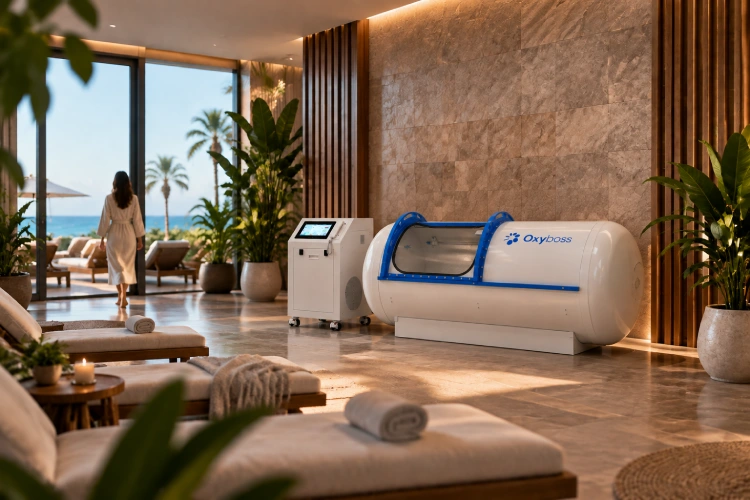
Staffing: two paths, not one
The "you need a hyperbaric technician" advice that you see in some vendor materials is correct for the clinical tier and overkill for the wellness tier. Here are the two paths that actually work.
Path one, wellness chamber operator. For a 1.5 ATA soft-shell chamber, you need a person trained in chamber operation, emergency procedures, oxygen handling, contraindications screening, and guest communication. Training runs two to five days depending on the program. Typical source is the chamber manufacturer or a third-party training provider. Cost is in the $1,500 to $3,000 per person range, recertification annually. (International Hyperbarics Association, operator training).
Path two, hyperbaric technician (CHT). For a 2.0 ATA hard-shell chamber, especially one running medical-grade oxygen, the staffing conversation shifts to a Certified Hyperbaric Technician. The CHT credential is the industry-recognized credential for clinical hyperbaric operations. (UHMS, CHT certification). In a hotel context you typically do not need a full CHT-staffed operation, but you do need at least one person trained to that standard on call, particularly for safety incidents.
The honest framing for a hotel operator. The 1.5 ATA amenity needs an operator with documented training. The 2.0 ATA amenity needs an operator with documented training and a relationship with a CHT-credentialed resource, even if that resource is off-site.
Insurance: the five questions to ask your broker
This is the section where we are going to be deliberately unspecific, because the answers vary by state, by insurer, and by tier. What we will give you are the five questions to bring to your insurance broker, because every operator we've worked with has needed to ask them.
- Does our general liability policy cover a non-medical hyperbaric amenity for guests, or do we need a rider?
- If we run a 2.0 ATA chamber, does our policy treat that as a medical exposure?
- Are guest sessions covered under our hospitality policy, or do guests need to sign a separate waiver that creates a separate coverage path?
- What is the operator-training documentation the underwriter will want to see?
- If a guest has a contraindicated condition and is injured during a session, what is the coverage position?
Do not accept a "we cover spas, so we cover this" answer. The underwriting for a pressure chamber is different from the underwriting for a massage room, even if both sit on the same spa floor.
How to market it without making claims you cannot back up
Pricing and language have to be set up together, because the wrong word in the wrong ad can turn a wellness amenity into an FDA enforcement issue. (FTC, Health Products Compliance Guidance).
The pricing anchor in the public market is around $80 to $150 per session for a 30 to 60 minute experience. The Equinox Resort Amaala in Saudi Arabia publishes $80 for 30 minutes and $133 for 60 minutes publicly, which is the most transparent pricing we've found in the segment. (Spa Business, Equinox Resort Amaala opening).
The language that works. "Hyperbaric wellness session." "Recovery session." "Pressurized oxygen exposure." "Wellness and recovery amenity." "Comfortable, pressurized environment with elevated oxygen."
The language that does not work. Anything with "treat," "cure," "heal," "therapy for," "recovery from injury," "rehabilitation," or any specific medical condition by name. None of these belong on a hotel website for a non-medical chamber, regardless of what the chamber manufacturer says in its own marketing.
The single most useful framing. You are selling an experience and an environment, not a clinical outcome. A guest books the session because they want to try it, the same way they book a spa treatment or a cryotherapy session. If your marketing is built around the experience, you are safe. If it is built around the outcome, you are exposed.
Your pre-purchase checklist
Before you sign anything, work through this list. It is the same list our team uses when a hotel asks us for help.
Site feasibility.
- Do we have a room that can be dedicated to the amenity, with a door that closes?
- What is the floor load rating of the slab at the proposed location, and what does a structural engineer say about a 300 to 1,000 kg load case?
- What electrical service is at the wall, and what is the cost to run a dedicated 20 A circuit if we need one?
- What is the ventilation like, and can it be enhanced to handle an oxygen-enriched environment?
Compliance feasibility.
- Have we talked to our local fire marshal about NFPA 99 Chapter 14 scope?
- Have we talked to our state's department of health about whether a 2.0 ATA amenity triggers any clinical facility rules?
- Have we identified a medical director relationship, even if it is just a written collaborative agreement, for the 2.0 ATA tier?
Commercial feasibility.
- What is the projected utilization at our ADR and occupancy, not at 70% utilization?
- What is the revenue per square foot per year on the wellness floor with and without the amenity?
- Does the unit economics work at our cost of capital, not at the vendor's quoted lease rate?
Operational feasibility.
- Do we have, or can we hire, at least one person to be the dedicated chamber operator?
- Does our insurance broker have a written answer on coverage, not a verbal "should be fine"?
- Do we have a marketing plan that sells the experience, not the outcome?
If you can answer yes to all twelve, you are ready to talk to vendors. If you cannot, the project needs more prep, not a different vendor.
What we will and will not tell you
We sell chambers. We will tell you what we know about our own equipment and our own installation process. We will not tell you that our chamber treats anything, because it does not, and we will not let anyone else say so on our behalf either.
We will give you the engineering numbers for our specific chambers and the room conditions they require. We will help you think through which tier fits your property. We will refer you to your local fire marshal and your insurance broker for the questions we cannot answer for you, because those are not our decisions to make.