.svg)
.svg)
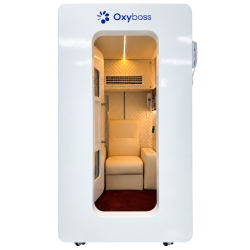
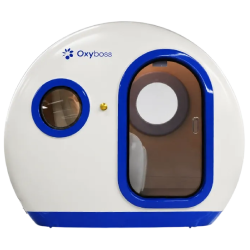
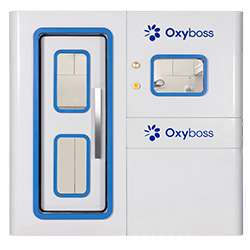
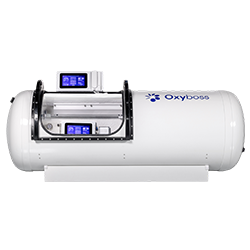
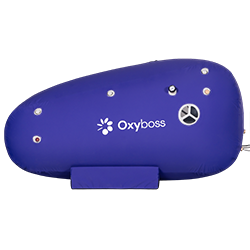
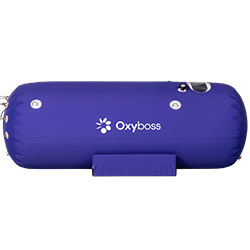
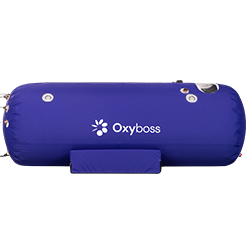
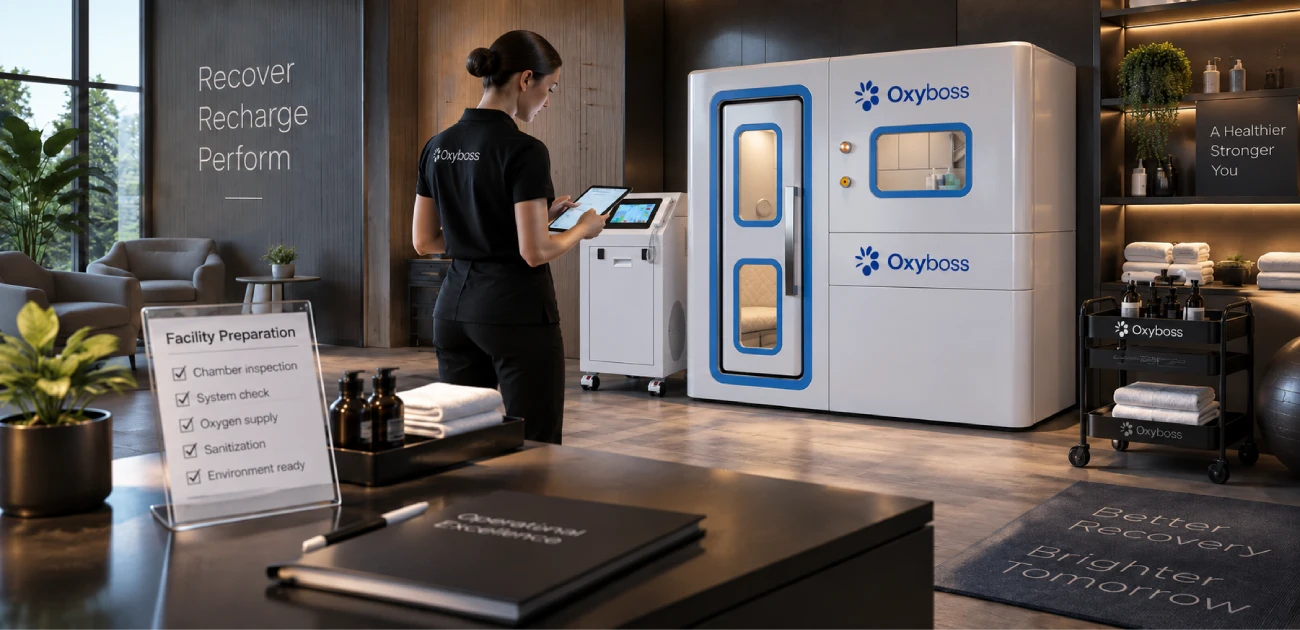
A form-first framework for wellness, recovery and sports facilities — covering 1.5 ATA soft chambers and 2.0 ATA hard chambers.
The bottom line up front
Two things make or break a hyperbaric facility, and neither of them is the chamber:
- Who's in the room when the pressure goes up. Not a customer. A trained operator who knows what to do when the lights flicker, when the zipper snags, when the person inside says their ear hurts.
- The paper trail when something goes wrong. When a fire marshal shows up, when a customer complains, when a regulator asks questions — your onboarding records are either your defense or your liability. There's no middle.
If you're reading this because you're about to open a wellness studio, a recovery lab, or a sports performance center with a soft-side chamber at 1.5 ATA or a hard-shell at 2.0 ATA, this guide is built for you. It's not built for hospitals. We cover the clinical standards at the end, clearly marked, so you know what's there if you ever need it.
What you'll get from this page
- A four-role staffing model that works when you only have two or three people on shift
- A week-by-week training timeline (W1 → W2–4 → W5–12 → 3–12 months)
- The 6 capability domains every operator must master before going solo — with the specific fields your checklist has to capture
- A 9-card breakdown of how onboarding differs by chamber type, with the things only equipment makers can tell you
- A downloadable onboarding pack: competency checklist, role matrix, intake script, emergency drill scripts
What's deliberately not here
- Treatment claims. We don't make them. The FDA reminded operators in August 2025 that hyperbaric chambers are Class II medical devices, that some treatment claims are unproven, and that operators must follow manufacturer instructions and provide proper training. We agree, and that shapes everything below.
- Pricing. Ask for a quote. Distributor pricing isn't published here for a reason.
1. Before you turn the key: staff your facility first
Most operators buy the chamber, then scramble to train people. That order is backwards, and it's the single most common cause of incidents.
Four roles, not four job titles
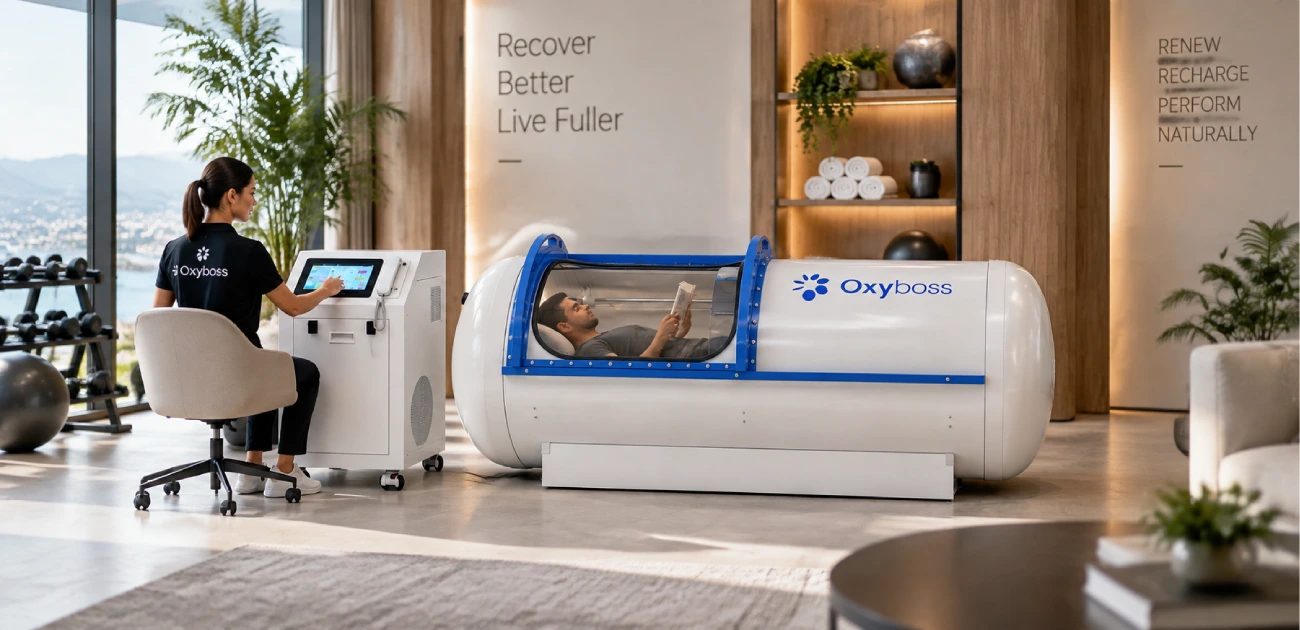
In a small facility, the same person may wear multiple hats. That's fine. What's not fine is having no one assigned to a role at all. The four roles that have to be covered on every shift:
Two operators minimum on every session, one of them outside the chamber maintaining contact. That's the floor. The most common staffing ratios in published international guidance recommend a minimum of two outside the chamber, two operators (or one operator plus a supervisor) for multiplace chambers, and no single operator monitoring more than two single-occupancy chambers at once. These are guidance numbers, not U.S. federal law — confirm what's required in your jurisdiction with your local authority having jurisdiction (AHJ), typically the fire marshal or state health department.
Why you can't run on one enthusiastic person
It feels like it works. Then that person gets the flu, takes a vacation, or quits, and suddenly no one knows where the fire extinguisher is, how to do a grounding check, or what counts as a session-stopping event. Build your team so that losing any one person doesn't break the operation. That's not a luxury — it's basic risk management.
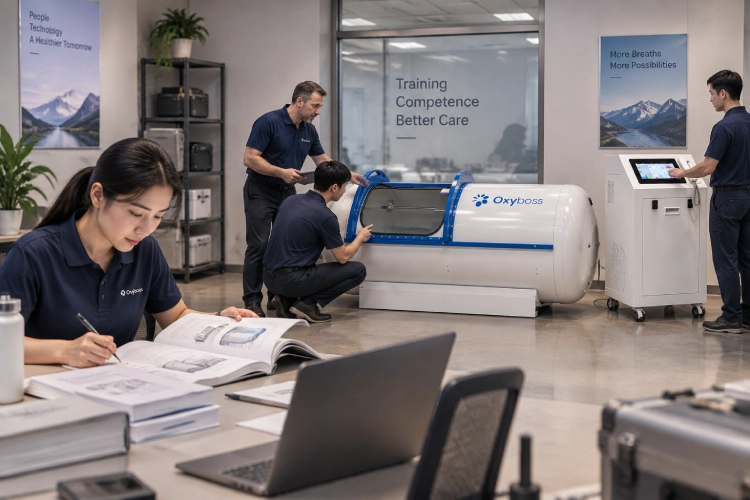
2. The 90-day onboarding timeline
Don't think "training week." Think "training that takes most of three months, plus a year of supervised practice underneath it."
There are two timelines running side by side. They aren't the same:
- Structured training (classroom + simulation + supervised practice): ends in about 12 weeks.
- Clinical-style supervised hours (real sessions, signed off on real equipment): typically 6 months full-time, 12–18 months part-time, before someone is genuinely independent.
Confusing these two is why facilities say "they're trained" when what they mean is "they finished the course."
Block out training time on the schedule. Don't fill the calendar with billable sessions first and squeeze training into the gaps. Training that gets cut for revenue isn't training.
3. The 6 capability domains — what every operator must master
This is where the page earns its keep. Most onboarding checklists you'll find online are a list of topics. Yours has to be a list of behaviors you can observe and sign off on. Below are the 6 domains that matter, in the order they matter. Each one comes with the specific failure modes we've seen (or read about in incident reports).
Domain 1 — Chamber operation and pressure control
The operator knows the IFU cold: rated pressure for your chamber (1.5 ATA for soft-side, 2.0 ATA for hard-shell), how to start a session, how to stop it, how to abort it. They can read the pressure gauge. They know the difference between a slow leak and an equipment fault. They know which alarms they can clear and which require stopping the session and venting.
The most common mistake here is over-reliance on the automatic relief valve. It's there for safety, not for managing normal operation. If you're seeing the relief valve crack open during every session, something is wrong upstream.
Domain 2 — Oxygen safety, static electricity, and what's allowed inside
This is where incidents happen. In January 2025, a 5-year-old died in a chamber fire at a Michigan wellness center. The charges against the owner and three employees included failure to use grounding straps to discharge static electricity and allowing the child to enter wearing clothing of unverified fabric. A few months later, an Arizona operator died in a similar fire.
The checklist for this domain has to be physical, not theoretical:
- Ground check before every session. A grounding strap or wrist strap for the occupant. Verified by the operator. Logged.
- Clothing material check. Cotton only. No wool, no synthetics, no fleece. The operator checks before zipping up.
- No electronics, no petroleum products, no hand warmers, no lighters, no metal objects with batteries. Build a visible prohibited-items list at the intake desk.
- O2 concentration awareness. At 1.5 ATA inside a soft chamber, oxygen concentration is elevated relative to room air. Handle the inside of the chamber as an enriched-oxygen environment from the moment you start the session.
This is not paranoia. This is the lesson two families paid for.
Domain 3 — Pre-session screening, informed consent, and the medical referral line
In a clinical setting, a physician screens the patient. In a wellness facility, you are the screener. Build a short questionnaire — one page, plain language — that asks about:
- Ear or sinus conditions (can't equalize pressure = can't safely use the chamber)
- Recent ear surgery
- Pregnancy
- Active respiratory infection
- Implanted devices (pacemaker, cochlear implant)
- Severe claustrophobia
- Any current medical treatment, especially chemotherapy with bleomycin or doxorubicin
If the answer to any of these is "yes" or "unsure," the operator's job is to refer the person to their physician and document that referral. Don't accept "it's probably fine." Have them come back with a doctor's note.
Then a one-page informed consent they sign. It covers: this is a pressurized oxygen session, not a medical treatment; you should not use this in place of medical care; if you feel unwell during the session, tell the operator immediately. Keep signed copies for at least three years.
The medical referral line is your single most important piece of liability control. It's also the line that separates you from the wellness operators who got shut down in multiple states for off-label claims.
Domain 4 — In-chamber monitoring and session documentation
The operator stays in voice or visual contact throughout. If they can't see the occupant through the window and can't hear them clearly, the session stops. No exceptions.
Documentation per session:
- Start time, end time, target pressure achieved
- Any anomalies (ear discomfort, equipment warning, ground strap issue, conversation breaks in contact)
- Operator name, occupant initials, chamber ID
- Pre-session ground check and prohibited-items confirmation — signed by operator, not just verbal
If a session has no document, it didn't happen.
Domain 5 — Emergency drills: timed evacuation and scenario list
Don't run "we talked about fire safety" once a year. Run drills. Real ones. On your actual chamber. With a stopwatch.
Drill scenarios that have to happen at least annually:
- Power loss during a session (for soft-side chambers: see Domain 6 below)
- Fire in the chamber area
- Occupant reports ear pain / can't equalize
- Occupant shows signs of oxygen toxicity (seizure, facial twitching, visual change)
- Equipment alarm, no clear cause
- Communication breaks down between operator and occupant
- Two operators — one becomes unable to function (illness, injury)
- Chamber fails to pressurize or depressurize normally
- Ground strap or grounding system fault detected mid-session
- Smoke or unusual odor in the room
- External emergency (fire alarm in the building, evacuation order)
Time each drill. The drill passes if the team can: detect the issue, communicate the stop, depressurize safely, remove the occupant, and reach the safe area within a target time that you set, document, and beat each drill.
For multi-operator facilities, add:
- Backup operator unavailable — solo operator handles a single-person emergency
- Two occupants in a double-occupancy chamber, both reporting discomfort
Domain 6 — Power loss and pressure loss: the soft vs hard chamber difference
This is the domain that's different for soft-side and hard-shell chambers, and it's the one most generic onboarding programs skip.
Soft-side chamber (1.5 ATA): When power fails, the chamber deflates. The occupant doesn't suffocate — air is still breathable, the chamber just collapses around them like a tent. But they can't get out without help because the zipper is under tension. The operator's job: stay calm, communicate verbally, manually assist the occupant out through the zipper from outside, then assist them to a seated position. Never try to unzip from inside while the chamber is under residual pressure — the zipper is designed to be operated from outside only.
Hard-shell chamber (2.0 ATA): Power loss doesn't mean pressure loss. The chamber stays pressurized. The operator has more time, but the occupant is sealed in. The sequence: confirm pressure is holding, switch to backup power if you have it, communicate with the occupant, follow your IFU's slow-depressurization protocol. Do not force-open the door. Do not attempt emergency decompression unless directed by the IFU and 911 dispatch.
Maintenance: from out-of-service back to return-to-service
When equipment goes down for any reason — a fault, a service interval, a damaged zipper, a contamination event — it doesn't go back into service because someone says it's fine. It goes through a documented return-to-service authorization:
- Issue identified and logged
- Equipment taken out of service (tagged, not just "off")
- Repair or replacement completed by qualified person
- Verification test on the actual installed unit (not a paper review)
- Authorization to return to service — signed by safety lead
- Returned-to-service log entry
This loop is what the UHMS accreditation framework calls a "return-to-service authorization," and it's the loop most small facilities skip. Don't.
4. The competency checklist — what it has to actually contain
A piece of paper saying "Trained on [date]" isn't worth the paper it's printed on. Here's what an audit-ready checklist looks like. These are the six fields every entry must capture. If yours doesn't have all six, your checklist is decoration.
A preceptor signing "worked chamber" without specifying which chamber, on which scenario, at which pressure, with which result — that's not a sign-off. That's a liability waiting to happen.
"Has a certificate" vs "can do it now" — they're different states
People who've done the 40-hour course and haven't been in a chamber for two years are not the same as people who've been running sessions last week. Your competency log has to distinguish between "trained once" and "currently proficient." For operators returning from extended absence (more than 60 days), require a re-check before solo duty. This is the single most common audit finding when facilities fail surveys.
Low session volume? Use simulation
If your facility does fewer than a few sessions per week, your operators won't get enough real-world reps. International service standards — notably the NHS England service specification for hyperbaric oxygen treatment — recommend each chamber operator complete a minimum number of treatments annually (around 10), with simulation permitted when case volume is low. That's a UK reference, not U.S. federal regulation. The U.S.-equivalent principle is simpler: an operator who hasn't touched a chamber in months is not current, regardless of what their certificate says.
Annual re-check
Once a year, every operator goes back through Domain 1–6 on the installed chamber with a preceptor. Drills included. Takes about half a day. Worth every minute.
When someone fails a sign-off
Have a written remediation path. Not "try again next month." Specify:
- What the gap was (in writing)
- What additional practice or study is required
- A re-check date
- Who authorizes return to solo duty
The document protects the operator as much as it protects you.
5. By chamber type: the two onboarding paths
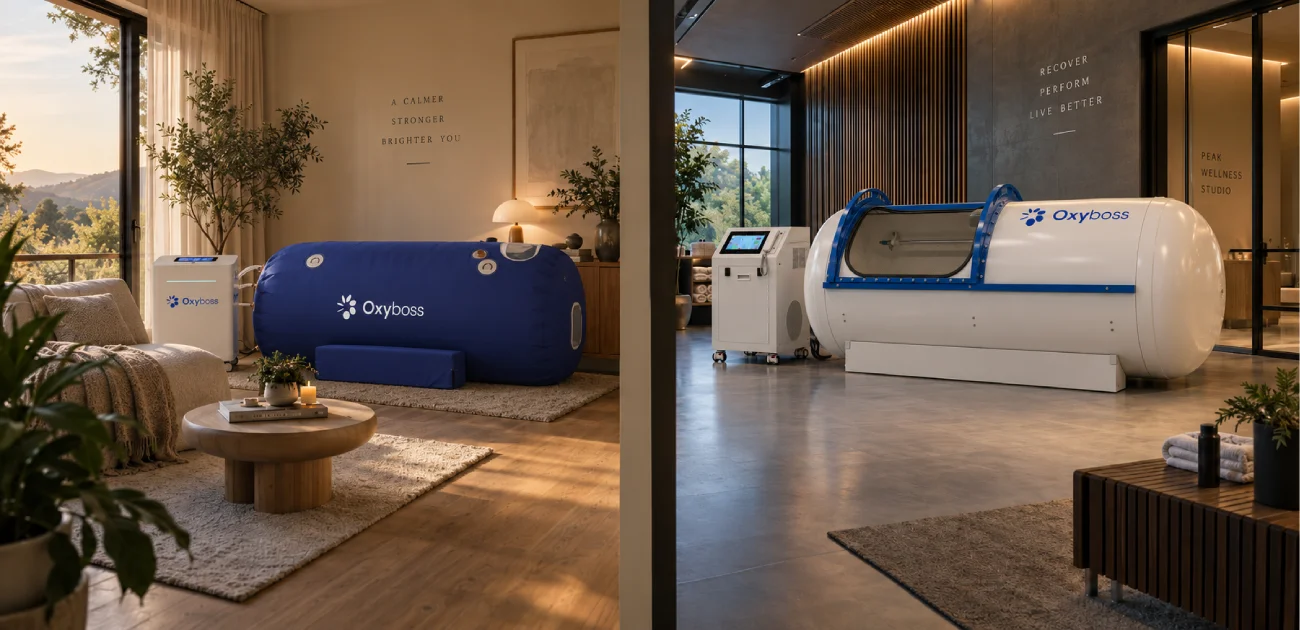
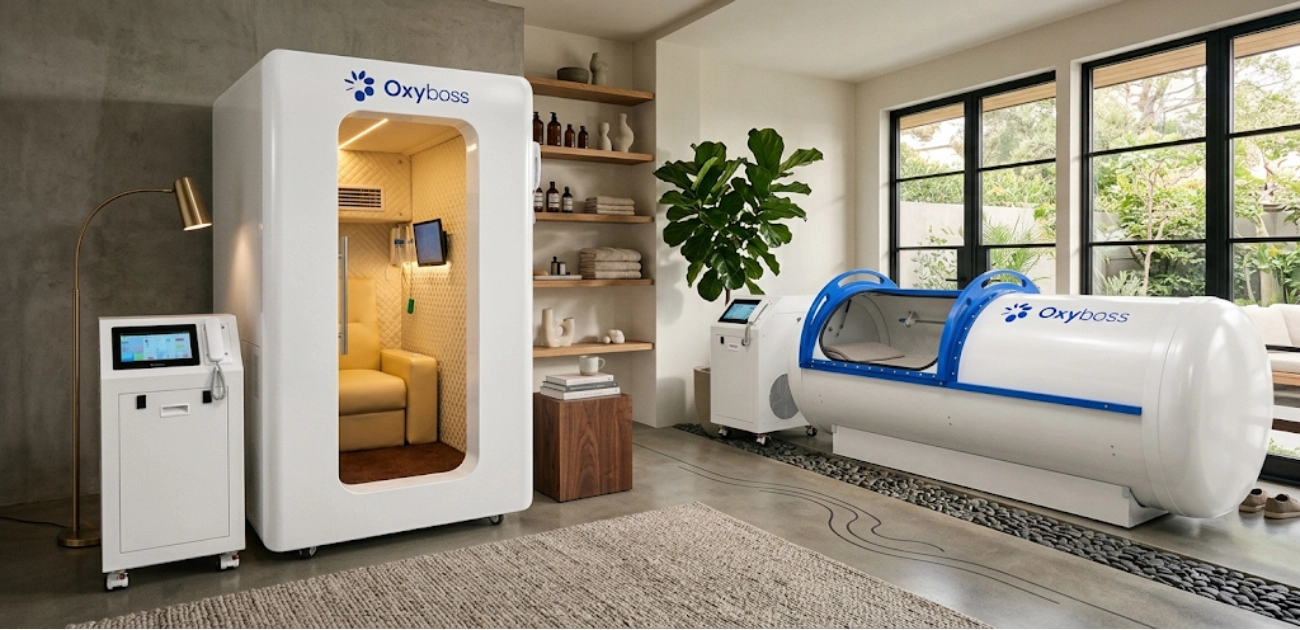
You wouldn't train a treadmill operator and a free-weight coach the same way. Same logic here. The onboarding for a 1.5 ATA soft-side chamber is not the onboarding for a 2.0 ATA hard-shell. The following are the two paths for Oxyboss equipment.
Path A — 1.5 ATA soft-side chambers (S15T, S158, S159)
The chamber is TPU with an external zipper. Pressure is moderate. The occupant is generally alone.
What the operator has to master that differs from hard-shell:
- Zipper seal inspection before every session. The zipper is the pressure seal. Damaged teeth, debris in the track, misalignment — any of these means the session doesn't start.
- Chamber structural check. TPU soft chambers flex and fold. Inspect seams, the inflatable frame (S15T has a triangle structure), and the floor for wear at fold points.
- Static-electricity protocol is non-negotiable. See Domain 2 above. Soft chambers concentrate static risk because the occupant is in direct contact with the fabric surface and the oxygen is concentrated.
- Power-loss drill is the headline drill. See Domain 6. This is the soft chamber's defining emergency.
- Storage and environment. The chamber folds. Where it folds, what it's exposed to, humidity, pets, sharp objects — all of this becomes an inspection risk if the chamber is set up from storage for a session.
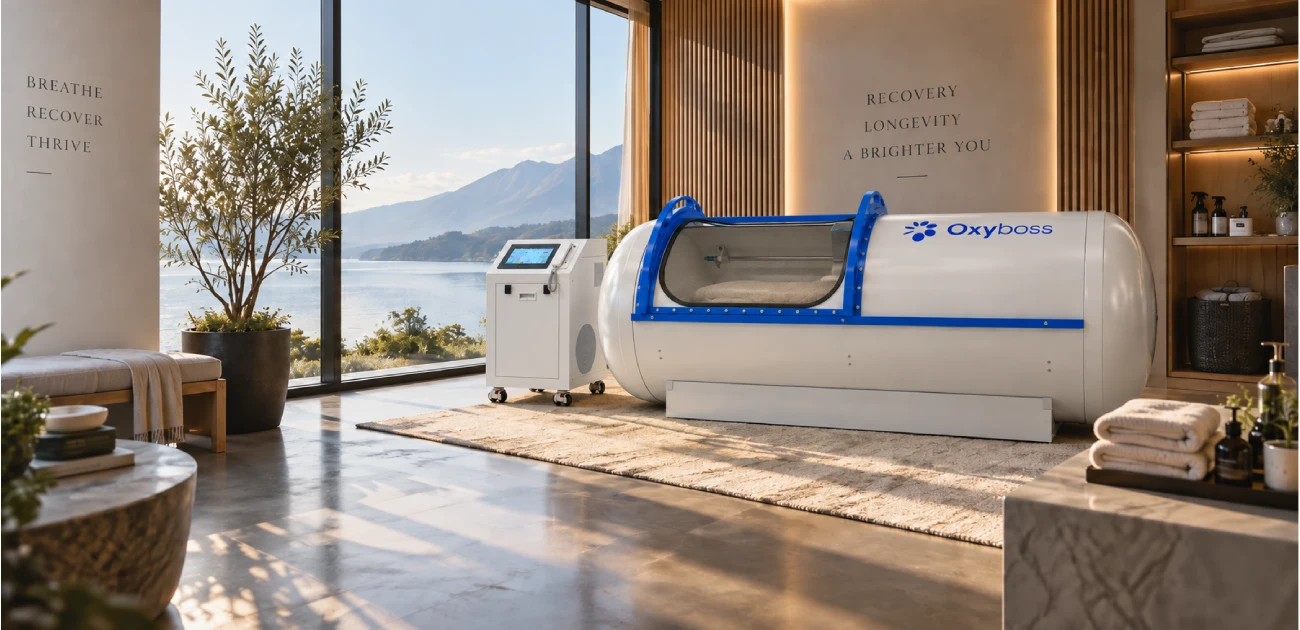
Path B — 2.0 ATA hard-shell chambers (H201, H301, H401, H402, H202)
The chamber is welded aluminum or steel. Pressure is higher. The operator works with chamber-specific safety interlocks, and the BIBS (built-in breathing system, available as an upgrade on most models) introduces an additional subsystem.
What the operator has to master that differs from soft-side:
- Door interlock and pressure equalization sequence. The door doesn't open until pressure is matched. The operator verifies this every session, not just "I assume it worked."
- The 3-in-1 vs 2-in-1 oxygen unit. The 3-in-1 integrates generation, pressurization and cooling; the 2-in-1 omits cooling. Operators must recognize alarm patterns specific to each — the failure modes aren't identical. The modular architecture means some components can be swapped by a qualified technician; operators don't swap components, but they must recognize when a swap is needed.
- Internal and external touchscreens. Most Oxyboss hard-shell units have dual control screens (inside and outside). Operators must understand the permission model: the occupant can request stop from inside, the operator must always be able to override from outside.
- Electric recliner or sofa (H401, H402). Operators must know how to manually return the chair to upright if power fails, and how to assist occupant exit if the chair fails in recline.
- For multi-occupancy units (H402): Two occupants means two simultaneous needs. The drill scenarios for this are in Domain 5 above.
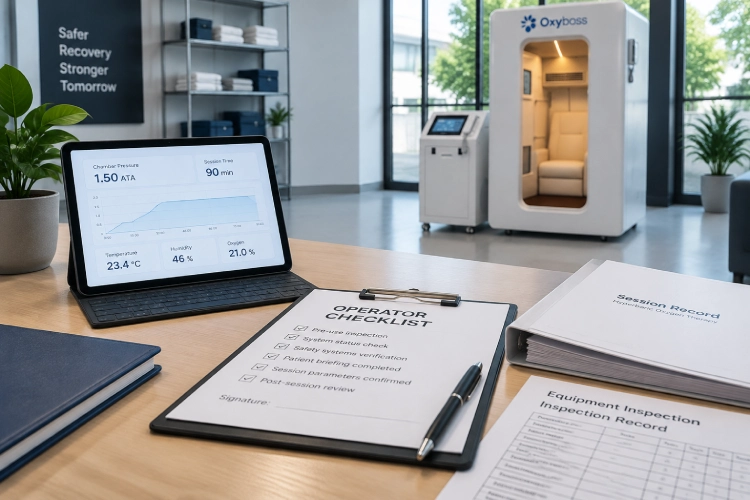
The BIBS upgrade changes the onboarding
If your chamber has the BIBS (built-in breathing system) upgrade, your operator has additional competencies:
- BIBS mask donning and seal check
- BIBS airflow failure recognition
- Switching from chamber atmosphere to mask-supplied oxygen
- Cleaning and disinfection of mask and circuit
Operators cannot be signed off as competent on a BIBS-equipped chamber unless they've demonstrated these on the installed unit. No exceptions.
Single vs double occupancy — the supervision difference
Single-occupancy chambers (S15T, S158, S159, H201S, H201M, H301, H401, H202): One operator outside the chamber is the minimum. The operator must remain in voice or visual contact throughout. If contact is lost, the session is aborted.
Double-occupancy chambers (H402, D201 in the cylinder line): Two occupants, two sets of risks. Operators must:
- Confirm both occupants' screening and consent independently
- Monitor both throughout, not alternate between them
- Know the prioritization order if both report discomfort simultaneously
- Have a documented protocol for extracting one occupant while the other remains under pressure (typically not done — depressurize fully, then assist both)
6. Documentation, inspections, and who actually decides what you need
The onboarding program isn't complete until the documentation is bulletproof and you know who's actually setting the rules for your facility.
What your onboarding file must contain
- The competency checklists for every operator (signed, dated, with the 6 fields)
- The role matrix — who fills which role on which shift
- The session log (or its database equivalent)
- The drill log — scenarios run, dates, pass/fail, times
- The maintenance and return-to-service log
- The IFU for your specific chamber model, with revision date
- The intake screening questionnaire, in the version you actually use
- The informed consent template, with revision date
- The prohibited-items list, posted visibly at the intake area
- The emergency contact list — internal, manufacturer, fire, EMS, building
Who actually decides what you need
In a hospital, it's UHMS, The Joint Commission, CMS. In a wellness, recovery or sports facility, the fire marshal and your state and local authorities decide what's required. This is not the same as "no rules." It's that the rule-maker is different.
In multiple states — Utah, Georgia, South Carolina, Idaho — fire marshals have ordered soft-side chamber operations to stop, often after incidents. The common findings: missing grounding protocols, missing fire suppression review, missing incident logs, missing staff training records.
Three things to check with your local authority before you open:
- Does your jurisdiction require any operator certification or license for running hyperbaric sessions?
- Does your facility need a fire inspection or certificate of occupancy specifically covering the chamber installation?
- Does your state classify the service you're offering as a medical service, a wellness service, or something else — and does that classification require any registration?
Don't take the answer from a competitor. Call the fire marshal. Call the building department. Call your state health department. Document who you spoke to and when.
Why old standards on the internet are dangerous
You'll find web pages — even some that look authoritative — citing NFPA 99 Chapter 20 for hyperbaric facilities. That's the 2012 and earlier chapter numbering. The current code is NFPA 99 Chapter 14, Hyperbaric Facilities. If your documentation references an outdated chapter, you've already got a version-control problem. Confirm the current edition adopted in your jurisdiction and write that down. NFPA codes are updated on a three-year cycle.
7. Cost, time, and how you know it's working
Five numbers to track so you know the program works
- Time to solo duty. Median weeks from hire date to first independent session. Trending up is a red flag.
- First-time sign-off pass rate. Percentage of operators who pass all 6 capability domains on the first attempt. Below 80% means your preceptor program or your training material needs work.
- Drill pass rate and time. Pass rate and time-to-safe-area for each drill scenario. Trending longer = the team is forgetting.
- Re-check pass rate after extended absence. Percentage of returning operators who pass re-qualification without remediation. A drop here means people are storing certificates they can't actually use.
- Documentation completeness rate. Percentage of sessions with a complete log entry (all fields). Anything below 95% means your intake process is broken.
- Incident rate per 1,000 sessions. Ground strap issues, abort events, near-misses. Above zero isn't always bad — under-reporting is the bigger risk. Track "no incidents reported" as its own metric.
Frequently asked questions
Do we need a license or permit to operate a wellness hyperbaric facility? Depends on your jurisdiction. Call your state health department and your local fire marshal before opening. Three questions to ask: do you need an operator certification, do you need a fire inspection specific to the chamber installation, and how does your state classify the service you're offering.
How long does onboarding actually take? About 12 weeks of structured training before the first solo session. Another 6–12 months of supervised practice before someone is genuinely independent. These timelines come from practical onboarding experience — they're not regulatory minimums.
What documentation should I keep for each operator? A competency checklist with all six fields per capability (date, operator initials, preceptor initials, chamber ID, scenario, pass/fail), plus training records, drill participation, and any remediation notes.
What about international certification? Oxyboss equipment is manufactured under ISO 9001 and ISO 13485 quality systems and carries CE marking for applicable European conformity. We don't claim certifications we don't hold. Always verify any specific certification claim against the issuing body's current register.
Can we just use a public YouTube playlist for training? You can supplement. You cannot substitute. The preceptor-based, installed-chamber, scenario-specific sign-off is what creates audit-ready competency. A video doesn't.
Appendix A — Downloadable onboarding pack
The following templates are provided to help you build your onboarding program. Each is a starting point — adapt to your installed equipment and your jurisdiction's requirements.
- Operator competency checklist — 6-field format for each of the 6 capability domains
- Role matrix template — safety lead, chamber operator, intake screener, backup operator, by shift
- Intake screening questionnaire — one page, contraindications in plain language
- Informed consent template — what the occupant agrees to, in plain language
- Prohibited-items checklist — physical handout, posted at intake
- Emergency drill scripts — the 13 scenarios above, with timing targets and pass criteria
- Return-to-service authorization form — for equipment coming back online after service or fault
- Session log template — pre-session ground check, start, anomalies, end
Appendix B — Glossary
- ATA (atmosphere absolute) — pressure relative to normal atmospheric pressure. 1.5 ATA = 1.5× normal pressure.
- AHJ (authority having jurisdiction) — the local body that enforces codes for your facility. Often the fire marshal, sometimes the building department, sometimes the state health department.
- BIBS (built-in breathing system) — an internal oxygen delivery system in some hard-shell chambers. Requires additional operator competencies.
- CHT / CHRN — Certified Hyperbaric Technologist / Certified Hyperbaric Registered Nurse. U.S. clinical credentials through NBDHMT.
- CMS — Centers for Medicare & Medicaid Services.
- IFU — Instructions for Use. The manufacturer's document for your specific chamber model. Read it.
- NBDHMT — National Board of Diving and Hyperbaric Medical Technology.
- NFPA 99 — National Fire Protection Association standard for health care facilities. Chapter 14 covers hyperbaric facilities.
- Preceptor — a trained operator who supervises a new operator's practice and signs off on capability.
- UHMS — Undersea and Hyperbaric Medical Society. The U.S. professional and accreditation body for hyperbaric medicine.
Appendix C — Sources cited
- FDA letter to hyperbaric chamber operators, August 2025 — federal reminder on manufacturer instructions, training, fire prevention
- FDA Hyperbaric Oxygen Therapy page — Class II device status, unproven-claims warning
- NFPA 99 Health Care Facilities Code, Chapter 14 (2024 ballot draft) — hyperbaric facility requirements
- UHMS facility accreditation — what surveyors look for — onboarding, drills, documentation
- UHMS-approved introductory courses — 40-hour course requirements
- UHMS MedFAQs — standards and codes — NFPA staffing language
- NBDHMT CHT resource manual (February 2026) — clinical hour and preceptor requirements
- CMS National Coverage Determination 20.29 — hyperbaric oxygen therapy documentation
- Detroit Free Press / USA Today — Michigan chamber fire and FDA response — incident details and regulatory follow-up
- Idaho Statesman — Meridian cease-and-desist letters — state enforcement against off-label soft chamber operations
- NHS England service specification for hyperbaric oxygen treatment — international reference for annual operator treatment volume
Disclaimer
This page describes a staff onboarding framework for hyperbaric facilities. It is not medical advice and does not constitute a certification or approval of any specific equipment. The clinical standards referenced in §8 are U.S. clinical facility standards, applicable to facilities operating as medical providers — not to wellness, recovery or sports facilities. Always verify current requirements with your local authority having jurisdiction (typically your fire marshal and state health department) before opening or modifying your facility. Oxyboss equipment is manufactured under ISO 9001 and ISO 13485 quality systems and carries CE marking; this page is not a substitute for the Instructions for Use that ship with your specific chamber model.