.svg)
.svg)
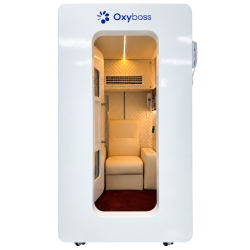
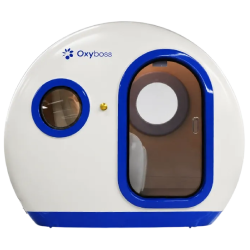
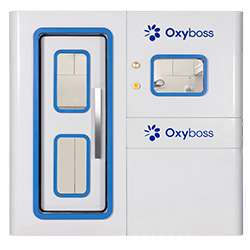
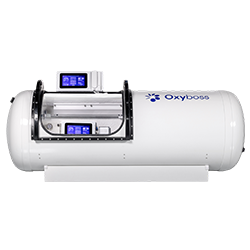
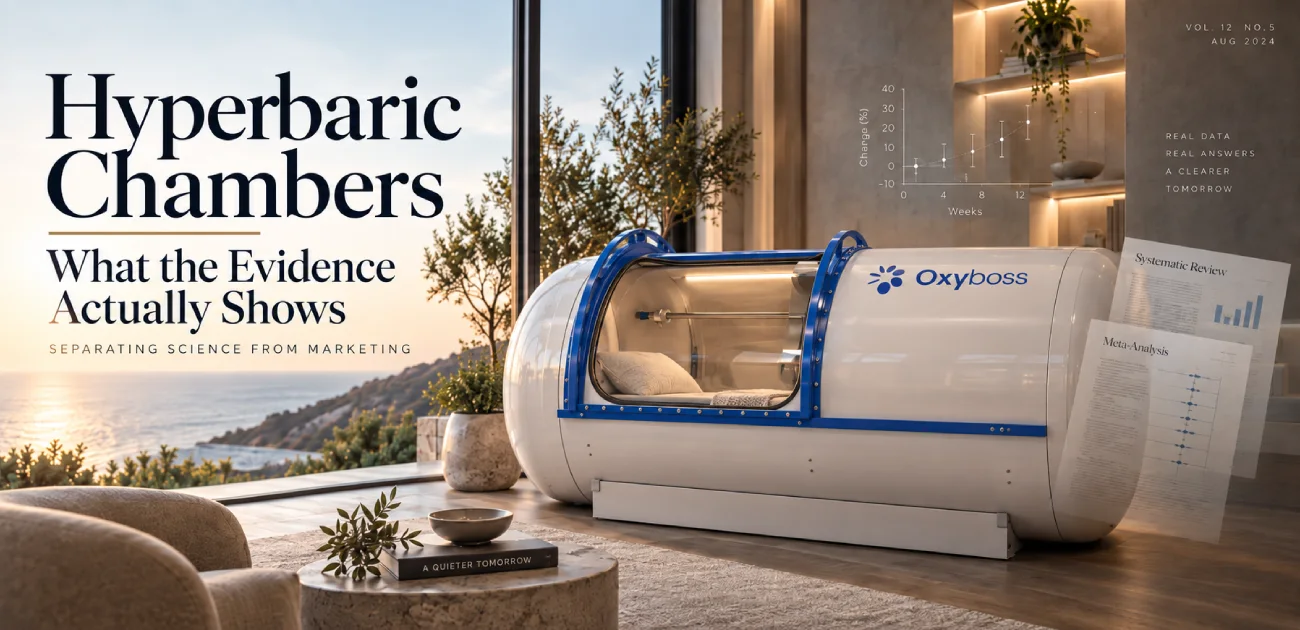
If you've Googled hyperbaric chambers, you've probably seen two very different stories.
On one side: clinics and manufacturers promising it'll reverse aging, supercharge recovery, and fix everything from brain fog to long COVID.
On the other: hospitals saying most of those claims are unproven, and the only legitimate uses are for serious medical emergencies like decompression sickness or carbon monoxide poisoning.
We make chambers. We also think you deserve the version that's actually honest.
So here's what the science really says — what has solid backing, what's still early, and what's just marketing noise. We'll walk you through the evidence, the gaps, and the stuff no one else wants to tell you.
First: Medical HBOT vs. Mild Hyperbaric Chambers — They're Not the Same Thing
This matters more than anything else in this article.
When the FDA clears hyperbaric oxygen therapy for specific medical uses, they're talking about medical-grade HBOT — pressures of 2 to 3 atmospheres absolute (ATA), 100% pure oxygen, delivered in a hospital or clinic under a physician's prescription.
The FDA has cleared HBOT for a specific list of conditions:
- Decompression sickness (the bends)
- Carbon monoxide poisoning
- Gas gangrene and necrotizing infections
- Diabetic foot ulcers (severe, ischemic, treatment-resistant cases)
- Radiation tissue injury
- Crush injuries and compartment syndrome
- Compromised skin grafts
- Chronic bone infection
- Air or gas embolism
- Severe anemia when transfusion isn't possible
- Sudden hearing loss or vision loss from retinal artery blockage
- Thermal burns
- Brain abscess
That's medical HBOT. It requires a doctor. It happens in a medical facility. It's for people with serious conditions.
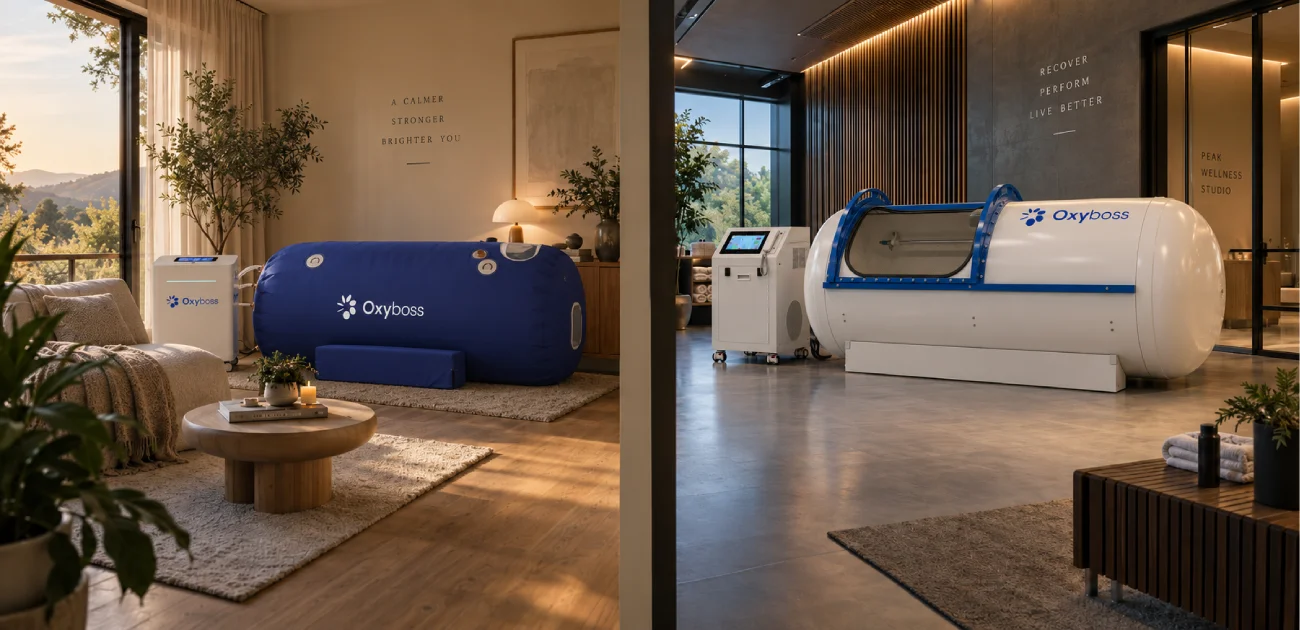
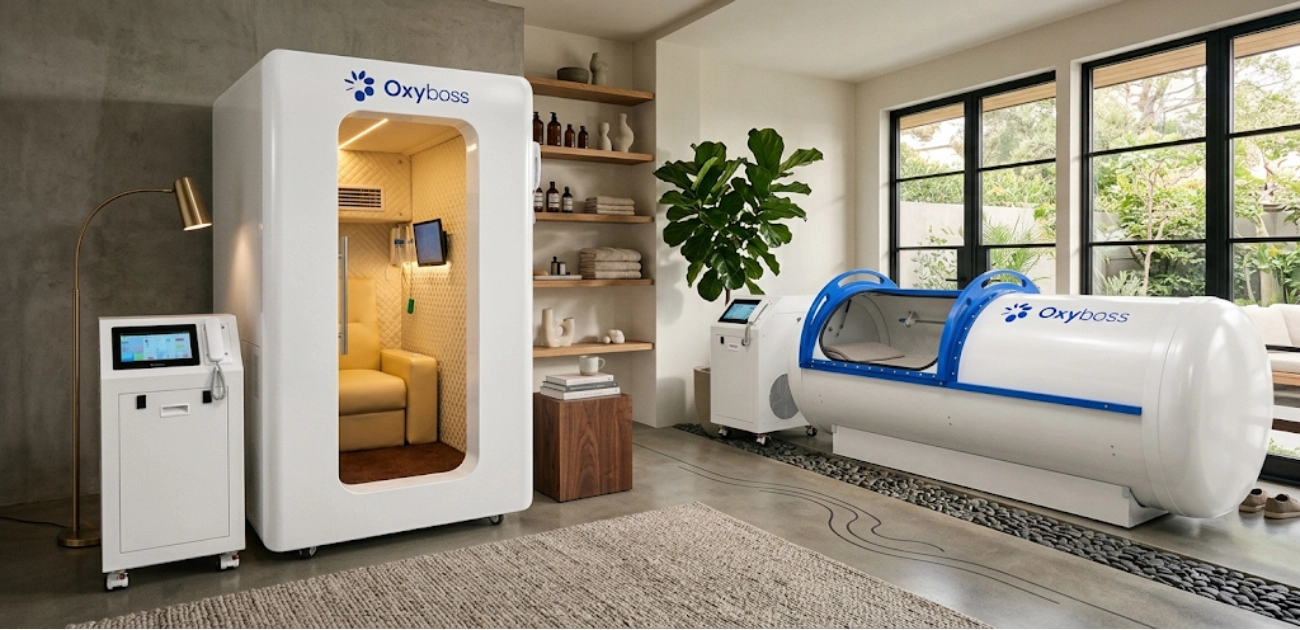
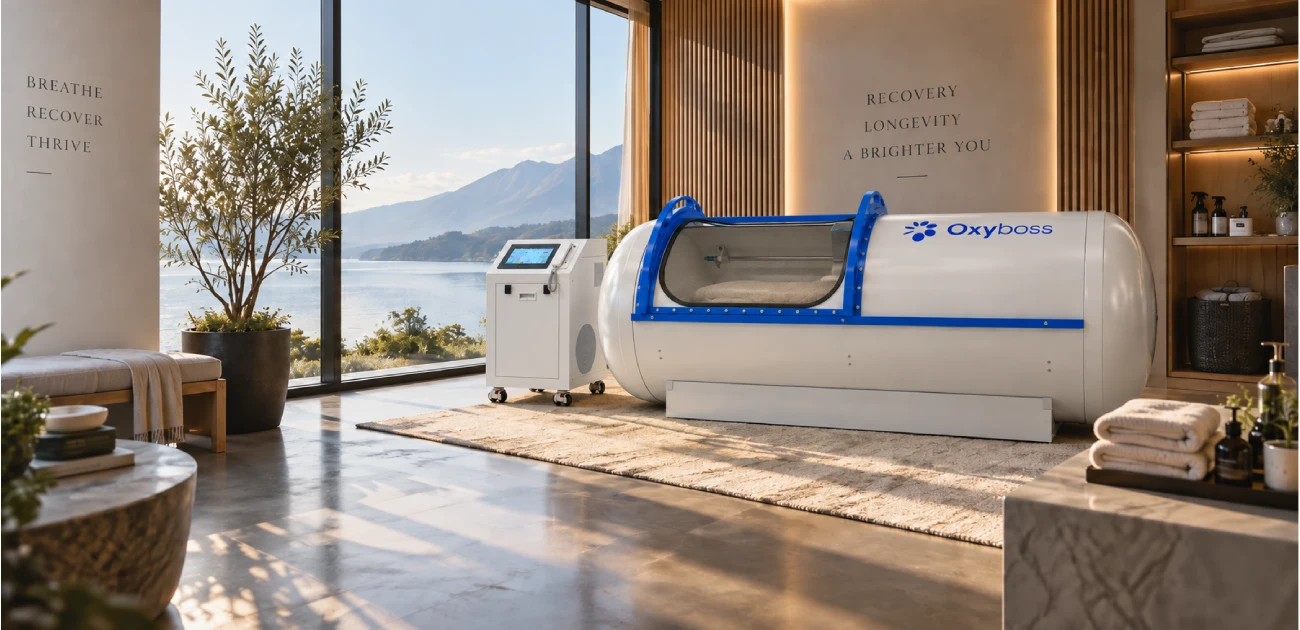
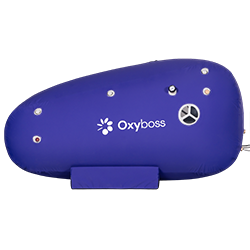
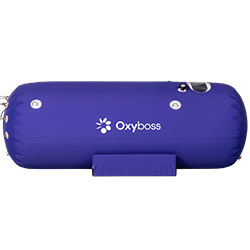
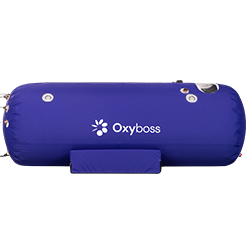
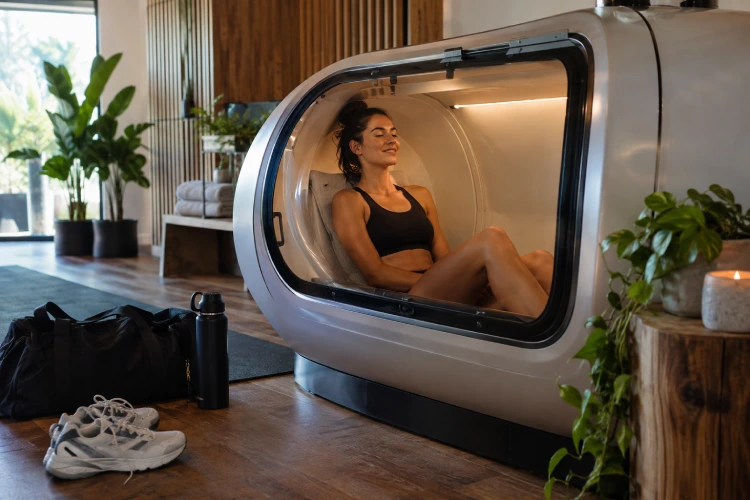
The chambers we build — and most personal or home chambers on the market — are a different category entirely. They operate at lower pressure (typically 1.3 to 1.5 ATA), use ambient air or oxygen-enriched air (not 100% oxygen), and are designed for general wellness and recovery support in healthy people.
We are not a medical device. We don't replace medical care. We'll never pretend otherwise.
If you're hoping a chamber will address a diagnosed medical condition, please stop reading and talk to your doctor instead. If you're a healthy person curious about recovery, relaxation, and general well-being, keep going.
Why Mild Pressure Isn't "Doing Nothing" — But the Evidence Is Still Catching Up
Here's something most articles skip over: in clinical trials of medical HBOT, researchers often use a "sham" control group. That group gets pressurized room air at 1.2 to 1.3 ATA — basically what a mild chamber does.
And guess what? Even the sham groups often showed measurable physiological changes — improvements in blood oxygen, circulation, or subjective symptoms. That means mild pressure isn't biologically inert. It's doing something.
The science behind it: even moderate pressure increases dissolved oxygen in your blood plasma (not just what's bound to red blood cells). That extra oxygen can reach tissues, support cellular energy production, and potentially influence circulation and the body's relaxation response.
But — and this is critical — most of the hard evidence we have comes from studies done at higher, medical-grade pressures. Direct research on mild hyperbaric chambers is still limited. So while the mechanism makes sense, we're in "plausible but not yet proven" territory for a lot of wellness claims.
Honesty means saying it: if someone's selling you a mild chamber and citing medical HBOT studies as proof it works the same way, they're overstepping the data.
What the Evidence Actually Says About Wellness Uses — Claim by Claim
Let's go through the big ones. For each, we'll tell you what the research shows, where the gaps are, and what that means in plain language.
Athletic Recovery & Performance
The claim: Chambers speed up recovery after training, reduce muscle soreness, and improve endurance or strength.
What the evidence says: Mixed at best. A double-blind study in football players found no meaningful improvement in biochemical markers of muscle damage or objective performance after a single session — just a possible bump in perceived recovery. Broader reviews say effects on speed, strength, and endurance remain inconclusive.
Our take: Plenty of athletes report feeling better and recovering faster. That's real to them, and subjective recovery matters. But don't expect it to work like a performance-enhancing drug. If it helps you feel fresher between sessions, great. If you're chasing podium-level gains, the evidence isn't there yet.
Anti-Aging, Telomeres, and "Cellular Rejuvenation"
The claim: Hyperbaric therapy lengthens telomeres, clears out senescent cells, and reverses biological aging.
What the evidence says: Small studies have reported changes in biomarkers like telomere length and senescent cell levels in older adults. A 2024 study found modest improvements in VO₂ max and cardiac measures, but participants weren't blinded and the control group did nothing.
Those biomarkers are interesting, but they're lab endpoints — not proof you'll live longer, feel younger, or stay healthier. The aging research community itself notes the studies are small, protocols vary widely, and long-term outcomes are uncertain.
Our take: If someone's telling you a chamber will "reverse your biological age," they're selling fiction. The biology is intriguing. The science is early. The marketing is way ahead of the data.
Sleep, Energy, and Mood
The claim: Regular sessions improve sleep quality, boost daily energy, and support emotional balance.
What the evidence says: Small studies and user reports suggest possible improvements, but rigorous, large-scale evidence is limited. Some research ties increased oxygen delivery and pressure changes to activation of the parasympathetic (rest-and-digest) nervous system, which could plausibly support relaxation and sleep.
Our take: A lot of people report feeling more rested, calmer, and clearheaded after consistent use. That's subjective wellness — the kind that doesn't always show up in a lab test but matters to real life. We take those reports seriously. Just know it's not a proven medical intervention.
Brain Health and Cognitive Function
The claim: Chambers enhance memory, focus, and brain repair.
What the evidence says: Here's where it gets complicated.
At medical pressures, studies on traumatic brain injury (TBI) show mixed results. Some trials report reduced mortality but no clear improvement in quality of life for survivors. For chronic mild TBI and post-concussion symptoms, sham-controlled trials like HOPPS found no advantage over placebo. The VA/DoD clinical guideline recommends against HBOT for persistent mild TBI symptoms.
For mild chambers specifically? There's no direct evidence.
Our take: If you have a diagnosed brain condition, this isn't the tool for it — see a neurologist. If you're a healthy person and feel sharper or more focused after sessions, we're not going to dismiss your experience. But we're also not going to claim we're fixing your brain.
Long COVID and Recovery from Illness
The claim: Chambers help people recover from lingering post-viral symptoms.
What the evidence says: Some small studies on post-COVID symptoms have reported improvements in fatigue, brain fog, and quality of life after repeated hyperbaric sessions. But those studies used medical-grade pressure and protocols, and more research is needed before anyone can say it's a validated approach.
Our take: If you're dealing with ongoing health issues after an illness, that's a medical question — talk to your doctor. We're not a substitute for medical care, and we're not going to claim we address post-illness recovery.
Risks and Safety — We Won't Hide Them
If a brand tells you their product has no downsides, don't trust them.
Hyperbaric chambers — even mild ones — come with real considerations:
Ear and sinus discomfort. As pressure increases, you'll feel it in your ears, like taking off in a plane. Most people equalize by yawning, swallowing, or gently blowing with their nose pinched. But if you have sinus congestion, a recent ear infection, or structural issues, it can be uncomfortable or even cause barotrauma (pressure injury).
Claustrophobia. You're in an enclosed space for 60 to 90 minutes. Some people find it relaxing; others feel anxious. If you have claustrophobia, this might not be for you.
Fire risk. Oxygen-enriched environments are more flammable. That's why chambers have strict safety protocols — no electronics, lighters, or flammable skincare products inside. Reputable manufacturers include fire suppression systems and meet pressure vessel safety standards.
Who shouldn't use a chamber:
- People with untreated pneumothorax (collapsed lung) — this is an absolute contraindication
- Recent ear surgery or ear trauma
- Active respiratory infections or fever
- Certain lung conditions (emphysema, untreated asthma)
- Pregnant individuals
- Young children (without medical supervision)
Systematic reviews of clinical trials report that about 30% of HBOT participants experience some kind of adverse event (compared to 10% in control groups), with ear and eye discomfort being the most common. Serious complications — like oxygen toxicity seizures or lung injury — are rare, especially at lower pressures.
We publish our safety certifications. We design chambers to meet pressure vessel standards. And we're upfront about who shouldn't use them. That's how you build trust.
When You Shouldn't Buy a Chamber (Yes, Really)
Most companies will sell to anyone. We'd rather be honest.
Don't buy a chamber if:
- You're hoping it will treat a medical condition. If you have a diagnosed illness or injury, you need medical care — not a wellness device. Chambers aren't medicine.
- You have one of the contraindications above. Especially untreated pneumothorax or severe lung disease. It's not safe.
- You think it's a shortcut. Sleep, nutrition, stress management, and movement come first. A chamber isn't a magic fix for a broken lifestyle.
- Money is tight. Chambers are an investment. If you're stretching financially, focus on fundamentals first. There are cheaper ways to support your health.
- You're buying based on influencer hype. If someone's promising it'll cure your brain fog, reverse aging, or replace medical treatment — run. That's not how this works.
If you're healthy, you've done your research, you understand what the evidence does and doesn't say, and you're genuinely curious about recovery and relaxation support — then yeah, maybe a chamber makes sense for you. But only you can make that call.
FAQs
Is this the same as the hyperbaric oxygen therapy hospitals use?
No. Medical HBOT uses 2-3 ATA pressure, 100% oxygen, and treats specific conditions under physician supervision. Mild chambers operate at lower pressure (1.3-1.5 ATA), use ambient or oxygen-enriched air, and are designed for general wellness in healthy people.
How long does each session take?
Most sessions run 60 to 90 minutes. You can relax, read, listen to music, or even nap.
How often should I use it?
There's no one-size-fits-all answer. Some users go daily, others 3-4 times per week. Consistency matters more than intensity.
Can pregnant women use a mild chamber?
No. Pregnancy is a contraindication. The effects of altered pressure and oxygen levels on fetal development aren't well studied, and safety hasn't been established.
Will this help me recover from [specific condition]?
If you're asking about a diagnosed medical condition, the answer is: talk to your doctor. We're not a medical device. We don't diagnose, treat, or cure diseases.
What's the difference between a "soft" chamber and a hard chamber?
Soft chambers are inflatable and portable; hard chambers are rigid-shell designs. Both can be safe if properly certified. However, the FDA has warned about improvised or uncertified devices, especially zippered oxygen bags and makeshift setups. Stick with chambers that meet recognized safety standards.
Do I need a prescription?
For wellness chambers operating below 1.5 ATA, no prescription is required in most jurisdictions. But you should consult a healthcare provider if you have any health concerns before using one.
The Bottom Line
Hyperbaric chambers aren't magic. They're not medicine. And they're definitely not a cure-all.
But for healthy people interested in recovery, relaxation, and general wellness, there's enough plausible biology and early evidence to make them worth considering — as long as you go in with realistic expectations and a clear understanding of what's proven and what isn't.
The strongest evidence sits with medical HBOT at higher pressures for serious conditions. For mild chambers in wellness contexts, we're in "promising but still early" territory. Some people feel real benefits. Some don't. The science is catching up, but it's not there yet.
What we can say: mild pressure does produce measurable physiological effects. The safety profile is generally good if you follow guidelines and screen out contraindications. And if you approach it as a tool for relaxation and recovery support — not a medical intervention — you're starting from the right place.
We'd rather you make an informed choice than a hyped-up one. And if that means you decide a chamber isn't for you, we're fine with that. Honesty is more valuable than a sale.
Medical Disclaimer
This content is for general informational and educational purposes only. It is not medical advice, and it should not be used to diagnose, treat, cure, or prevent any disease or health condition.
If you have a medical condition, are pregnant, have recently had surgery, or have any health concerns, consult a qualified healthcare provider before using a hyperbaric chamber.
The chambers we manufacture are not medical devices. They have not been evaluated or cleared by the FDA for the treatment of any medical condition. The FDA-cleared indications for hyperbaric oxygen therapy apply only to medical-grade HBOT delivered in clinical settings under physician supervision.
Use of a mild hyperbaric chamber is at your own risk. Always follow the manufacturer's safety instructions and contraindication guidelines.
References:
This article is informed by peer-reviewed research, government health agencies, and leading medical institutions, including:
- U.S. Food and Drug Administration (FDA) — Hyperbaric Oxygen Therapy: Get the Facts
- Undersea and Hyperbaric Medical Society (UHMS)
- Cochrane systematic reviews on HBOT
- VA/DoD Clinical Practice Guideline on Traumatic Brain Injury
- Johns Hopkins Medicine — Hyperbaric Oxygen Therapy
- Mayo Clinic — Hyperbaric Oxygen Therapy
- Harvard Health Publishing — Evidence-Based Uses and Unproven Claims
- Cleveland Clinic — Hyperbaric Oxygen Therapy