.svg)
.svg)
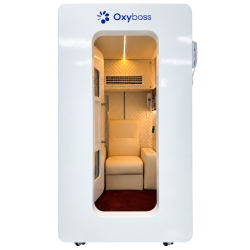
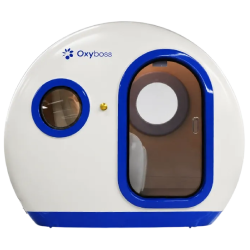
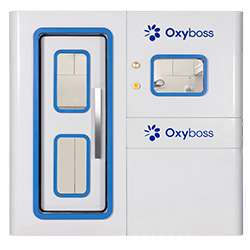
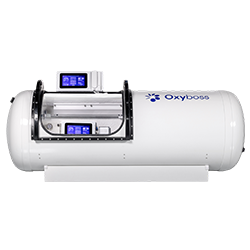
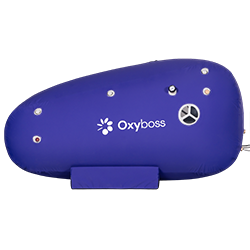
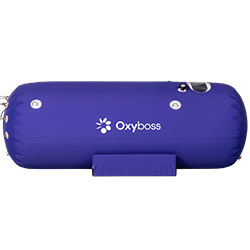
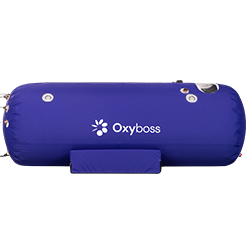
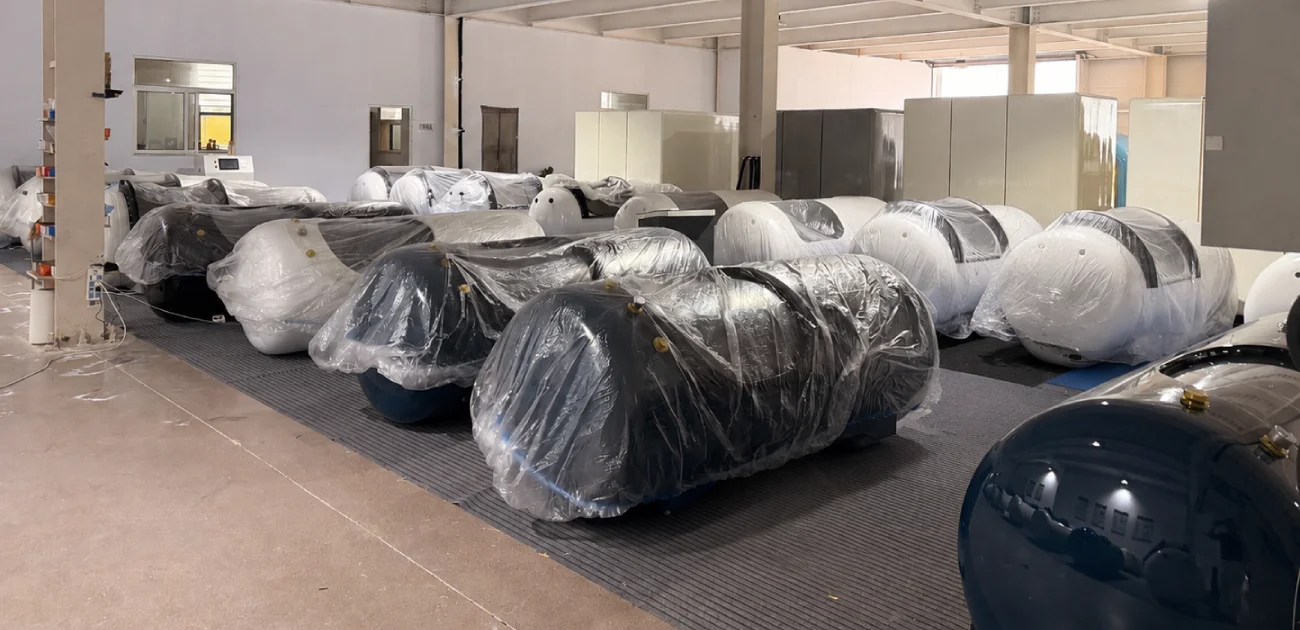
When you're sourcing hyperbaric chambers for your wellness center, spa, recovery studio, or distribution business, two numbers come up in every conversation: MOQ (minimum order quantity) and lead time. But here's the problem—most suppliers throw out numbers like "MOQ 1" or "30 days" without explaining what those numbers actually mean.
Does MOQ 1 mean you can order a single fully custom chamber with your branding, pressure spec, and control panel layout? Does 30 days mean the chamber is ready to use, or just ready to leave the factory? And what happens when you need 10 units instead of one, or want to add your logo and packaging?
This guide breaks down how MOQ and manufacturing lead times actually work in the hyperbaric chamber industry. We'll walk through what drives these numbers, where the confusion comes from, and how to ask the right questions so you can plan your purchase or distribution timeline with confidence.
What Does MOQ Actually Mean?
MOQ 1 Does Not Always Mean MOQ 1
Most soft-shell and hard-shell chamber suppliers will tell you their MOQ is 1 unit. That's true for standard stock models—chambers that already exist in their production lineup with established tooling, materials, and testing procedures.
But if you want to change the pressure rating, modify the dimensions, swap out the control system, or build a completely new chamber design, that's no longer a standard order. It's an engineering project, and it comes with different terms.
Here's how MOQ breaks down by order type:
When a supplier says "MOQ 1," ask: Does that apply to a standard model only, or can I customize the chamber and still order one unit?
Most factories are happy to build one custom unit—but the pricing, lead time, and deposit terms will be different from a standard order.
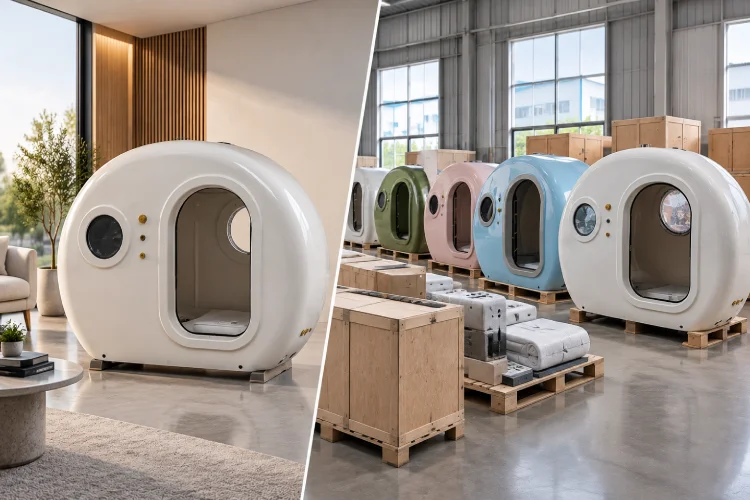
OEM and Private-Label Orders Usually Have Higher MOQs
If you're building a branded product line, most manufacturers require a higher MOQ. That's because branding involves more than slapping a logo on the chamber. You're asking the factory to:
- Print custom manuals in your language
- Create branded packaging and cartons
- Source or print labels and decals
- Possibly adjust colors, stitching, or materials
- Handle extra documentation for your target market
Some suppliers start OEM programs at 10 units. Others negotiate case-by-case. If the supplier has a platform they've already customized for other brands, they might accept smaller batches. If they're building something new for your spec, expect a higher MOQ or a higher unit price for small runs.
Bottom line: MOQ depends on how much engineering, tooling, and documentation work your order requires. Stock models are easy. Custom projects take more commitment from both sides.
What Does Lead Time Actually Mean?
Lead Time Has Four Different Definitions
When a supplier quotes a lead time, they might mean any of these:
- Production lead time — how long it takes to build the chamber
- Dispatch lead time — how long until it's packed and ready to ship
- Transit time — how long the chamber spends in shipping
- Total time to operation — how long until it's installed, tested, and ready to use
A supplier in China might say "30 days," but that could mean:
- 30 days from deposit to factory completion
- 30 days from deposit to loading onto a ship
- 30 days not including ocean freight (add 25–40 days for sea shipping)
- 30 days not including customs clearance, unloading, or installation
Unless the supplier breaks it down, you're guessing.
When Does the Clock Start?
Lead time also depends on when the countdown begins. Does it start when you:
- Pay the deposit?
- Approve the final specifications?
- Sign off on technical drawings?
- Confirm branding artwork and packaging?
- Provide certification documents for your market?
For standard models, most suppliers start the clock when they receive your deposit. For custom or OEM orders, the clock usually starts after you approve drawings, branding files, and final configuration—which can add 1–3 weeks before production even begins.
Key question to ask: When does your lead time start, and what does it include?
How Lead Time Changes by Chamber Type
Soft-Shell Chambers (1.3–1.5 ATA)
Soft-shell chambers are the fastest to produce because they use fabric, zippers, and TPU materials that don't require welding or pressure-vessel certification.
Soft chambers are usually available at MOQ 1 for standard models. OEM runs might require 5–10 units depending on packaging and documentation.
Hard-Shell Chambers (1.5–2.0 ATA)
Hard-shell chambers take longer because they involve metal fabrication, welding, acrylic or polycarbonate windows, control systems, and pressure testing.
MOQ 1 is usually possible for stock hard-shell units. Custom hard-shell projects are typically quoted individually rather than offered as a batch product.
Multiplace Chambers Are Projects, Not Products
A multiplace chamber isn't something you order off a catalog. It's a capital equipment project that involves:
- Engineering the pressure vessel for multiple occupants
- Installing built-in breathing systems (BIBS)
- Integrating air supply, oxygen systems, and environmental controls
- Fire suppression and emergency egress systems
- Electrical, HVAC, and facility modifications at your site
- Installation, commissioning, and staff training
The "lead time" for a multiplace chamber isn't just manufacturing time—it's the full project timeline from engineering to go-live. That can easily run 6–12 months or more, depending on the size, configuration, and site requirements.
What Increases Lead Time?
Customization
Every change you make to a standard chamber can add time:
- Logo or color choice — minimal impact if it's part of the supplier's existing options
- Custom packaging and manuals — add 1–3 weeks for artwork, printing, and sourcing
- Pressure rating change — may require new engineering, materials, and testing (add 4–12 weeks)
- Control panel or software changes — depends on whether it's a configuration change or new development
- New chamber geometry — this isn't a product anymore; it's an engineering project
Ask your supplier which changes are "configuration options" (quick) versus "engineering changes" (slow).
Certification and Documentation
Certifications don't usually slow down repeat production if the factory already has them in place. But they can add months to the first production run:
Important: A chamber built under ISO 13485 or carrying a CE declaration does not automatically mean it's cleared for medical use in every country. CE marking covers many product categories under EU rules and is affixed by the manufacturer—it is not an EU approval of safety or medical efficacy. And in the U.S., hyperbaric chambers intended for medical use are regulated as Class II medical devices under 21 CFR 868.5470. Buyers should confirm whether a certification applies to wellness use, medical use, or both—and whether it's valid for their target market.
Production Scheduling and Component Availability
Lead times can stretch during:
- Peak season (suppliers may have a backlog)
- Chinese New Year shutdowns (typically late January to mid-February)
- Component shortages (compressors, oxygen concentrators, control panels)
- Custom parts that need to be sourced or fabricated
If you're ordering during a busy period, ask whether the quoted lead time accounts for current production load.
The Real Timeline: Production + Transit + Installation
A common mistake buyers make is treating "lead time" as the total time from order to operation. It's not.
Here's what a realistic timeline looks like for a chamber shipped from China to North America or Europe:
Total time from order to operation: 8–12 weeks for a standard soft chamber, 12–20 weeks for a standard hard chamber, and 6–12+ months for a multiplace system.
If you need the chamber operational by a specific date, work backward from that date and add buffer time.
How to Request a Clear Quote
Most confusion about MOQ and lead time comes from suppliers not defining their terms. Here's what to ask for in your RFQ (request for quotation):
1. Define the Product and Intended Use
- Soft-shell or hard-shell?
- What pressure rating (1.3, 1.5, 1.8, 2.0 ATA)?
- How many persons?
- Intended use: wellness, home, spa, fitness, recovery, or veterinary?
2. Specify MOQ Terms
- What is the MOQ for a standard model?
- What is the MOQ for an OEM or private-label run?
- Can I order one unit as a sample, and what are the terms?
3. Clarify Lead Time
- When does the lead time start? (Deposit? Approved drawings? Final configuration?)
- What does the lead time include? (Production only? Or dispatch, transit, installation?)
- Does the lead time account for current production load and season?
4. Ask About Certification
- Which certifications does the chamber hold?
- What is the certificate number, issuing body, and expiry date?
- Who is the legal manufacturer on the certificate?
- Does the certification apply to wellness use, medical use, or both?
- Is the certification valid in my target market?
- For U.S. clearance, search the FDA 510(k) database yourself—cleared hyperbaric chambers carry Product Code CBF.
5. Confirm What's Included
- Does the price include compressor and oxygen concentrator?
- Does it include export packaging, freight, and insurance?
- Does it include installation, training, and after-sales support?
- What is the warranty period and what does it cover?
6. Understand Customization Impact
- If I add my logo, does that change MOQ or lead time?
- If I change colors, packaging, or manuals, what's the impact?
- If I need a different pressure rating or control system, how is that quoted?
How We Handle MOQ and Lead Times
We manufacture non-medical hyperbaric chambers for wellness, recovery, fitness, spa, and home use. Here's how we define MOQ and lead time for our product lineup:
Standard Soft-Shell Chambers (1.3–1.5 ATA)
- MOQ: 1 unit for standard models
- Lead time: We confirm inventory status separately. If in stock, dispatch within 1–2 weeks. If production is needed, 2–4 weeks from deposit to dispatch.
- What's included: Factory testing, export packaging, and documentation. Transit, customs, and installation are quoted separately.
Standard Hard-Shell Chambers (1.5–2.0 ATA)
- MOQ: 1 unit for standard monoplace models
- Lead time: 6–12 weeks from deposit to dispatch, depending on configuration and current production schedule.
- What's included: Pressure testing, quality inspection, and export documentation.
OEM and Private-Label Orders
- MOQ: Depends on branding scope. Logo and packaging adjustments may be possible at lower quantities. Full private-label programs typically start at 10 units.
- Lead time: 4–12 weeks, depending on artwork approval, packaging sourcing, and manual preparation.
- What's included: We confirm branding scope, artwork requirements, and documentation before accepting the deposit.
Custom-Engineered Chambers
- MOQ: Quoted as a project
- Lead time: 3–9+ months depending on engineering scope, materials, testing, and certification requirements.
- Process: We provide a project timeline after reviewing your technical requirements.
Important Notes
- All lead times are measured from deposit to factory dispatch unless stated otherwise.
- Transit time (ocean freight typically 25–40 days to North America or Europe) is not included in production lead time.
- Installation and training are quoted separately based on your location and chamber type.
- Our chambers are designed for non-medical wellness and recovery use. We do not make medical claims, and buyers should confirm local regulations before purchase.
Common Questions
Can I order just one chamber to test the market?
Yes, if you're ordering a standard model. Most manufacturers, including us, accept single-unit sample orders for stock configurations. If you need a fully customized chamber, expect higher pricing or a project quote rather than a standard product price.
Does adding my logo change the MOQ?
It depends on what else you're customizing. If it's just a logo on an otherwise standard chamber, some suppliers can do that at MOQ 1. If you're also changing packaging, colors, manuals, and labels, expect a higher MOQ (often 5–10 units).
Why do some suppliers say "15 days" while others say "8 weeks"?
Because they're measuring different things. A "15-day" claim usually means dispatch time from an existing stock or fast production run—not total time to delivery or operation. An "8-week" estimate might include production, testing, and documentation but still exclude shipping. Always ask what the lead time includes and when it starts.
How do I know if a certification is real?
Ask for the certificate number, issuing body, and legal manufacturer name. Then verify it independently. For CE, check whether it's a simple declaration of conformity under EU rules (for general use) or a medical device certification under the EU MDR. For ISO 13485, verify the certificate through the issuing registrar. For FDA, look up the product classification for hyperbaric chambers (Product Code CBF) and search the 510(k) database for cleared devices.
What's the difference between a wellness chamber and a medical chamber?
Wellness chambers are designed for general wellness, recovery, fitness, spa, and home use. They typically operate at lower pressures (1.3–1.5 ATA) and are not intended to diagnose, prevent, or address specific medical conditions. Medical chambers operate at higher pressures (2.0+ ATA) and require different certifications, installation standards, and operational protocols. In the U.S., hyperbaric chambers intended for medical use are treated as Class II medical devices, defined in 21 CFR 868.5470—and the FDA's 2025 safety letter to health care providers shows how seriously regulators treat medical-use devices. The regulatory pathway for wellness equipment is completely different.
Can I use a wellness chamber for medical purposes?
No. If a chamber is designed and certified for wellness use, it should not be marketed or used as a medical device. Doing so may violate local regulations and create liability issues. If you need a chamber for clinical use, work with a supplier who can provide the appropriate medical-device certifications and documentation. Clinical hyperbaric therapy is built around a specific, evidence-based list of indications maintained by the Undersea and Hyperbaric Medical Society—a wellness chamber is not on that pathway.
What happens if I need the chamber faster than the standard lead time?
Some suppliers keep stock or can prioritize your order if they have production capacity. Expect to pay a rush fee or higher unit cost. For custom orders, there's usually a hard minimum timeline that can't be shortened—engineering, testing, and certification take as long as they take.
Do multiplace chambers take longer because they're bigger?
Yes, but it's not just size. Multiplace chambers require more complex engineering (life support systems, BIBS, fire suppression, environmental controls), longer fabrication (thicker walls, bigger vessels), more extensive testing, and longer installation times. The chamber itself might be ready in 6–9 months, but site prep, installation, and commissioning can add months to the total project timeline.
What should I budget for total time from order to opening day?
- Soft-shell chamber (standard, stock): 8–12 weeks
- Hard-shell chamber (standard): 12–20 weeks
- OEM/private-label: 10–16 weeks
- Custom hard-shell or multiplace: 6–12+ months
Add extra time if you need facility modifications, permits, or staff training.
Final Thoughts
MOQ and lead time aren't just numbers—they're definitions. A supplier who says "MOQ 1" but doesn't explain whether that applies to standard models only, or a supplier who quotes "30 days" without saying when the clock starts or what it includes, is leaving you to guess.
The best suppliers define their terms up front. They tell you when the lead time starts, what it includes, and what happens if you customize the chamber. They explain which certifications apply to which models and for which markets. They give you enough detail to plan your purchase, your logistics, and your business timeline with confidence.
If you're sourcing hyperbaric chambers for your business, take the time to ask these questions. The clearer your RFQ, the clearer the answers you'll get—and the fewer surprises you'll have when it's time to take delivery.
Sources
- U.S. FDA — Product Classification: Hyperbaric Chamber (Product Code CBF, Class II)
- U.S. FDA — 510(k) Premarket Notification Database
- U.S. FDA — Letter to Health Care Providers: Safe Use of Hyperbaric Oxygen Therapy Devices (Aug 2025)
- eCFR — 21 CFR 868.5470, Hyperbaric Chamber
- European Commission — CE Marking
- EUR-Lex — Regulation (EU) 2017/745 (Medical Device Regulation)
- ASME — PVHO-1: Safety Standard for Pressure Vessels for Human Occupancy
- ISO — ISO 13485:2016, Medical devices — Quality management systems
- UHMS — Hyperbaric Oxygen Therapy Indications (15th Edition)
About This Article
This guide was written by a manufacturer of non-medical hyperbaric chambers for wellness, recovery, spa, fitness, and home use. We've supplied chambers to distributors, wellness centers, recovery studios, and home users in multiple countries. The timelines and MOQ ranges in this article reflect standard industry patterns based on publicly available supplier data and our own manufacturing experience.
Disclaimer: This article is for informational purposes only. It does not constitute medical advice. Hyperbaric chambers used for wellness and recovery are not intended to diagnose, prevent, or address any medical condition. Buyers should confirm local regulations, certification requirements, and import rules before purchasing or operating hyperbaric equipment.