.svg)
.svg)
💡 Quick Answer Up Front:
Most people with claustrophobia do remarkably well in a modern hyperbaric chamber—especially models that allow you to depressurize, open the door yourself, and adjust the pressure. Claustrophobia is a manageable comfort issue, not a medical disqualifier.
Can You Actually Use a Hyperbaric Chamber if You're Claustrophobic?
Short version: Yes.
Claustrophobia does not appear on any official "never do this" list. It is a known comfort issue, not a reason you will be turned away. In fact, clinical research shows that while anxiety about tight spaces is common among patients, it rarely prevents anyone from completing a Hyperbaric Oxygen Therapy (HBOT) session.
Even the Cleveland Clinic lists claustrophobia merely as a potential side effect—alongside ear popping and sinus pressure—meaning it is something to actively manage, not a barrier to treatment.
The reason most people do just fine comes down to human psychology: the core trigger of claustrophobia isn't small spaces—it’s the feeling of being trapped. Once you have visibility, communication, and an exit strategy, that panic largely disappears.
The Root Cause: What’s Actually Triggering Your Anxiety?
Most health blogs miss this point: chamber anxiety is rarely about the physical square footage. Instead, it is usually caused by three psychological triggers stacking up:
- Uncertainty: You don’t know what physical sensations are coming next.
- Sensory Deprivation: You can’t see the outside room or know what’s going on.
- Lack of Control: You aren’t certain you can leave if you want to.
Research confirms that claustrophobic panic is primarily about control and anticipation. The solution isn't simply "trying to get over your fear"—it’s methodically eliminating each of these three triggers.
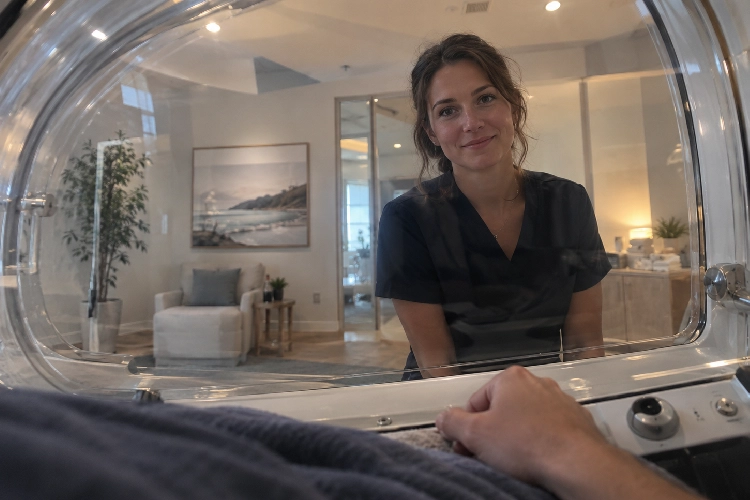
The Experience, Minute by Minute
Knowing exactly what will happen and when takes away the fear of the unknown. Here is the realistic timeline of an HBOT session:
Stage
What Your Body Experiences
What You Can Do
Duration
1. Pressurizing
• Ears feel full (similar to an airplane landing)<br>• Gentle air warming (~3–5°F)<br>• Steady, low hissing sound
• Swallow, yawn, or use the Valsalva maneuver.<br>• Clear your ears every 30 seconds (don’t wait for pain).<br>• Sip water if permitted.
~10–15 min
2. At Pressure
• Ear pressure normalizes completely.<br>• Chamber cools down and stays well-lit.<br>• The process feels static and quiet.
• Relax, nap, listen to a podcast, or watch a show.<br>• Practice slow, deep breathing.<br>• Nothing else is required from you.
~60–90 min
3. Depressurizing
• Ear-popping sensation in reverse.<br>• Slight cooling in ambient air temperature.
• Clear your ears as needed.<br>• Breathe normally through your nose (do not hold your breath).
~10–15 min
Expectation Reset: It’s Nothing Like an MRI
If you've had a traumatic or stressful experience with an MRI scanner, don't worry: a hyperbaric chamber is completely different.
- MRI Scanners: Extremely loud, physically restrictive, tunnel-like, and pitch-black/blind to the outside room.
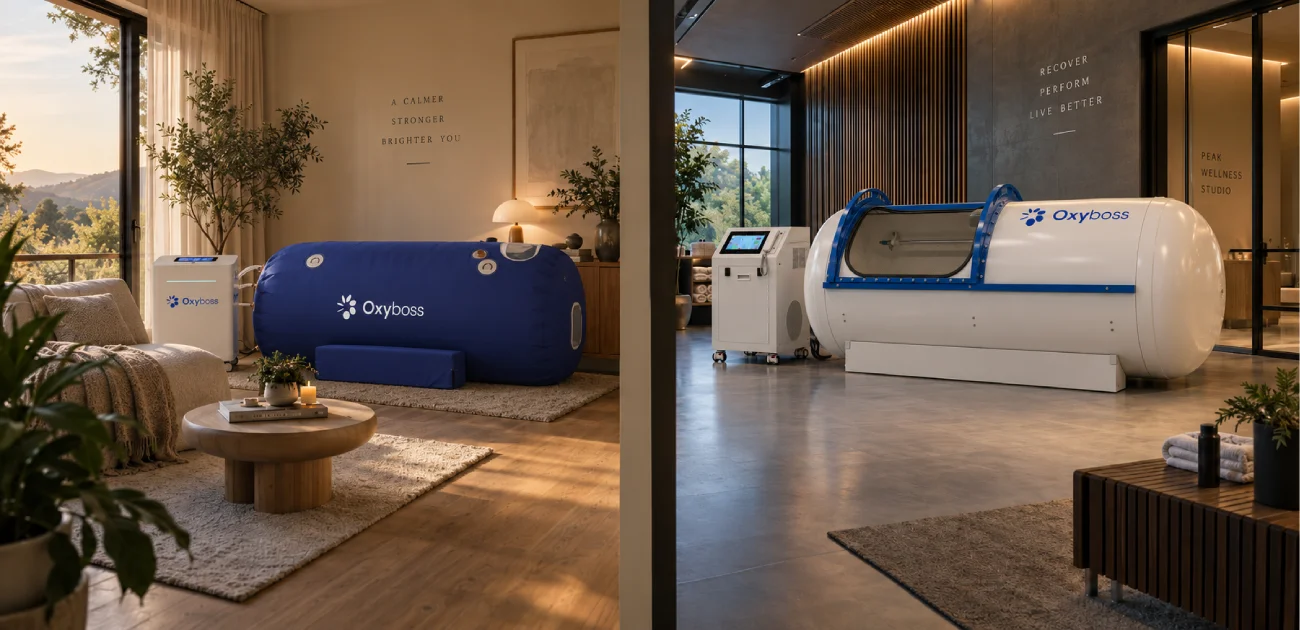
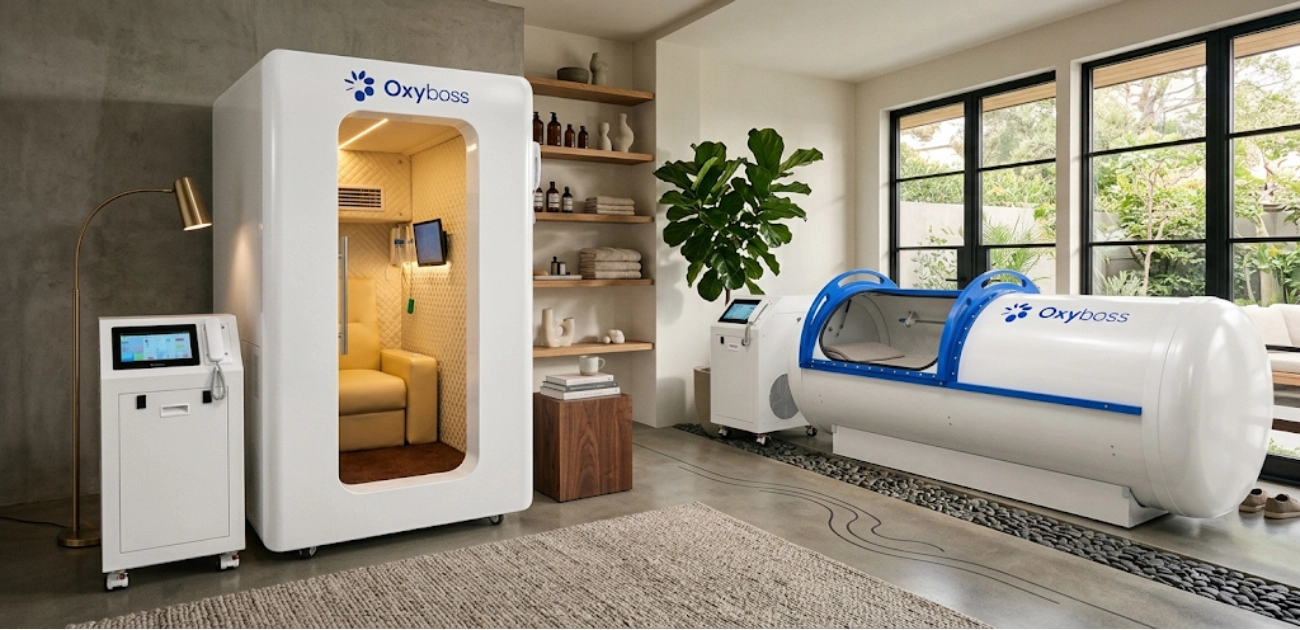
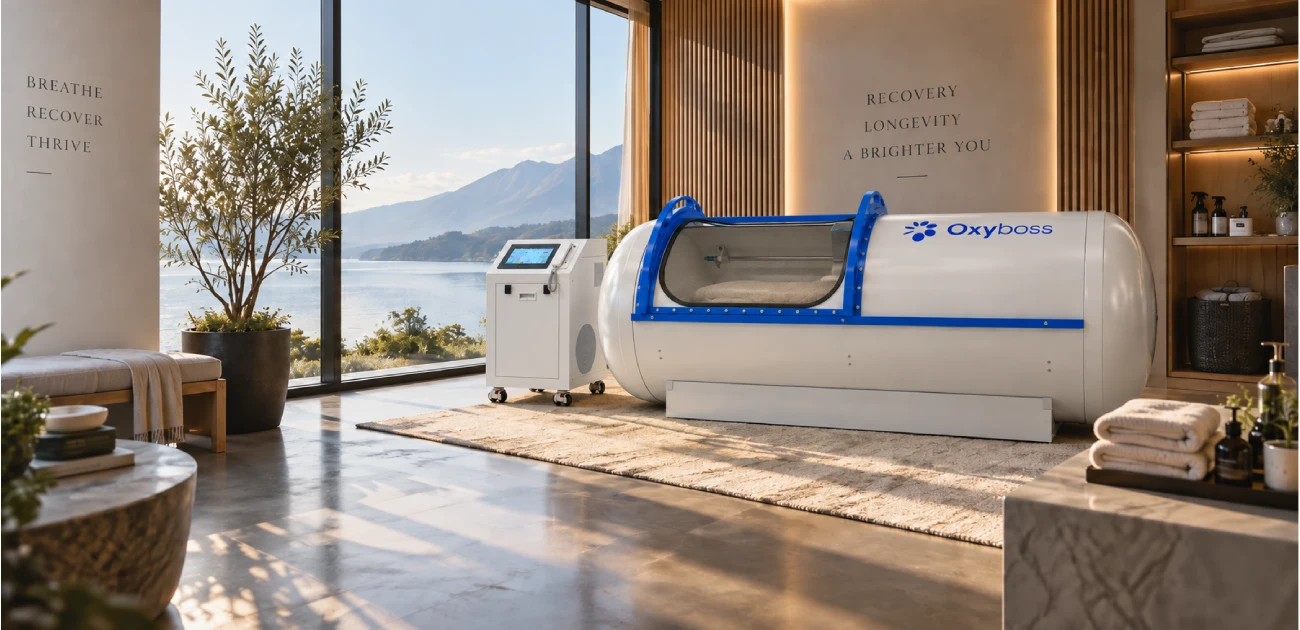
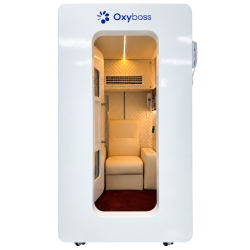
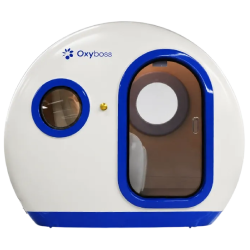
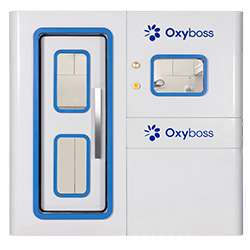
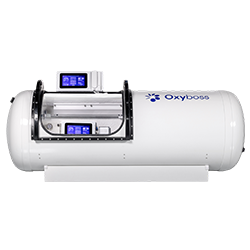
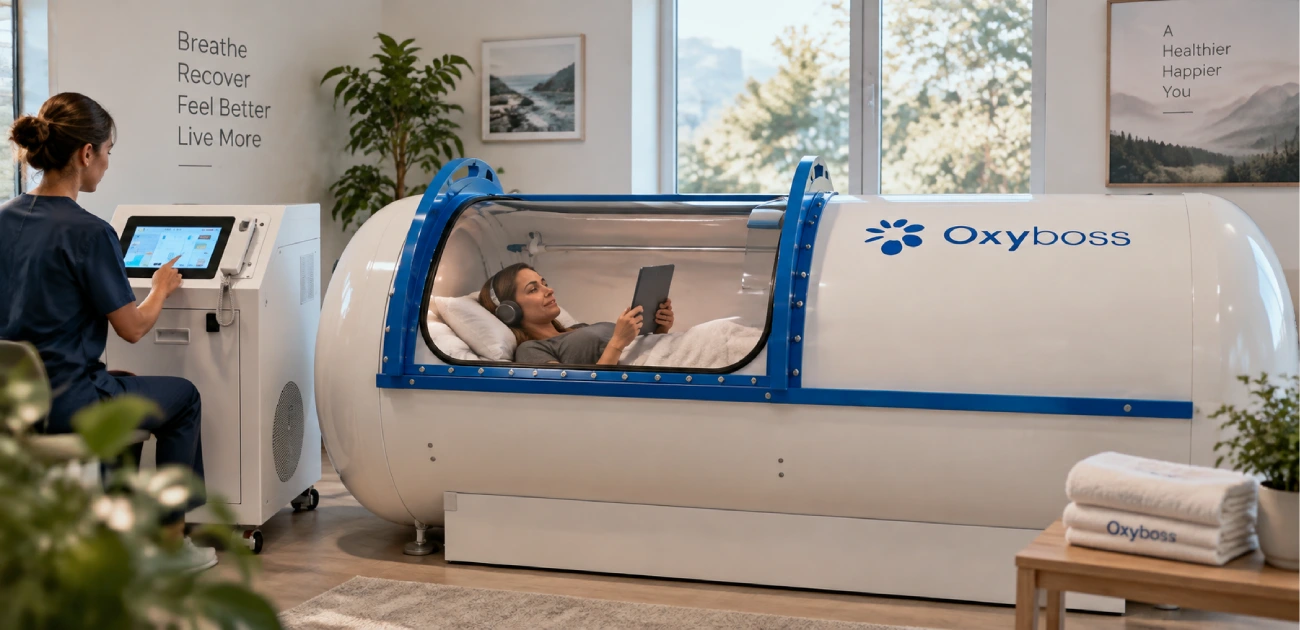
- Hyperbaric Chambers: Much quieter, brightly lit, and built with large clear acrylic windows or entire transparent hulls that allow you to see outside and maintain eye contact with the operator throughout the session.

Managing Ear Pressure: The #1 Common Complaint
Ear pressure is the most frequent physical complaint, and anxious first-timers often mistake it for a sign that something is "going wrong." It isn't. It is simply your middle ear equalizing to ambient pressure, identical to flying or scuba diving.
- How to fix it: Use the Valsalva maneuver—gently pinch your nostrils shut and exhale softly through your nose until your ears pop.
- Important rule: Never push through ear pain. If your ears hurt and won’t clear, signal the operator immediately. They will pause or slightly reduce pressure until your ears adjust comfortably.
📚 Sources & Clinical References
- Cleveland Clinic: Hyperbaric Oxygen Therapy: Procedure & Side Effects (my.clevelandclinic.org)
- University of Maryland Shock Trauma Center: Undersea & Hyperbaric Medicine Guidelines (umms.org)
- National Center for Biotechnology Information (NCBI): Hyperbaric Therapy Contraindications and Complications, StatPearls (ncbi.nlm.nih.gov)